- Physics Lab Equipment
- Chemistry Lab Equipment
- Biology Lab Equipment
- Anatomical Lab Equipment
- Learning
- Educational Lab Equipment
- Magnets
- Agriculture
- Astronomy
- Earth Science
- Geography Lab Equipment
- Safety Lab Coat
- Laboratory
- Meteorological
- Electricity & Magnetism
- Heat
- School Lab Equipment
- Lab Glassware
- Science Lab Equipment
- Tvet Lab Equipment
- Robotics Kits Supplier and Manufacturer for Schools India
- Math Lab Equipment Manufacturers and Exporters in Ambala
- STEM Kits Manufacturers and Supplier India
- Engineering Lab Equipment
- Hospital Lab Equipment
- Water, Sanitation & Hygiene Supplies
- Cold Chain, Solar & Communication Equipment
- Nutrition
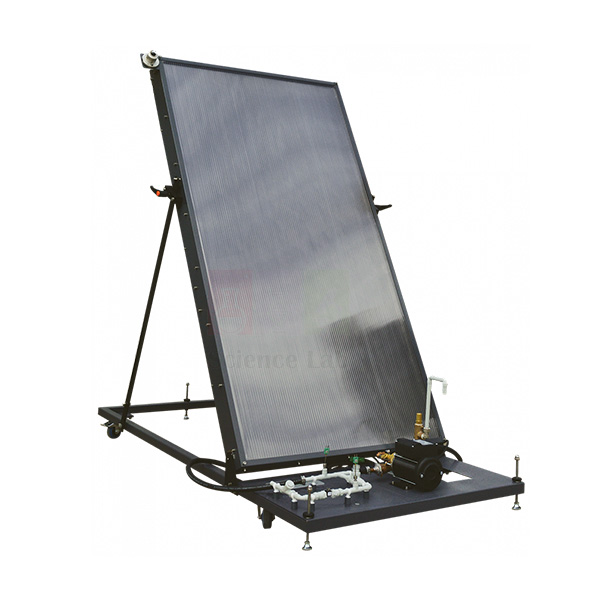
Flat Plate Solar Thermal Energy Collector
Flat Plate Solar Thermal Energy Collector (Product Code: SLE/ESA/06) is a water-heating solar collector on a hinged mobile frame, used to show how flat plate collectors work and to measure their efficiency and heat losses in engineering and energy laboratories. Cold mains water flows through a glazed, insulated absorber panel while a flow transducer and solarimeter record flow rate and incoming radiation. It is manufactured by Jain Scientific Equipments Pvt Ltd (ScienceLab), an OEM, at its own factory in Ambala, India.
Key Details
| Parameter | Detail |
|---|---|
| Principle | Flat plate solar energy collector heating cold mains water with sunlight |
| Collector construction | Purpose designed and built panel enclosed in a box with a clear cover |
| Absorber | Thin sheet metal absorber backed by riser tubes |
| Rear insulation | Insulating material to reduce heat loss to the rear |
| Water circuit | Cold mains water in; heated water returns to a pump that mixes it with incoming cold water |
| Outlet control | Pressure sensitive valve lets heated water leave at the same rate as cold water enters |
| Flow measurement | Flow transducer measures water flow rate |
| Radiation measurement | Solarimeter (or pyranometer) measures incident radiation |
| Frame | Sturdy mobile frame with a hinge to adjust the collector angle |
| Experiments | Efficiency and heat losses of a flat plate solar energy collector |
| Product code | SLE/ESA/06 |
| Manufacturer | Jain Scientific Equipments Pvt Ltd (ScienceLab) — OEM |
| Country of origin | India (made in Ambala, Haryana) |
What Is the Flat Plate Solar Collector Used For?
Flat plate collectors are the familiar rooftop solar water heaters, and this unit lets students study one under controlled conditions. Sunlight passing through the clear cover heats the sheet metal absorber, the riser tubes carry that heat into the water, and insulation behind the panel limits losses to the rear. The solarimeter shows how much energy arrives and the flow transducer how much water passes, forming the basis for working out efficiency and heat losses.
Adjusting the hinged frame changes the collector angle, so groups can compare performance at different tilts relative to the sun. The pump and pressure sensitive valve keep water moving steadily: heated water is mixed with incoming cold water, and water leaves the equipment at the same rate as it enters. Position the unit near a cold mains water supply and a drain before the practical begins.
What to Specify When Ordering
- The cold mains water supply and drain available where the collector will be used.
- The electrical supply available for the pump.
- How you plan to read and record the flow and radiation signals, so the readout arrangement can be confirmed.
- Number of units.
OEM Manufacturer
ScienceLab, the brand of Jain Scientific Equipments Private Limited, is the OEM (original equipment manufacturer) of the Flat Plate Solar Thermal Energy Collector and builds each unit at its own licensed factory in Saha, Ambala, Haryana, India. The company is registered as an MSME with manufacturing as its major activity (Udyam UDYAM-HR-01-0003714) and exports under DGFT Importer-Exporter Code AAECJ8618A.
As a science apparatus manufacturer in India selling factory-direct, ScienceLab quotes colleges, dealers and importers itself and answers spare-part questions directly — ask us. Read more on the ScienceLab profile.
Related Power & Energy Systems Trainers
Other equipment for solar and thermal energy practicals:
- Focusing Solar Energy Collector — a concentrating collector to compare with the flat plate design.
- Photovoltaic Cells — solar-to-electric conversion with charge control and storage.
- Digital Thermometer — for checking inlet and outlet water temperatures.
- Thermal Power Plant with Steam Engine Trainer — another heat-to-energy conversion trainer.
Browse more Power & Energy Systems Trainers, including solar and power systems equipment.
Frequently Asked Questions
How does the Flat Plate Solar Thermal Energy Collector work?
In the Flat Plate Solar Thermal Energy Collector (SLE/ESA/06), cold mains water enters the collector and is heated by sunlight falling on a thin sheet metal absorber backed by riser tubes. A box with a clear cover encloses the panel, and insulation reduces heat loss to the rear.
What can students measure with it?
The Flat Plate Solar Thermal Energy Collector lets students measure and find the efficiency and heat losses of a flat plate collector. A flow transducer measures the water flow rate and a solarimeter (or pyranometer) measures incident solar radiation.
Can the collector angle be adjusted?
Yes. The Flat Plate Solar Thermal Energy Collector sits on a sturdy mobile frame with a hinge, so users can adjust the collector angle relative to the sun and compare results at different tilts.
How is the water flow managed?
Heated water from the Flat Plate Solar Thermal Energy Collector returns to a pump that mixes it with incoming cold water, and a pressure sensitive valve lets heated water leave the equipment at the same rate as cold water enters it.
What services does the Flat Plate Solar Thermal Energy Collector need?
It is fed with cold mains water, so it needs a water supply and a drain nearby. Electrical supply details for the pump are not listed on this page; confirm them with ScienceLab through our contact page.
Who manufactures the Flat Plate Solar Thermal Energy Collector?
Jain Scientific Equipments Pvt Ltd (ScienceLab) manufactures the Flat Plate Solar Thermal Energy Collector as the OEM at its own licensed factory in Saha, Ambala, Haryana, India, supplying institutions and dealers in India and international markets.
Request a Quote
For a quotation on the Flat Plate Solar Thermal Energy Collector (SLE/ESA/06), contact us through the contact page or add it to the enquiry cart. The manufacturer replies directly with pricing and supply details.
Last updated: 24 September 2026
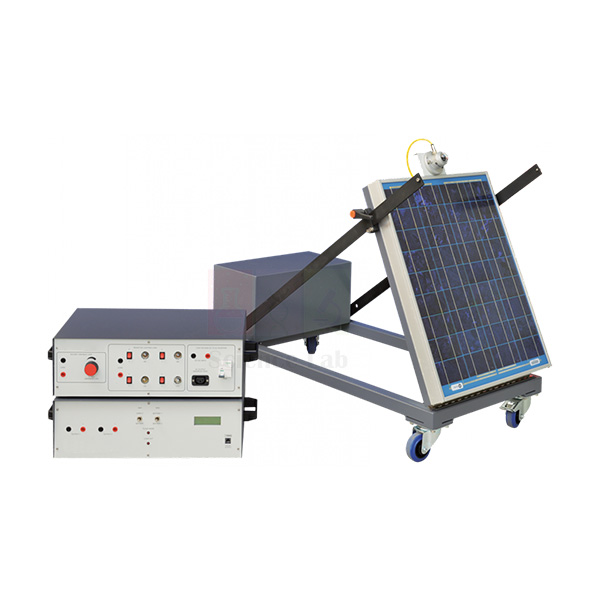
Photovoltaic Cells
Photovoltaic Cells (Product Code: SLE/ESA/07) is a solar photovoltaic trainer used to study how a solar panel, charge controller, battery storage and loads work together as one system in engineering and renewable energy labs. More advanced than a typical solar energy science kit, it lets students examine a full charge and discharge cycle within a single laboratory session. It is made by Jain Scientific Equipments Pvt Ltd (ScienceLab), an OEM manufacturer, at its own factory in Ambala, India, around a commercially available solar panel.
Key Details
| Parameter | Detail |
|---|---|
| Solar panel | Commercially available panel made from high efficiency cells |
| Panel frame | Wheeled, lightweight frame allowing adjustment of panel angle relative to the sun |
| Radiation measurement | Solarimeter on the frame measures incident radiation |
| Main battery | Deep cycling battery held in a storage box on the frame |
| Second battery | Lower rated battery; the panel recharges a choice of the two batteries |
| Control module | Contains the charge controller; digital displays show panel and battery storage performance |
| Charge controller | Recharges the battery at the correct rate of charge without damage; indicators for float mode and load cut mode |
| Separate loading unit | Variable resistive load, inverter for conversion to AC voltages, and four switchable lamps |
| Product code | SLE/ESA/07 |
| Manufacturer | Jain Scientific Equipments Pvt Ltd (ScienceLab) — OEM |
| Country of origin | India (made in Ambala, Haryana) |
What Is the Photovoltaic Cells Trainer Used For?
Students use this trainer to follow energy from sunlight to a working load. With the panel angled towards the sun and the solarimeter recording incident radiation, they watch the control module’s digital displays as the charge controller feeds the selected battery, and note when the indicator shows float mode.
The separate loading unit completes the picture. Its variable resistive load draws the battery down at a controlled rate to show battery performance, the inverter demonstrates practical conversion to AC, and the four switchable lamps represent a real lighting application. Continued discharge brings on load cut mode, showing how a charge controller disconnects loads to protect the battery; repeating the cycle on the lower rated second battery lets groups compare the two.
What to Specify When Ordering
- Number of trainers required.
- Confirmation of the scope of supply in your quotation: panel frame, control module, both batteries and the loading unit.
- Delivery destination — mention export early, because batteries can affect shipping arrangements.
OEM Manufacturer
Jain Scientific Equipments Private Limited, trading as ScienceLab, is the OEM (original equipment manufacturer) of the Photovoltaic Cells trainer. It is assembled at the company’s own licensed factory in Saha, Ambala, Haryana, India, around a commercially available solar panel, and supplied factory-direct to engineering colleges, polytechnics, renewable energy training centres, dealers and importers.
Because you deal directly with the manufacturer, questions about batteries, lamps or other replacement parts come straight to us — just ask. Background on the company is on the ScienceLab profile page.
Related Power & Energy Systems Trainers
Round out a solar energy laboratory with these items:
- Flat Plate Solar Thermal Energy Collector — solar water heating, efficiency and heat loss.
- Focusing Solar Energy Collector — concentrating solar thermal collection.
- Mounted Solar Cell — single-cell experiments for introductory classes.
- Digital Multimeter — independent panel and battery voltage checks.
All renewable and power systems equipment is listed under Power & Energy Systems Trainers.
Frequently Asked Questions
What does the Photovoltaic Cells trainer include?
The Photovoltaic Cells trainer (SLE/ESA/07) includes a commercially available solar panel on a wheeled frame, a solarimeter, a deep cycling battery in a storage box, a second lower rated battery, a control module with charge controller and digital displays, and a separate loading unit.
What is in the Photovoltaic Cells loading unit?
The separate loading unit of the Photovoltaic Cells trainer contains a variable resistive load to show battery performance, an inverter to show practical conversion to AC voltages, and four switchable lamps to show a practical application.
What do the float mode and load cut mode indicators show?
Indicators on the Photovoltaic Cells control module show when the charge controller is in float mode or load cut mode. The charge controller recharges the battery at the correct rate of charge without damage, and students can see each stage.
Can the solar panel angle be adjusted?
Yes. The solar panel of the Photovoltaic Cells trainer is mounted on a wheeled, lightweight frame that allows adjustment of the panel angle relative to the sun, and a solarimeter on the frame measures incident radiation.
Who manufactures the Photovoltaic Cells trainer?
Jain Scientific Equipments Pvt Ltd (ScienceLab), the OEM, builds the Photovoltaic Cells trainer at its own licensed factory in Saha, Ambala, Haryana, India. The solar panel itself is a commercially available panel made from high efficiency cells.
What does a quotation need?
For a Photovoltaic Cells quotation, give ScienceLab the quantity and the delivery destination in India or international markets through our contact page. Mention export early, because the batteries supplied with the trainer can affect shipping arrangements.
Request a Quote
Send your Photovoltaic Cells (SLE/ESA/07) enquiry via the contact page or add it to the enquiry cart. Quotations come directly from the manufacturer, ScienceLab, Ambala.
Last updated: 24 September 2026
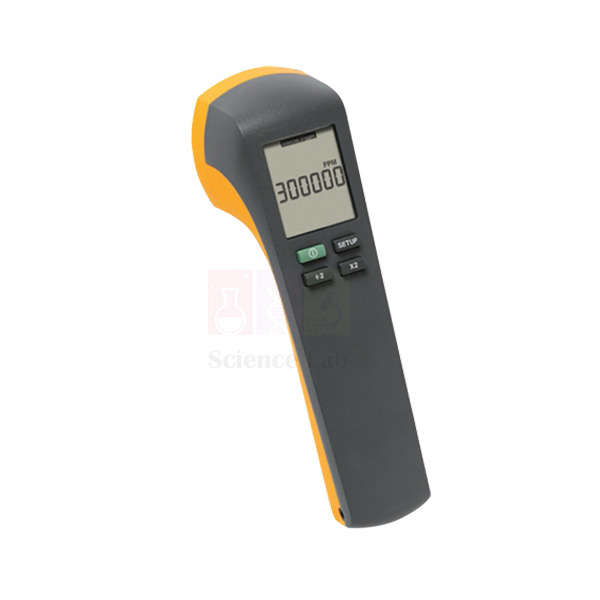
Stroboscope
Stroboscope (Product Code: SLE/EPS/14) is a portable digital LED stroboscope used for speed measurement and motion studies in engineering, physics and general laboratories. Its white LED flash runs from an internal oscillator over two frequency ranges or from an external trigger, and it doubles as a strobe tachometer that can “stop” a shaft down to 30 RPM. It is supplied by Jain Scientific Equipments Pvt Ltd (ScienceLab), Ambala, India, as part of its digital measuring instruments range.
Specifications
| Parameter | Detail |
|---|---|
| Type | Portable digital stroboscope for general laboratory use |
| Light source | High efficiency LED solid-state light source on the front; white light flash |
| Controls and display | Rear panel with the stroboscope controls and a liquid crystal display |
| Operating modes | Two: internal oscillator and external trigger |
| Internal oscillator | Continuous flash over two frequency ranges |
| External trigger | Another frequency generating device controls the flash rate |
| Tachometer use | Works as a strobe tachometer to measure speed instead of a laser tachometer |
| Lowest “stop” speed | Can “stop” a shaft down to 30 RPM (FPM) |
| Product code | SLE/EPS/14 |
| Supplied by | Jain Scientific Equipments Pvt Ltd (ScienceLab), Ambala, India |
What Is the Stroboscope Used For?
A stroboscope makes a moving part appear frozen: when the flash rate matches the rotation, the shaft is lit in the same position every time. Students use it to read the speed of motors, fans and machine shafts without touching them, and to watch vibrating or rotating parts in apparent slow motion during motion studies.
For speed measurement, run the internal oscillator in the suitable frequency range and adjust until the target appears stationary, then read the flash rate on the rear-panel display. Because a shaft can also look still at whole-number fractions of its true speed, start high and come down to the first stationary image to avoid a false reading. In external trigger mode, another frequency-generating device sets the flash rate, which helps synchronise the flash with other experiments.
Supplier
ScienceLab, the trading name of Jain Scientific Equipments Private Limited in Ambala, Haryana, India, supplies this Stroboscope to engineering colleges, physics departments, schools and training institutes as part of its test and measurement instruments in India and international markets.
For the exact frequency ranges, power arrangement and accessories of the unit you are quoted, ask us before ordering. Company details are on the ScienceLab profile.
Related Power & Energy Systems Trainers
Items to use with, or instead of, the Stroboscope:
- Xenon Stroboscope — an alternative stroboscope with a xenon flash source.
- Demonstration Motor AC/DC — a rotating shaft for practising strobe speed measurement.
- Electric Motor — a simple motor for motion and speed studies.
- Power System Simulator Generator — a motor-generator set whose running speed can be checked.
More equipment is available in Power & Energy Systems Trainers.
Frequently Asked Questions
What is the Stroboscope used for?
The Stroboscope (SLE/EPS/14) is a portable digital stroboscope for general laboratory use, such as speed measurement and motion studies. Its white LED flash makes rotating or vibrating parts appear stationary so they can be observed or their speed measured.
What operating modes does the Stroboscope have?
The Stroboscope has two modes of operation: internal oscillator and external trigger. The internal oscillator produces a continuous flash over two frequency ranges, while external trigger lets another frequency-generating device control the flash rate.
Can the Stroboscope be used as a tachometer?
Yes. The Stroboscope can be used as a strobe tachometer to measure speed instead of a laser tachometer, and it can “stop” a shaft down to 30 RPM (FPM). No contact with the rotating part is needed.
What light source and display does it use?
The Stroboscope emits a white light flash from a high efficiency LED solid-state light source on the front of the unit. The controls and a liquid crystal display are on the rear panel, so the operator reads settings while aiming the flash.
What are the two frequency ranges?
The exact limits of the Stroboscope’s two internal frequency ranges are not listed on this page. Ask ScienceLab through our contact page for the ranges of the unit you are quoted before placing an order.
Is a calibration certificate available?
Calibration-certificate availability for the Stroboscope should be discussed with ScienceLab before ordering, particularly if it will be used as a strobe tachometer for recorded speed measurements. Raise it through the contact page along with your quantity.
Who supplies the Stroboscope?
The Stroboscope is supplied by Jain Scientific Equipments Pvt Ltd (ScienceLab), Ambala, Haryana, India, to schools, colleges, training institutes and dealers in India and international markets, with quotations issued on request.
Request a Quote
Enquire about the Stroboscope (SLE/EPS/14) through the contact page or add it to the enquiry cart, stating the quantity you need.
Last updated: 24 September 2026
835.jpg)
Engine management system (MPI)
Engine management system (MPI) (Product Code: SLE/ATE/28) is a mobile training stand used to teach the operation, measurement and fault diagnosis of a gasoline multipoint injection engine management system in automotive technician labs. Trainees can simulate 15 system errors by pulling plugs, read and clear codes through a 16-pin diagnostic socket, and watch fuel flow and spark plugs at work. The stand and its fault-simulation system are built by Jain Scientific Equipments Pvt Ltd (ScienceLab), an OEM and technical educational equipment manufacturer, at its own factory in Ambala, India; the MPI engine management system installed on it is a sourced production unit, not made in Ambala.
Specifications
| Parameter | Detail |
|---|---|
| Purpose | Practical and laboratory training/testing of a gasoline MPI engine management system |
| System | Gasoline injector engine management system with multipoint petrol injection, installed in the upper part of the stand |
| Stand | Mobile, on four wheels; closed structure with internal wiring not visible |
| Size | 1860 × 1450 × 700 mm |
| Power | Network power supply (220/12V) and a 12V battery |
| Fuel system monitoring | Amount of injected fuel, fuel supply system and fuel pump pressure; fuel pump and distribution system built so the fuel flow distribution can be seen |
| Engine speed | Adjustable crankshaft rotation speed |
| Air intake | Adjustable air flow in the intake manifold for demonstrating the air mass flow and air temperature sensors |
| Mixture control | Air/fuel mixture can be altered with an O2 sensor signal simulator |
| Ignition | Ignition system and spark plugs mounted for visual monitoring; high voltage circuit measurements possible; flame intensity measured by adjusting the ignition gap |
| Operation check | Injector and spark operation checked in the plug sequence 1, 3, 4, 2, with inspection of each sensor |
| Electrical measurement | Built-in voltmeter; principal electrical circuit diagram of the MPI system with built-in measurement connectors; electrical parameters of any component measurable; waveforms checked against RPM |
| Fault simulation | 15 system errors simulated by disconnecting plugs from connectors |
| Diagnostics | Control unit diagnostics via 16-pin diagnostic socket; reading and deletion of detected errors; system parameter control; control unit coding/configuration |
| Included with the stand | Exam/practical work simulation terminal (able to simulate not less than 10 different system errors), automobile oscilloscope, diagnostics equipment |
| Engine / assembly | Sourced production unit (as listed) |
| Product code | SLE/ATE/28 |
| Manufacturer | Jain Scientific Equipments Pvt Ltd (ScienceLab) — OEM |
| Country of origin | India (trainer built in Ambala, Haryana) |
What Is the MPI Engine Management Training Stand Used For?
A typical lab session starts with the system running normally: students vary crankshaft speed and intake air flow, watch the fuel distribution and spark plugs, and capture injector and ignition waveforms on the automobile oscilloscope to see how they change with RPM. The instructor then uses the O2 sensor signal simulator to push the mixture rich or lean, so learners see how the engine management system responds to sensor input and why oxygen sensor faults affect fuelling.
Fault-finding practice follows. Plugs are pulled to create any of the 15 built-in errors, and trainees work only from the circuit diagram, measurement connectors and diagnostics equipment — since the internal wiring is hidden, they must diagnose by measurement rather than by tracing wires, as on a real vehicle. Codes are read and cleared through the 16-pin socket, and the exam terminal supports assessed practical tests, making the stand useful lab equipment for technical institutes preparing technicians for petrol injection service work.
OEM Manufacturer
ScienceLab is the trading name of Jain Scientific Equipments Private Limited, the OEM (original equipment manufacturer) of this MPI training stand. The mobile stand, with its circuit diagram, built-in measurement connectors and fault-simulation system, is built at the company's own licensed factory at Saha, Ambala, Haryana, India; the gasoline MPI engine management system installed in the upper part of the stand is a sourced production unit, not made in Ambala. The complete stand is supplied factory-direct to colleges, ITIs, dealers and importers, and details of the included oscilloscope and diagnostics equipment can be requested from us with the quotation. More about the company is on our company profile.
Related Automotive Training Equipment
Trainers and instruments that complement an engine management lab:
- Automotive Engine Fault Diagnosis Simulator Auto Fault — additional engine fault-finding practice for larger groups
- LPI Engine Fault Diagnosis Training Equipment Auto Fault — compares petrol MPI with an LPI fuel system
- CRDI (Common Rail Direct Injector) System — the diesel common-rail counterpart for comparing injection strategies
- Automotive Power Train Training Equipment DOHC Gasoline — a complete gasoline power train for mechanical context
- Digital Multimeter — extra hand-held meters so several students can measure at the connectors
More engine and diagnostic trainers are listed under Automotive Training Equipment.
Frequently Asked Questions
How many faults can the Engine management system (MPI) stand simulate?
The Engine management system (MPI) stand simulates 15 system errors when plugs are disconnected from its connectors. Its exam and practical work simulation terminal is specified to simulate not less than 10 different system errors for assessed tests.
What diagnostic tools come with the Engine management system (MPI)?
The Engine management system (MPI) training stand includes an exam/practical work simulation terminal, an automobile oscilloscope and diagnostics equipment. Their makes and models are not stated in the listing, so contact us if your tender specification names particular instruments.
Can students read and clear fault codes on the MPI stand?
Yes. The Engine management system (MPI) supports control unit diagnostics through a 16-pin diagnostic socket, including reading and deleting detected errors, system parameter control and control unit coding or configuration.
What power does the Engine management system (MPI) stand use?
The Engine management system (MPI) stand is equipped with a network power supply (220/12V) and a 12V battery, so it needs a standard mains socket close to where the mobile stand will be used during practicals.
Why is the wiring of the MPI stand hidden?
The Engine management system (MPI) stand has a closed structure so that trainees must diagnose faults by measuring at the connectors on the circuit diagram, as they would on a vehicle, instead of simply following visible wires.
Who manufactures the Engine management system (MPI) training stand?
Jain Scientific Equipments Pvt Ltd (ScienceLab) is the OEM manufacturer of the Engine management system (MPI) training stand and its fault-simulation system, built at the company's own licensed factory at Saha, Ambala, Haryana, India. The gasoline MPI engine management system mounted on the stand is a sourced production unit, not made in Ambala.
How much floor space does the MPI stand need?
The Engine management system (MPI) training stand measures 1860 × 1450 × 700 mm and moves on four wheels, so it can be rolled into position where a group of trainees can gather around the engine, ignition system and circuit diagram.
Request a Quote
Send your requirement for the Engine management system (MPI), SLE/ATE/28, through our contact page, or add it to the enquiry cart. Quotations for institutions in India and international markets come direct from the manufacturer.
Last updated: 24 September 2026
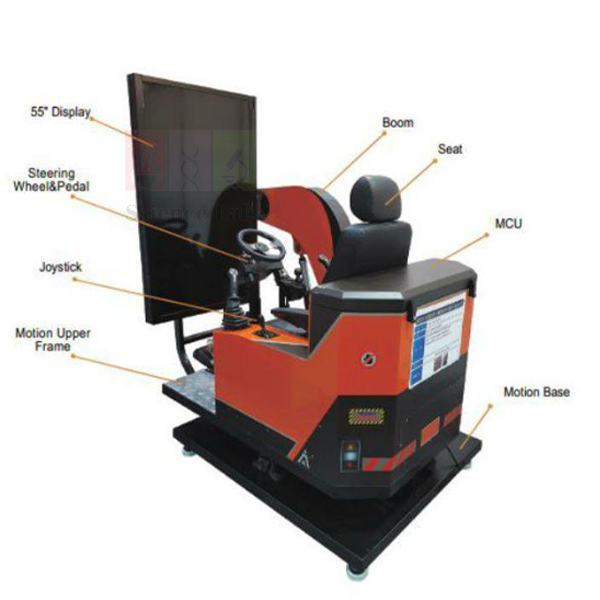
Excavator VR Simulator
Excavator VR Simulator (Product Code: SLE/ATE/29) is an orbital-type excavator operator simulator used to train drivers in driving and digging before they work on a real machine, in heavy equipment operator schools and vocational institutes. It combines 360-degree infinite rotation, 1-axis pitch motion and joystick levers of the kind used on real excavators with 55-inch Full HD displays. It is supplied by Jain Scientific Equipments Pvt Ltd (ScienceLab), Ambala, India, among its lab equipments for technical institutes.
Specifications
| Parameter | Detail |
|---|---|
| Simulator type | Orbital-type, endless-track excavator simulator |
| Rotation | 360 degree infinite rotation function |
| Motion | 1-axis motion (pitch), for functional test training |
| Running lever | Orbital type, 2-axis |
| Operator controls | Excavator joystick levers as used in real equipment |
| Display | 55-inch Full HD; horizontal type and vertical type both listed |
| Training content | Driving test and excavation test training in an actual test-site environment |
| Training video | For the functional exam (driving, digging) |
| Versions | Two simulators for excavator training are listed — confirm the configuration when enquiring |
| Product code | SLE/ATE/29 |
| Supplied by | Jain Scientific Equipments Pvt Ltd (ScienceLab), Ambala, India |
What Is the Excavator VR Simulator Used For?
New operators often struggle most with coordinating boom, arm, bucket and swing at the same time. On this simulator they learn that coordination on the same style of joystick levers they will later use, with the 360-degree orbital rotation reproducing continuous slewing of the upper structure and the pitch motion giving a sense of the machine tilting as it digs or travels. Mistakes cost nothing in fuel, wear or damage, so instructors can repeat an exercise until the movement becomes natural.
Courses usually progress from track driving to trenching and loading tasks, then to rehearsal of the functional exam using the driving and digging training video and the simulated test-site scenes. Short, focused sessions work best for beginners. For a vocational institute building a heavy-machinery wing, the simulator sits well alongside technical training equipment for operators and maintenance staff.
What to Specify When Ordering
- Which of the two listed excavator simulator versions suits your course (describe your training plan if unsure).
- Display type: 55-inch Full HD horizontal type or vertical type.
- Number of simulators needed for your trainee batch sizes.
- Whether the functional-exam training video (driving, digging) should be part of the quotation.
Supplier
ScienceLab is the trading name of Jain Scientific Equipments Private Limited, Ambala, Haryana, India, which supplies the Excavator VR Simulator to operator-training schools, construction skills centres and vocational institutes. For vendor registration in tenders, the supplying company’s GSTIN is 06AAECJ8618A1ZT and its Legal Entity Identifier (LEI) is 3358004HRD1JIVXKYX49. More about the company is on our company profile.
Related Automotive Training Equipment
Other heavy-machinery trainers that pair with operator simulation:
- Excavator Electric Circuit Training Simulator — teaches the electrical systems of the same machine type to maintenance trainees
- Wheel Loaders Electric Circuit Training Simulator — extends the programme to another common earth-moving machine
- Electric Forklift Electric Circuit Training Simulator — for material-handling equipment courses
- Heavy Duty Vehicles Differential Gear Model — shows heavy machinery driveline and planetary wheel gearing
All engine, driveline and machinery trainers are grouped under Automotive Training Equipment.
Frequently Asked Questions
Does the Excavator VR Simulator use a VR headset?
A headset is not listed for the Excavator VR Simulator; its specification describes 55-inch Full HD displays in horizontal and vertical types. Please contact us to confirm the viewing system before you order, so the quotation matches your training plan.
What motion does the Excavator VR Simulator provide?
The Excavator VR Simulator applies 1-axis motion (pitch) for functional test training, combined with an orbital design capable of 360-degree infinite rotation, so trainees experience tilting and continuous slewing as on an endless-track excavator.
Are the Excavator VR Simulator controls like a real excavator?
Yes. The Excavator VR Simulator uses excavator joystick levers of the type fitted to real equipment, together with a 2-axis orbital running lever, so the hand movements trainees practise carry over to a working machine.
What training content does the Excavator VR Simulator include?
The Excavator VR Simulator provides driving test and excavation test training in a simulated actual test-site environment, plus a training video for the functional exam covering driving and digging, which helps candidates rehearse the exam sequence.
Which Excavator VR Simulator version should we choose?
Two excavator simulators are listed for the Excavator VR Simulator, and its display is listed in 55-inch horizontal and vertical types. Tell us your course structure and trainee numbers, and we will suggest a configuration for the quotation.
Who supplies the Excavator VR Simulator?
Jain Scientific Equipments Pvt Ltd (ScienceLab), Ambala, India, supplies the Excavator VR Simulator (SLE/ATE/29) to training institutes in India and international markets. Quotations, delivery terms and configuration questions are handled directly by our team through the contact page.
What power supply and room size does the Excavator VR Simulator need?
Electrical and footprint requirements are not given in the current Excavator VR Simulator listing. Ask for them when you request a quotation, and our team will confirm them for the configuration you choose.
Request a Quote
To receive a quotation for the Excavator VR Simulator (SLE/ATE/29), write to us through the contact page or add it to your enquiry cart, mentioning the display type you prefer.
Last updated: 24 September 2026
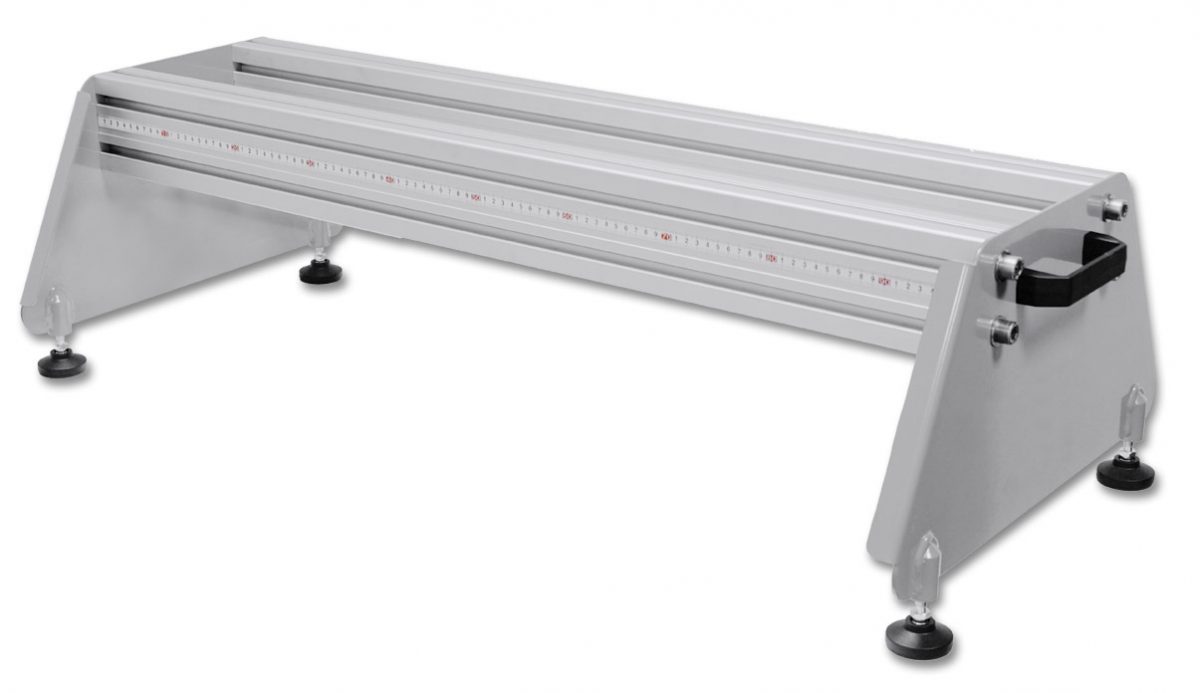
Structures Platform
The Structures Platform (Product Code: SLE/EG/01) is the common base on which the optional Structures experiment modules are assembled and tested. Built from precision slotted aluminium extrusions with steel end plates, it gives a rigid, stable frame for beam, frame, bridge and truss experiments, and its built-in USB interface hub carries sensor signals from each module to a computer. It is manufactured by Jain Scientific Equipments Pvt Ltd (ScienceLab), Ambala, for strength of materials and structural analysis laboratories that need engineering educational equipment in India.
Key Details
| Parameter | Detail |
|---|---|
| Type | Experiment platform for Structures modules (modules available separately) |
| Construction | Precision slotted aluminium extrusions with steel end plates; sturdy, rigid and stable |
| Levelling | Adjustable feet to level the platform before use |
| Positioning scales | Easy-to-read scales on each side, removing the need for a separate rule |
| Data interface | Plug-and-play USB interface hub included |
| Hub function | Converts signals from the sensors on each module to USB data for computer display and data acquisition |
| Ergonomics | Compact size and low centre of gravity; usable at a comfortable height sitting or standing |
Typical Use
A department usually buys the platform once and then adds modules as its syllabus grows: beams one term, frames or bridges the next. Before each practical, students level the platform with the adjustable feet, clamp the module's supports into the slotted extrusions and use the side scales to set spans and load positions accurately. Sensors on the module are plugged into the USB hub, so readings can be displayed and logged on a computer instead of being copied by hand, which frees lab time for discussion of the results.
Because the frame is compact and sits low, a small group can gather round it at a bench, and it is equally practical for instructor demonstrations. Keeping the extrusion slots clean and the feet correctly adjusted helps modules seat squarely every time. For TVET centres, polytechnics and university civil and mechanical departments, it offers a single, consistent base for a wide set of structures experiments.
Manufacturer
ScienceLab platforms and modules are produced by Jain Scientific Equipments Private Limited, a manufacturer located in Ambala, Haryana. To find out more about our background and product lines, visit the company profile.
Related Laboratory Equipment
Experiment modules in this range that connect to the platform's USB hub:
- Bending Moments In a Beam — a first-year starting point on shear and bending moment in a simple beam
- Curved Bars And Davits — deflection of curved members using precision indicators
- Simple Suspension Bridge — cable tension under point and distributed loads
- Deflection of Beams and Cantilevers — elastic deflection of beams of different metals and sections
- Euler Buckling of Struts — buckling loads of struts compared with Euler theory
All modules are listed in our General Products category of engineering lab equipment.
Frequently Asked Questions
Are any experiment modules included with the platform?
No. The platform supports the optional Structures modules, which are available separately, so you can choose the experiments you need.
What does the USB interface hub do?
It converts the sensor signals from each module into USB data, so results can be shown and recorded on a computer.
Is data acquisition software or a computer supplied?
Our current description does not list software or a computer with the platform. Please contact us to confirm what your supply will include.
Do I need a separate ruler to position parts?
No. Scales along each side of the platform are used to position supports and loads precisely.
What are the overall dimensions?
Dimensions are not stated in our current product text; ask us for the datasheet if you are planning bench space.
How is the warranty handled?
The warranty period is set out in each quotation. Any request for calibration documents for connected sensors should be discussed with us before ordering.
Can a platform and several modules be quoted together?
Yes. List the modules and quantities you want and we will quote the full set for delivery in India or international markets.
Request a Quote
Plan your structures lab by adding the platform and chosen modules to the enquiry cart, or send your list directly through our contact page.
Last updated: 24 September 2026
Electric Vehicle Energy Management Training Equipment
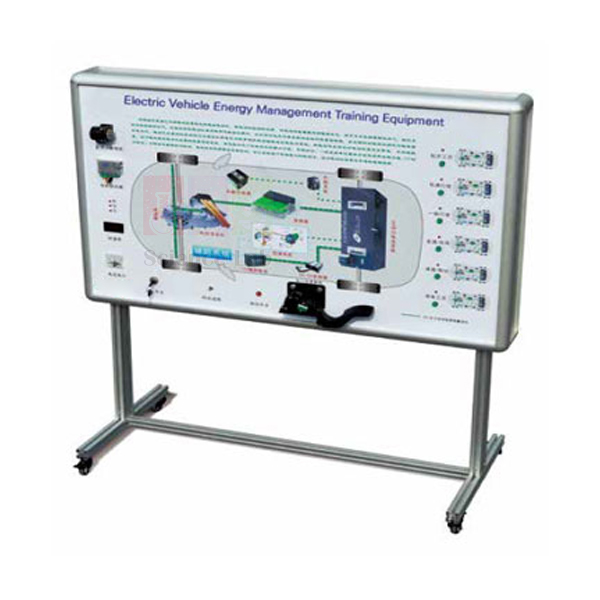
Electric Vehicle Energy Management Training Equipment (Product Code: SLE/ATE/30) is a panel trainer used to show how energy flows through an electric vehicle drive system in automobile engineering and EV technology classrooms. It simulates six conditions — start, low speed, general driving, full speed, slowing down and stop — with LED energy-flow paths and an analog motor, and runs from 220V AC with no battery to charge. Jain Scientific Equipments Pvt Ltd (ScienceLab), an OEM engineering lab equipment manufacturer, makes it at its own factory in Ambala, India.
Specifications
| Parameter | Detail |
|---|---|
| System | Electric vehicle energy management system |
| Simulated conditions | Six: start, low speed, general driving, full speed, slow down and stop |
| Panel controls and indicators | Ignition switch, operating condition switch, throttle pedal, gear switch, brake switch, digital tachometer, current indicator, etc. |
| Energy-flow display | Light-emitting diode system showing the dynamic direction of energy flow |
| Motor demonstration | Analog motor used to demonstrate the working status of the motor |
| Power supply | 220V AC input; internal transformer-rectifier circuit provides 12V DC; no battery required |
| Protection | Anti-short-circuit function on the 12V DC supply |
| Operating temperature | -40 °C to +50 °C |
| Size | 1,600 × 700 × 1,700 mm |
| Training content | Components of an electric vehicle energy management system and how they work |
| Product code | SLE/ATE/30 |
| Manufacturer | Jain Scientific Equipments Pvt Ltd (ScienceLab) — OEM |
| Country of origin | India (made in Ambala, Haryana) |
What Is the EV Energy Management Trainer Used For?
The instructor switches on the ignition, selects each condition in turn with the operating condition switch and uses the throttle pedal, gear switch and brake switch much as a driver would. As the trainer moves from start through low speed, general driving and full speed to slowing down and stop, the LED paths show which way energy is flowing while the analog motor, digital tachometer and current indicator show how hard the motor is working. Students quickly see that energy flow differs in each phase of a journey, which is the core idea of EV energy management.
A useful exercise is to have learners record tachometer and current readings for all six conditions in a table and then explain the differences. Because the panel runs from mains through an internal 12V DC supply with short-circuit protection and needs no battery, there is no charging downtime between classes — a practical advantage for engineering educational equipments in India that are shared across several batches in a day.
OEM Manufacturer
Jain Scientific Equipments Private Limited, trading as ScienceLab, is the OEM (original equipment manufacturer) of this EV energy management trainer. The panel, its switches and indicators, the LED energy-flow display and the internal 12V DC supply are assembled at the company’s own licensed factory at Saha, Ambala, Haryana, India. Colleges, skill centres, dealers and importers buy it factory-direct, and later questions about replacement parts go straight to the maker. See our company profile for more.
Related Automotive Training Equipment
Items that support an EV and electrical systems module:
- Electric Forklift Electric Circuit Training Simulator — applies electric drive concepts to a battery-powered industrial vehicle
- Demonstration, Electric Motor — revisits basic motor principles before students tackle vehicle systems
- Digital Multimeter — for general voltage and current measurement practice alongside the trainer
- Automotive Engine Fault Diagnosis Simulator Auto Fault — lets students contrast conventional engine management with the EV system
Explore more trainers in the Automotive Training Equipment category.
Frequently Asked Questions
Does the EV energy management trainer need a battery?
No. The Electric Vehicle Energy Management Training Equipment runs from a 220V AC supply, which an internal transformer-rectifier circuit converts to 12V DC, so there is no battery to charge or replace between classes.
Which driving conditions can the Electric Vehicle Energy Management Training Equipment simulate?
The Electric Vehicle Energy Management Training Equipment simulates six conditions: start, low speed, general driving, full speed, slow down and stop. Each shows its own energy flow direction on the LED display and its own motor running state.
Is the low-voltage supply of the EV trainer protected?
Yes. The 12V DC supply inside the Electric Vehicle Energy Management Training Equipment has an anti-short-circuit function, which protects the circuit when students operate the switches and pedal during practical sessions.
Does the EV trainer contain a full-size traction motor?
A full-size traction motor is not listed for the Electric Vehicle Energy Management Training Equipment; the panel demonstrates the working status of the motor with an analog motor. Contact us for details of the motor fitted before ordering.
How much space does the EV energy management trainer need?
The Electric Vehicle Energy Management Training Equipment measures 1,600 × 700 × 1,700 mm, so plan floor space for a free-standing panel that a group can gather around. Its listed operating temperature range is -40 °C to +50 °C.
Who manufactures the Electric Vehicle Energy Management Training Equipment?
Jain Scientific Equipments Pvt Ltd (ScienceLab) is the OEM manufacturer of the Electric Vehicle Energy Management Training Equipment (SLE/ATE/30). It is made at the company’s own licensed factory at Saha, Ambala, Haryana, India, and quoted directly by the manufacturer.
Can several EV trainers be ordered for a new lab?
Yes. ScienceLab quotes the Electric Vehicle Energy Management Training Equipment as single units or in multiples for new EV labs in India and international markets; include the quantity and delivery location in your enquiry.
Request a Quote
For pricing on the Electric Vehicle Energy Management Training Equipment (SLE/ATE/30), use our contact page or add it to the enquiry cart with your other EV lab items. Your quotation comes direct from the manufacturer.
Last updated: 24 September 2026
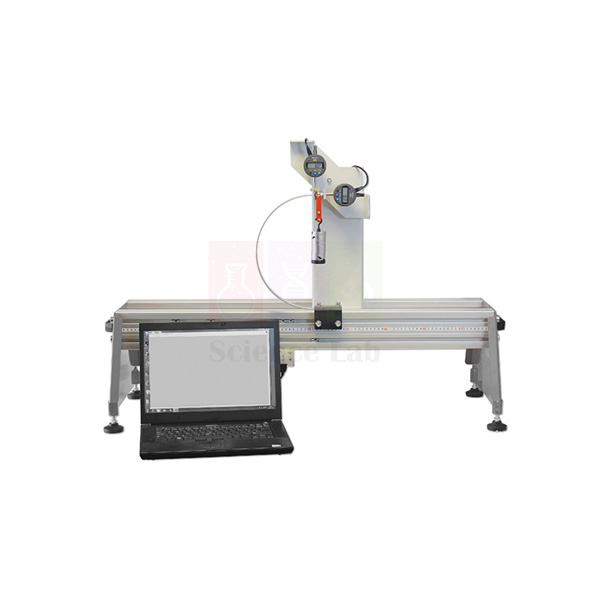
Curved Bars And Davits
Curved Bars And Davits (Product Code: SLE/EG/02) is a structures experiment that shows how curved members bend when used as simple load-carrying structures. Students clamp one of a choice of curved bars or davits to a fixing plate, load its free upper end and measure the vertical and horizontal deflection with two precision indicators, then check the results against elastic deflection theory. A Vernier caliper is included for measuring cross-sections. It is made by Jain Scientific Equipments Pvt Ltd (ScienceLab), Ambala, as part of its engineering lab equipment for strength of materials courses.
Key Details
| Parameter | Detail |
|---|---|
| Type | Curved bar and davit deflection experiment |
| Specimens | A choice of curved bars and two davits |
| Mounting | Lower end of the specimen fits to a fixing plate |
| Loading | Variable load applied at the upper end |
| Deflection measurement | Two precision indicators, for vertical and horizontal deflection |
| Indicator display | Each indicator has its own display; can also connect to the USB interface hub of the Structures Platform for computer display and data acquisition |
| Included measuring tool | Vernier caliper for measuring the cross-section of the bars and davits |
| Theory compared | Elastic deflection theory |
Typical Use
Students first measure the width and thickness of each specimen with the Vernier caliper so they can work out its second moment of area. They then fix a curved bar to the plate, zero both indicators and add load at the upper end in increments, noting how far the tip moves vertically and horizontally at each step. A curved member deflects in both directions under a purely vertical load, which surprises many students used to straight beams; plotting load against each deflection gives straight lines whose slopes can be checked against energy-method predictions from elastic theory.
The two davits are the highlight for many classes, because they resemble the arms used to lower lifeboats or lift loads over a ship's side and so connect the calculation to a recognisable structure. Swapping between curved bars and davits lets groups compare how shape changes stiffness. Readings can be taken straight from the indicator displays or logged on a computer via the Structures Platform hub, making this useful mechanics lab equipment for both diploma and degree practicals.
Manufacturer
Curved Bars And Davits is manufactured by Jain Scientific Equipments Private Limited, known to customers as ScienceLab, from its base in Ambala, Haryana. Visit our company profile for an overview of the company.
Related Laboratory Equipment
Items that pair well with this experiment in a structures lab:
- Structures Platform — provides the USB hub for logging both indicators on a computer
- Deflection of Beams and Cantilevers — straight-beam deflection results to contrast with curved members
- Frame Deflections And Reactions — moves from single members to deflection and sway of frames
- Euler Buckling of Struts — another slender-member experiment, this time under compression
More structures experiments are in our General Products range.
Frequently Asked Questions
Can the indicators be read without a computer?
Yes. Each deflection indicator has its own display; connecting to the Structures Platform hub is optional, for computer display and data logging.
Is the Structures Platform part of this item?
The platform is listed as a separate product. Please contact us if you would like both quoted together.
How many curved bars are supplied?
Our description confirms a choice of curved bars plus two davits, but not the exact number or sizes of bars; ask us for the packing list.
What is the maximum load and indicator resolution?
These figures are not given in our current text. We can send the detailed specification sheet on request.
Can calibration paperwork be provided for the indicators?
Talk to us about it when you enquire; availability depends on the order.
What warranty applies, and do you ship internationally?
Warranty terms are written into the quotation. We supply institutions throughout India and in international markets.
Request a Quote
Send your requirement for Curved Bars And Davits using our contact form, or add it to the enquiry cart together with the Structures Platform and any other modules.
Last updated: 24 September 2026