- Physics Lab Equipment
- Chemistry Lab Equipment
- Biology Lab Equipment
- Anatomical Lab Equipment
- Learning
- Educational Lab Equipment
- Magnets
- Agriculture
- Astronomy
- Earth Science
- Geography Lab Equipment
- Safety Lab Coat
- Laboratory
- Meteorological
- Electricity & Magnetism
- Heat
- School Lab Equipment
- Lab Glassware
- Science Lab Equipment
- Tvet Lab Equipment
- Robotics Kits Supplier and Manufacturer for Schools India
- Math Lab Equipment Manufacturers and Exporters in Ambala
- STEM Kits Manufacturers and Supplier India
- Engineering Lab Equipment
- Hospital Lab Equipment
- Water, Sanitation & Hygiene Supplies
- Cold Chain, Solar & Communication Equipment
- Nutrition
Magnets and magnetism teaching sets for schools, colleges and other teaching institutions make up this range, covering the shapes and materials students meet in lessons: bar, horseshoe, ring, ceramic and neodymium, plus kits and field viewers. Jain Scientific Equipments Pvt Ltd (ScienceLab), Ambala, India, manufactures and supplies this range, from a bar magnet for school use to a complete magnetism experiment kit for group work. A few magnetic classroom resources for early maths and chemistry are listed here too.
Magnets by Type
| Type | What It Covers | Example Products |
|---|---|---|
| Bar magnets | Poles, attraction and repulsion, field plotting | Economy Alnico Bar Magnets, Bar Magnets, Unpainted |
| Horseshoe magnets | Strong fields between close poles; magnet sets with keepers | Steel Horseshoe Magnet, Magnet Set of 4 |
| Ceramic and ring magnets | Floating-magnet demonstrations and field-line work | Magnets, Ring, Plastic-Covered Ceramic Magnets, Pair, Magnadur Magnets, Super Floating Magnets Set |
| Neodymium and strong magnets | High-strength magnets for demonstrations | Neodymium Magnets, Cylindrical Cow Magnet |
| Magnet kits and sets | Mixed magnets and materials for group investigations | Economy Magnet Kit, Magnet Set, Early Magnetism Kit, Magnetic Activity Kit |
| Field visualisation | Seeing and mapping magnetic field lines | Magnetic Field Demonstrator, Magnetic Field Tube, Magnet Probe, Wave Wires Magnet Station |
| Magnetic classroom resources | Magnetic wands, building sets, maths answer boards and model water molecules | Magnetic Wands, 3D Magnets Set, Magnetic Ten Frame Answer Boards, Magnetic Water Kit Class Set |
Featured Magnets
| Product | Product Code | Typical Use |
|---|---|---|
| Economy Alnico Bar Magnets | SLE/MG/01 | Painted bar magnet pairs with separator and keepers for pole experiments |
| Steel Horseshoe Magnet | SLE/MG/04 | Horseshoe magnets with keeper, in three lengths |
| Neodymium Magnets | SLE/MG/05 | Neodymium-iron-boron magnets for strong-field demonstrations |
| Magnets, Ring | SLE/MG/08 | Ceramic ring magnets for floating-magnet sets |
| Economy Magnet Kit | SLE/MG/03 | A starter set of horseshoe, bar and donut magnets with test materials |
| Magnetic Field Demonstrator | SLE/MG/19 | Viewing magnetic field lines without loose iron filings |
| Magnet Probe | SLE/MG/11 | Mapping magnetic fields in three dimensions |
| Early Magnetism Kit | SLE/MG/13 | Whole-class magnetism discovery for young learners |
OEM Manufacturing & Supply
Jain Scientific Equipments Private Limited, trading as ScienceLab, both manufactures and supplies this range. Bar and horseshoe magnets, the magnet sets and kits (Economy Magnet Kit, Magnet Set, Magnet Set of 4, Early Magnetism Kit, Magnetic Activity Kit and Magnetic Water Kit Class Set), the Magnetic Field Demonstrator, and the Magnetic Wands, Magnetic Wooden Blocks and Magnetic Ten Frame Answer Boards are made at its licensed factory at 449, HSIIDC Industrial Area, Saha, Ambala. Neodymium, cylindrical cow, ring, plastic-covered ceramic, Magnadur and super floating magnets, the Magnet Probe, Magnetic Field Tube and Wave Wires Magnet Station, and the 3D Magnets Set and Eco Magnetic Polydron Class Set are supplied. The company is registered as an MSME manufacturer (Udyam UDYAM-HR-01-0003714), and magnet sets for overseas buyers ship under Importer-Exporter Code AAECJ8618A. We supply classroom quantities, bulk orders for several schools, tender lots and export consignments.
Related Ranges
Magnets pair naturally with electromagnetism apparatus. The ranges below cover the electrical side of magnetism and other places magnets appear in our catalogue.
- Electricity & Magnetism: the hub for electricity and magnetism, including the Magnets Kit and a magnetism materials collection
- Electricity and Magnetism: electromagnets, induction and motor experiments
- Physics Lab Equipment: plotting compasses, magnetic needles and floating magnets
- Physics STEM Kits Manufacturer and Supplier Ambala: physics kits, including magnetism activities
- Primary: primary-level learning resources
Frequently Asked Questions
Which magnets does a basic school magnetism practical use?
Usually bar magnets and a horseshoe magnet for poles and field patterns, with a plotting compass and iron filings or a field demonstrator. For group work, a kit such as the Economy Magnet Kit gathers these in one set.
What is the difference between alnico, ceramic and neodymium magnets?
Alnico is a metal alloy magnet, often used for traditional bar and horseshoe shapes. Ceramic (ferrite) magnets are used for rings and donuts. Neodymium magnets, made of neodymium, iron and boron, are much stronger and need careful handling.
How should magnets be stored?
Keep bar magnets in pairs with keepers across the poles. The Economy Alnico Bar Magnets come with a separator and keepers, and the Steel Horseshoe Magnet includes a keeper.
Do you have magnets for primary classes?
Yes. The Early Magnetism Kit, Magnetic Wands, Magnetic Wooden Blocks and 3D Magnets Set suit younger learners.
Can you supply magnets in bulk or for export?
Yes. Send quantities and product codes for classroom, bulk, tender or export quotations.
Request a Quote or Catalogue
To price magnets or kits, send an enquiry or add items to your enquiry cart.
Last updated: 24 September 2026
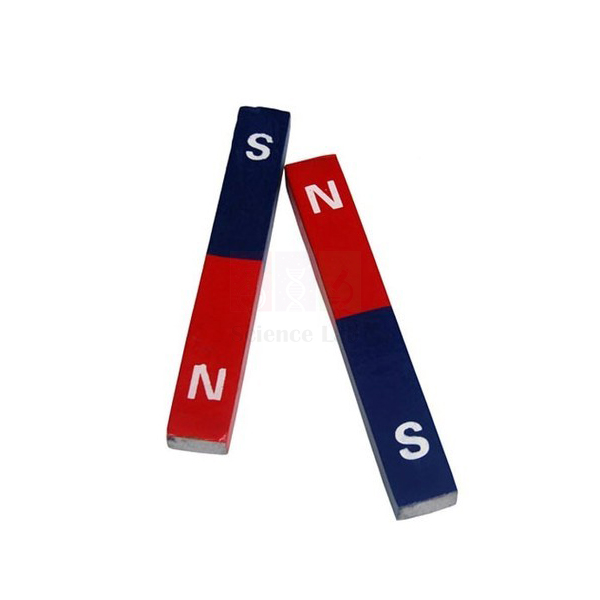
Economy Alnico Bar Magnets
Economy Alnico Bar Magnets (Product Code: SLE/MG/01) are painted alnico bar magnets, sold as a pair with a separator and keepers, used to teach magnetic poles, attraction, repulsion and field patterns in school physics labs. They come in two sizes, 2 x 1/2 x 1/4 inch and 3 x 1/2 x 1/4 inch, to suit different experiments. They are made by Jain Scientific Equipments Pvt Ltd (ScienceLab), an OEM manufacturer, at its own factory in Ambala, India, as a bar magnet for school use in India.
Specifications
| Parameter | Detail |
|---|---|
| Material | Alnico, painted |
| Supplied as | One pair of painted magnets with separator and keepers |
| Sizes available | 2 x 1/2 x 1/4 inch; 3 x 1/2 x 1/4 inch |
| Product code | SLE/MG/01 |
| Manufacturer | Jain Scientific Equipments Pvt Ltd (ScienceLab) — OEM |
| Country of origin | India (made in Ambala, Haryana) |
What Are Alnico Bar Magnets Used For?
Bar magnets are the starting point for magnetism practicals: finding north and south poles, showing that like poles repel and unlike poles attract, mapping field lines with a plotting compass or iron filings, and sorting magnetic from non-magnetic materials. Alnico, an alloy of aluminium, nickel and cobalt with iron, gives a strong field for its size but can lose strength if dropped or stored carelessly, which is why these magnets come with keepers.
After each lesson, store the pair side by side with opposite poles together, the separator between them and the keepers across the ends; this closes the magnetic circuit and helps the magnets hold their strength. Avoid knocking or dropping them. Together with a plotting compass, a pair forms the core of a simple magnetism experiment kit for Indian classrooms.
What to Specify When Ordering
- The size: 2 x 1/2 x 1/4 inch or 3 x 1/2 x 1/4 inch
- The number of pairs, for example one pair per student group
- Plotting compasses or other magnetism items to add to the order
OEM Manufacturer
Jain Scientific Equipments Private Limited, trading as ScienceLab, is the OEM manufacturer of these Economy Alnico Bar Magnets and produces them at its own licensed factory at Saha, Ambala, Haryana, India. Schools, education departments, dealers and importers buy direct from the maker, and a single quotation can cover both magnet sizes.
Repeat orders, extra keepers or a mix of sizes for different classes can be discussed with the manufacturer — just ask us. Our company profile has more about the business.
Related Magnets
Products that complete a magnetism lesson with these bar magnets:
- Bar Magnets, Unpainted — unpainted alternative for the same experiments.
- Steel Horseshoe Magnet — for comparing field shapes with a bar magnet.
- Compass Plotting (Clear) — traces field lines around the magnet.
- Magnetic Field Demonstrator — shows field patterns to the whole class.
- Economy Magnet Kit — a broader set for magnetism lessons.
View the full Magnets category for more teaching magnets.
Frequently Asked Questions
What sizes are the Economy Alnico Bar Magnets available in?
The Economy Alnico Bar Magnets (SLE/MG/01) are available in 2 sizes: 2 x 1/2 x 1/4 inch and 3 x 1/2 x 1/4 inch. State the size and the number of pairs you need when you request a quotation.
What is included in each order unit?
Each unit of Economy Alnico Bar Magnets is one pair of painted magnets supplied with a separator and keepers. The separator keeps the magnets apart in storage, and the keepers close the magnetic circuit across their ends.
What are keepers and why do they matter?
Keepers are placed across the poles of the Economy Alnico Bar Magnets when they are stored. They complete the magnetic path between the paired magnets, which helps alnico magnets keep their strength between lessons, so always replace them after use.
Which experiments are these bar magnets used for?
The Economy Alnico Bar Magnets suit school magnetism practicals: locating north and south poles, showing attraction and repulsion, testing magnetic and non-magnetic materials, and plotting field lines with a plotting compass or iron filings.
Who manufactures the Economy Alnico Bar Magnets?
Jain Scientific Equipments Pvt Ltd (ScienceLab) is the OEM manufacturer of the Economy Alnico Bar Magnets SLE/MG/01, making them at its own licensed factory at Saha, Ambala, Haryana, India, and supplying schools, dealers and importers directly.
Can you supply bar magnets in class sets or for export?
Yes, the Economy Alnico Bar Magnets are quoted in class-set and bulk quantities for schools, tenders and dealers, and for export to international markets. Send the size, number of pairs and delivery location via our contact page.
Request a Quote
Quotations come direct from the manufacturer. Contact us through the contact page or add the Economy Alnico Bar Magnets to the enquiry cart with the size and quantity you need.
Last updated: 24 September 2026
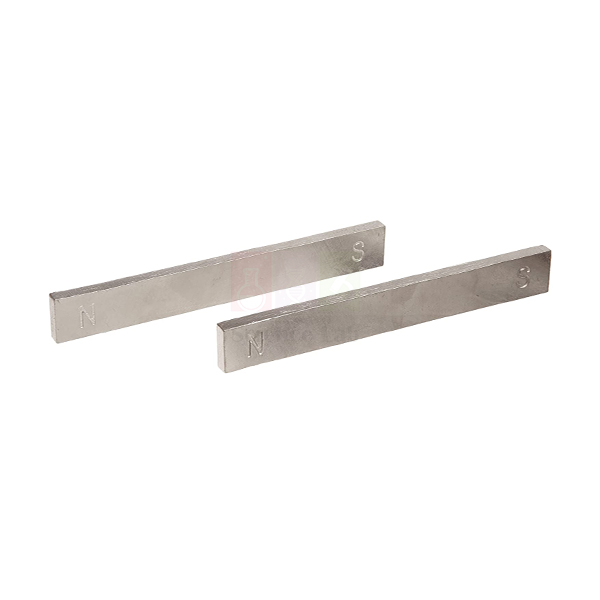
Bar Magnets, Unpainted
Bar Magnets, Unpainted (Product Code: SLE/MG/02) are plain-finish bar magnets used to show magnetic lines of force and pole behaviour in school physics practicals. They are sized for use with the Magnetic Field Demonstrator, and their poles are stamped rather than colour-coded, so north and south stay identifiable. They are made by Jain Scientific Equipments Pvt Ltd (ScienceLab), an OEM manufacturer, at its own factory in Ambala, India, and sold in pairs as a bar magnet for school labs in India.
Key Details
| Parameter | Detail |
|---|---|
| Finish | Unpainted |
| Pole marking | Poles stamped for easy identification |
| Sold as | Pairs |
| Sizes | Available in 2 sizes (ask us for the dimensions of each) |
| Intended use | Showing magnetic lines of force with the ScienceLab Magnetic Field Demonstrator |
| Product code | SLE/MG/02 |
| Manufacturer | Jain Scientific Equipments Pvt Ltd (ScienceLab) — OEM |
| Country of origin | India (made in Ambala, Haryana) |
What Are Unpainted Bar Magnets Used For?
The main job of these magnets is making field lines visible. Placed under or beside the Magnetic Field Demonstrator, a single magnet shows the looping pattern from pole to pole, while two magnets laid end to end show how the lines bunch together between unlike poles and push apart between like poles. The same pair also covers the usual CBSE-style practicals: locating poles, testing which materials are attracted, and tracing field lines with a plotting compass.
Because the poles are stamped into the magnet, the markings do not wear away the way painted ends can after years of handling, which suits labs where the same magnets are passed between many classes. Store each pair side by side with opposite poles together, keep them away from phones and cards, and avoid dropping them.
What to Specify When Ordering
- Which of the 2 sizes you need, or both
- The number of pairs, for example one pair per student group
- Whether the Magnetic Field Demonstrator or plotting compasses should be quoted with the magnets
OEM Manufacturer
These unpainted bar magnets come from Jain Scientific Equipments Private Limited, which trades as ScienceLab and is the original equipment manufacturer of the item. Production is at the company's own licensed factory at Saha, Ambala, Haryana, India, so schools, colleges, dealers and importers deal with the maker rather than a trading intermediary.
Buyers completing vendor registration can use the company's GSTIN 06AAECJ8618A1ZT and LEI 3358004HRD1JIVXKYX49. Replacement pairs for a lab that already uses these magnets can be requested from the same source; ask us. More about the business is on our company profile.
Related Magnets
Items used alongside these bar magnets in field-line lessons:
- Magnetic Field Demonstrator — the viewer these magnets are sized for.
- Economy Alnico Bar Magnets — painted alnico pairs with keepers, if colour-coded poles are preferred.
- Compass Plotting (Clear) — for tracing field lines point by point.
- Magnetic Field Tube — another way to show the field in three dimensions.
Browse the Magnets category for the full range of teaching magnets.
Frequently Asked Questions
How are the poles marked on the Bar Magnets, Unpainted?
The poles on the Bar Magnets, Unpainted (SLE/MG/02) are stamped into the magnet for easy identification. Stamped marks do not rely on paint, so students can still tell north from south after the magnets have been handled for many lessons.
What sizes do the unpainted bar magnets come in?
The Bar Magnets, Unpainted are available in 2 sizes. Dimensions for each size are not listed on this page, so please ask through our contact page and we will confirm them with your quotation.
Are the unpainted bar magnets sold singly or in pairs?
The Bar Magnets, Unpainted are sold in pairs. A pair lets students compare like and unlike poles side by side, so most labs order one pair for each working group plus a spare pair for the teacher.
Can these magnets be used with the Magnetic Field Demonstrator?
Yes. The Bar Magnets, Unpainted are sized and strong enough for use with the ScienceLab Magnetic Field Demonstrator to show magnetic lines of force, and both items can be included in one quotation.
Who manufactures the Bar Magnets, Unpainted?
Jain Scientific Equipments Pvt Ltd (ScienceLab) is the OEM manufacturer of the Bar Magnets, Unpainted (SLE/MG/02), producing them at its own licensed factory at Saha, Ambala, Haryana, India, and selling direct to schools, dealers and importers.
Can you supply these bar magnets in bulk or for export?
Yes, the Bar Magnets, Unpainted can be quoted in class-set and bulk quantities for schools, tenders and dealers in India and international markets. Tell us the size, number of pairs and delivery location when you enquire.
Request a Quote
Quotations for the Bar Magnets, Unpainted come straight from the manufacturer. Send your requirement through the contact page or add the item to the enquiry cart with other magnetism equipment.
Last updated: 24 September 2026
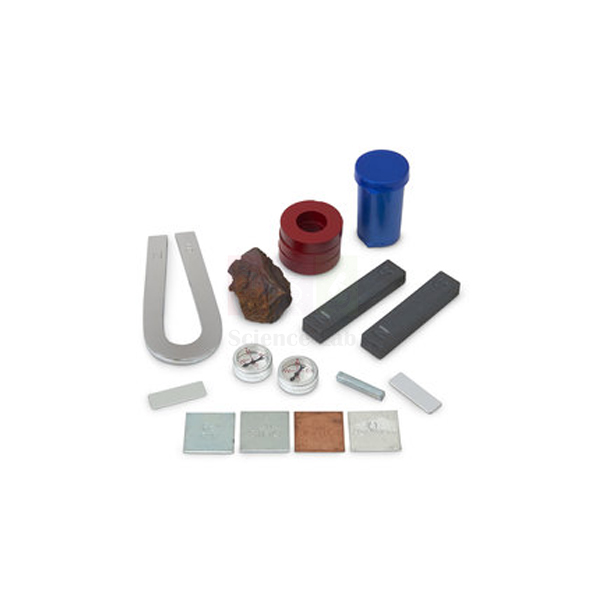
Economy Magnet Kit
Economy Magnet Kit (Product Code: SLE/MG/03) is a boxed magnetism experiment kit used to teach the basics of magnetism in school science classes. It brings together horseshoe, bar and donut magnets with metal test squares, iron filings, a natural lodestone and two compasses, plus instructions and a storage case. The kit is made by Jain Scientific Equipments Pvt Ltd (ScienceLab), an OEM manufacturer, at its own factory in Ambala, India, as an economy-level magnetism experiment kit for Indian schools.
Specifications
| Parameter | Detail |
|---|---|
| Horseshoe magnet | 1, steel |
| Bar magnets | 2, ceramic |
| Donut magnets | 3, ceramic |
| Metal test squares | 4: iron, copper, aluminium and zinc |
| Iron filings | 1 pack |
| Lodestone | Natural lodestone (included) |
| Magnetic compasses | 2 |
| Also included | Instructions and storage case |
| Product code | SLE/MG/03 |
| Manufacturer | Jain Scientific Equipments Pvt Ltd (ScienceLab) — OEM |
| Country of origin | India (made in Ambala, Haryana) |
What Is the Economy Magnet Kit Used For?
The kit covers a full introductory sequence on magnetism. Students start with the four metal squares: only the iron square is pulled by the magnets, which shows that copper, aluminium and zinc are metals but not magnetic. They then compare the steel horseshoe magnet with the ceramic bar magnets, slide the donut magnets onto a pencil to watch like poles push apart, and sprinkle iron filings on paper over a magnet to reveal its field pattern.
The natural lodestone links the lesson to history, since magnetite rock was the first magnet people knew, and the two compasses show how a freely turning needle lines up with a magnet or with the Earth's field. Keep the filings in their pack when not in use and return every magnet to the storage case so pieces do not stray between classes.
What to Specify When Ordering
- The number of kits, for example one per group of students
- Any extra single items you want quoted with the kits, such as additional compasses or iron filings (ask us)
- Whether the kits are for one school, several schools or an export consignment
OEM Manufacturer
Jain Scientific Equipments Private Limited, known by its trading name ScienceLab, is the OEM behind the Economy Magnet Kit. The company manufactures at its own licensed factory at Saha, Ambala, Haryana, India, and the kit leaves that factory complete with its case and instructions, ready for the classroom.
Because you buy from the manufacturer, questions about replacement parts for kits already in use, or repeat orders for new sections, go to the people who make it; just ask us. Our company profile gives the background on ScienceLab.
Related Magnets
Products that extend or complement this kit:
- Steel Horseshoe Magnet — extra horseshoe magnets in three lengths.
- Materials Collection for Magnetism Studies — a wider range of magnetic and non-magnetic samples to test.
- Compass Plotting (Clear) — more compasses for plotting field lines.
- Iron Filling — iron filings in a shaker jar for refilling class sets.
- Early Magnetism Kit — a larger whole-class magnetism kit.
See all teaching magnets and kits in the Magnets category.
Frequently Asked Questions
What is included in the Economy Magnet Kit?
The Economy Magnet Kit (SLE/MG/03) contains one steel horseshoe magnet, 2 ceramic bar magnets, 3 ceramic donut magnets, 4 metal squares, a pack of iron filings, a natural lodestone and 2 magnetic compasses, with instructions and a storage case.
Which metals are the test squares made of?
The four test squares in the Economy Magnet Kit are iron, copper, aluminium and zinc. Students find that only the iron square is attracted, a quick way to show that being a metal does not make a material magnetic.
Does the Economy Magnet Kit come with instructions?
Yes. The Economy Magnet Kit includes instructions along with a storage case that holds the magnets, test squares, filings, lodestone and compasses, so a teacher can run the activities and pack everything away after the lesson.
What is the lodestone in the kit for?
The lodestone in the Economy Magnet Kit is a natural magnetic rock. It lets students see that magnetism occurs in nature and compare a natural magnet with the manufactured steel and ceramic magnets in the same kit.
Who manufactures the Economy Magnet Kit?
Jain Scientific Equipments Pvt Ltd (ScienceLab) is the OEM manufacturer of the Economy Magnet Kit (SLE/MG/03). The company makes it at its own licensed factory at Saha, Ambala, Haryana, India, and supplies schools, dealers and importers directly.
Can the Economy Magnet Kit be ordered in bulk?
Yes, the Economy Magnet Kit can be quoted for a single school, for multi-school or tender lots, and for export to international markets. Share the number of kits and delivery location through our contact page.
Request a Quote
Your quotation for the Economy Magnet Kit comes direct from the manufacturer. Use the contact page or place the kit in the enquiry cart together with any other magnetism items you need.
Last updated: 24 September 2026
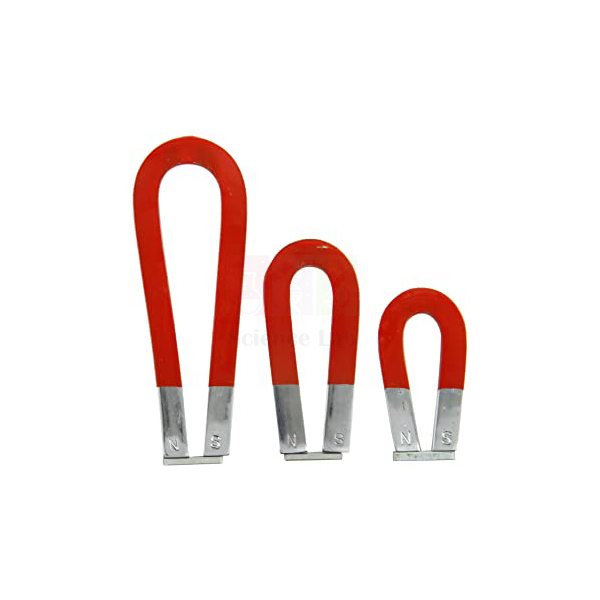
Steel Horseshoe Magnet
Steel Horseshoe Magnet (Product Code: SLE/MG/04) is a U-shaped steel permanent magnet used to demonstrate the strong, concentrated field between two close poles in school and college physics labs. It is painted red with silver poles, comes with a keeper, and is offered in 75 mm, 100 mm and 150 mm lengths. It is manufactured by Jain Scientific Equipments Pvt Ltd (ScienceLab), an OEM manufacturer, at its own factory in Ambala, India, for school physics lab equipment in India and abroad.
Specifications
| Parameter | Detail |
|---|---|
| Material | Steel |
| Shape | Horseshoe |
| Finish | Painted red, with silver poles |
| Keeper | Included |
| Lengths | 75 mm, 100 mm, 150 mm |
| Offered as | Horseshoe steel magnet set |
| Product code | SLE/MG/04 |
| Manufacturer | Jain Scientific Equipments Pvt Ltd (ScienceLab) — OEM |
| Country of origin | India (made in Ambala, Haryana) |
What Is the Steel Horseshoe Magnet Used For?
Bending a magnet into a horseshoe brings its north and south poles side by side, so the field in the gap between them is strong and fairly uniform. Teachers use this to show why horseshoe magnets lift more than bar magnets of similar size, to map the field in the gap with iron filings or a plotting compass, and to place a current-carrying wire between the poles for simple motor-effect demonstrations. With three lengths, students can also compare how the size of the magnet changes what it can pick up.
The silver ends mark the poles clearly against the red body. Always put the keeper back across the poles after use; it closes the magnetic circuit and helps a steel magnet hold its strength. Store the magnets dry, away from heat, and do not drop or hammer them. These are standard physics lab instruments in India for Class 6 to Class 12 magnetism work.
What to Specify When Ordering
- The length you need: 75 mm, 100 mm or 150 mm
- Whether you want single lengths or the set covering all three lengths (confirm the set make-up with us)
- The quantity for each length, for example one per student group
OEM Manufacturer
The Steel Horseshoe Magnet is a ScienceLab product, and ScienceLab is the trading name of Jain Scientific Equipments Private Limited (CIN U29309HR2020PTC087597). As the original equipment manufacturer, the company produces its range at its licensed factory at 449, HSIIDC Industrial Area, Saha, Ambala, Haryana (Factory Licence AMB-ONLINE-CHD-J-414).
Schools, colleges, dealers and importers therefore buy from the maker, not from a reseller. If you need replacement keepers or want to match magnets you bought earlier, ask us. Read more on our company profile.
Related Magnets
Items that pair with a horseshoe magnet in magnetism practicals:
- Economy Alnico Bar Magnets — bar magnets for comparing field shapes with the horseshoe.
- Magnet Set of 4 — alnico bar and small horseshoe magnets with keepers.
- Magnet Set — for comparing bar, short horseshoe and long horseshoe magnet strength.
- Iron Filling — for showing the field pattern between the poles.
- Plotting Compass, Single Glass Face — for tracing field direction around the magnet.
The Magnets category lists every teaching magnet we offer.
Frequently Asked Questions
What lengths does the Steel Horseshoe Magnet come in?
The Steel Horseshoe Magnet (SLE/MG/04) is offered in three lengths: 75 mm, 100 mm and 150 mm. State the length, or lengths, and the quantity of each when you ask for a quotation so the order matches your lab plan.
Does the Steel Horseshoe Magnet include a keeper?
Yes, the Steel Horseshoe Magnet includes a keeper. Placing the keeper across the silver poles after every lesson completes the magnetic path and helps the steel magnet keep its strength while it is stored.
How can students tell the poles apart?
The Steel Horseshoe Magnet is painted red with silver poles, so the pole ends stand out clearly. Students can identify north and south by testing each pole with a plotting compass or a freely suspended bar magnet.
Why use a horseshoe magnet instead of a bar magnet?
A Steel Horseshoe Magnet brings both poles close together, giving a concentrated field in the gap. That makes it better for lifting demonstrations and for placing a wire or small coil between the poles than a straight bar magnet.
Who manufactures the Steel Horseshoe Magnet?
Jain Scientific Equipments Pvt Ltd (ScienceLab) is the OEM manufacturer of the Steel Horseshoe Magnet (SLE/MG/04), producing it at its own licensed factory at Saha, Ambala, Haryana, India, and supplying buyers factory-direct.
What should a quotation request include?
For the Steel Horseshoe Magnet, include the length or lengths needed, the quantity of each, the delivery location and whether the order is for a school, a tender or export. Send it through our contact page.
Request a Quote
Quotes for the Steel Horseshoe Magnet are issued directly by the manufacturer. Contact us through the contact page or add the magnet to your enquiry cart.
Last updated: 24 September 2026
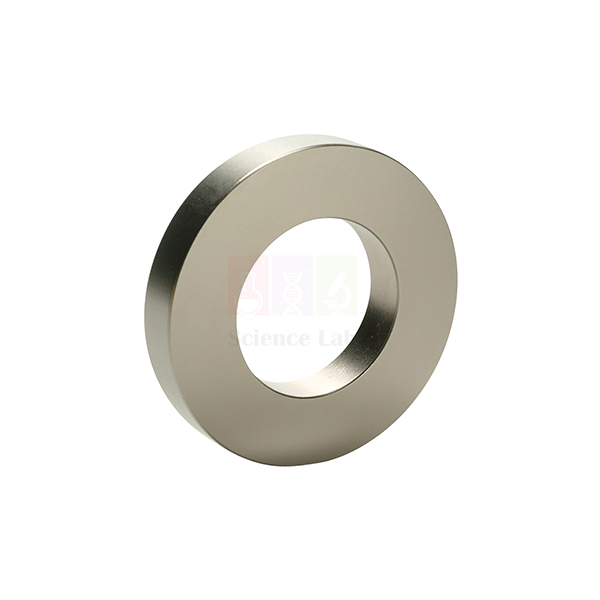
Neodymium Magnets
Neodymium Magnets (Product Code: SLE/MG/05) are rare-earth permanent magnets used to demonstrate very strong magnetic forces in school, college and university physics labs. Made of neodymium, iron and boron, they are many times stronger than ordinary magnets and more durable than ceramic magnets, which makes them useful where a small magnet must do a big job. They are supplied by Jain Scientific Equipments Pvt Ltd (ScienceLab), Ambala, India, a physics instruments supplier in India for educational buyers.
Key Details
| Parameter | Detail |
|---|---|
| Magnet type | Rare-earth permanent magnet |
| Composition | Neodymium (Nd), iron (Fe) and boron (B) |
| Strength | Many times the strength of ordinary magnets |
| Durability | More durable than ceramic magnets |
| Shape and size | Not listed; confirm with us before ordering |
| Product code | SLE/MG/05 |
| Supplied by | Jain Scientific Equipments Pvt Ltd (ScienceLab), Ambala, India |
What Are Neodymium Magnets Used For?
In teaching labs, neodymium magnets make effects visible that weaker magnets barely show. A typical sequence is to let one fall through a copper or aluminium tube and watch eddy currents slow it down, to show that magnetic force acts through a book or a thin sheet of wood, or to compare how far away each type of magnet can still move a paper clip. They are also handy for building simple motors and generators and for holding worksheets on steel boards.
Their strength calls for care. Two neodymium magnets can snap together hard enough to pinch skin or chip the magnets, so slide them apart rather than pulling. Keep them away from phones, bank cards, computers and anyone with an implanted medical device, and store them separated with a spacer.
Supplier
Neodymium Magnets are supplied by Jain Scientific Equipments Private Limited, which trades under the name ScienceLab from Ambala, Haryana, India. The company sources these rare-earth magnets for schools, colleges, laboratories and dealers, and can combine them with other magnetism items on one quotation.
If you need a particular shape, size or quantity, tell us and we will confirm what can be supplied. Background on the company is on our company profile.
Related Magnets
Other items for strong-magnet demonstrations:
- Neodymium Wand — neodymium button magnets set in acrylic wands for safer pupil handling.
- Magnetic Attraction — apparatus for measuring attraction between neodymium magnets against separation.
- Magnetic Repulsion — for investigating the repulsive force between two neodymium magnets.
- Plastic-Covered Ceramic Magnets, Pair — ceramic magnets for comparing strength with neodymium.
More teaching magnets are listed in the Magnets category.
Frequently Asked Questions
What are Neodymium Magnets made of?
Neodymium Magnets (SLE/MG/05) are made of neodymium (Nd), iron (Fe) and boron (B). This rare-earth composition gives them many times the strength of ordinary magnets, which is why they are used for strong-force classroom demonstrations.
How do neodymium magnets compare with ceramic magnets?
Neodymium Magnets are much stronger than ordinary ceramic magnets and are also more durable than ceramic magnets. Students can see the difference quickly by comparing how many paper clips each type holds or from how far each attracts a steel object.
What shapes and sizes of Neodymium Magnets are available?
The shape and size of the Neodymium Magnets (SLE/MG/05) are not listed on this page. Tell us the experiment or the dimensions you have in mind through our contact page, and we will confirm what can be supplied.
Are neodymium magnets safe for students to handle?
Neodymium Magnets can be handled by students under teacher supervision, with sensible care. Their strong pull can pinch fingers or chip the magnets if two snap together, so students should slide them apart, keep them away from electronics and store them separated.
Who supplies the Neodymium Magnets?
Neodymium Magnets (SLE/MG/05) are supplied by Jain Scientific Equipments Pvt Ltd (ScienceLab), Ambala, Haryana, India, to schools, colleges, laboratories and dealers in India and international markets.
Can Neodymium Magnets be supplied in bulk or for export?
Yes, Neodymium Magnets can be quoted in class-set and bulk quantities for schools and dealers, and for export shipments. Include the size or shape, quantity and delivery location in your enquiry so the quotation is accurate.
Request a Quote
To request a quotation for Neodymium Magnets, send your requirement through the contact page or add them to the enquiry cart with any other lab items you need.
Last updated: 24 September 2026
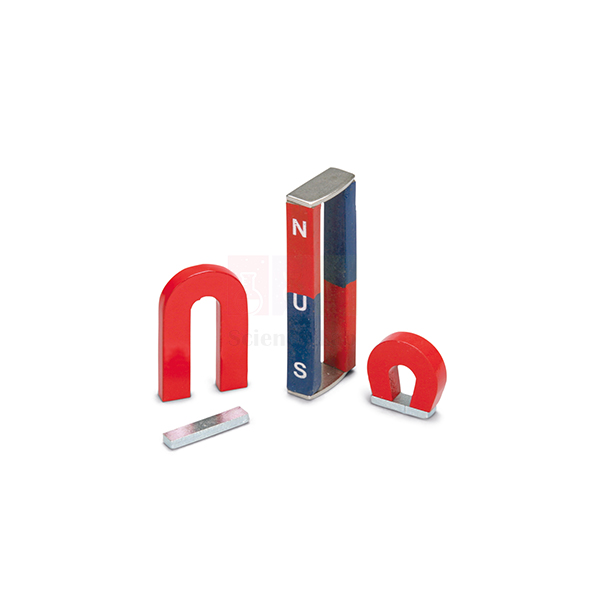
Magnet Set of 4
Magnet Set of 4 (Product Code: SLE/MG/06) is a set of four alnico permanent magnets with keepers, used to compare bar and horseshoe magnets in school physics experiments. It contains two 80 mm bar magnets plus a small and a large horseshoe magnet, so one set covers both basic magnet shapes. The set is made by Jain Scientific Equipments Pvt Ltd (ScienceLab), an OEM manufacturer, at its own factory in Ambala, India, as a compact physics experiment kit for school labs.
Specifications
| Parameter | Detail |
|---|---|
| Magnet material | Alnico |
| Magnets per set | 4, with keepers |
| Bar magnets | 2, each 80 mm x 15 mm x 10 mm |
| Small horseshoe magnet | 1, 25 mm tall x 8 mm wide |
| Large horseshoe magnet | 1, 35 mm tall x 15 mm wide |
| Product code | SLE/MG/06 |
| Manufacturer | Jain Scientific Equipments Pvt Ltd (ScienceLab) — OEM |
| Country of origin | India (made in Ambala, Haryana) |
What Is the Magnet Set of 4 Used For?
Having both shapes in one set lets a group work through the key comparisons without borrowing magnets from another bench. Students can use the two bar magnets to show attraction and repulsion between poles, then compare the small and large horseshoe magnets to see how a bigger magnet with poles further apart lifts more. Sprinkling iron filings over each magnet in turn shows the difference between the open field around a bar and the concentrated field in a horseshoe gap.
Alnico magnets are strong for their size but can lose strength if knocked or left unprotected, so the keepers matter. After each lesson, store the two bar magnets side by side with opposite poles together and a keeper across each end, and place a keeper across each horseshoe. This keeps the set useful as a physics experiment kit for school classes year after year.
OEM Manufacturer
Jain Scientific Equipments Private Limited, trading as ScienceLab, is the OEM of the Magnet Set of 4 and makes it at its own licensed factory at Saha, Ambala, Haryana, India. The company is a registered MSME manufacturer (Udyam UDYAM-HR-01-0003714), and overseas orders ship under Importer-Exporter Code AAECJ8618A.
Because the quotation comes from the maker, you can ask about extra keepers or single replacement magnets for sets already in your lab; just ask us. The company profile has more about ScienceLab.
Related Magnets
Products often ordered with this alnico set:
- Steel Horseshoe Magnet — larger horseshoe magnets up to 150 mm long.
- Economy Alnico Bar Magnets — extra alnico bar magnet pairs for more groups.
- Magnet Set — adds vials of iron filings and steel pieces for strength tests.
- Compass Plotting (Clear) — for plotting the field around each magnet.
For more magnets and magnet kits, see the Magnets category.
Frequently Asked Questions
What magnets are in the Magnet Set of 4?
The Magnet Set of 4 (SLE/MG/06) contains 2 alnico bar magnets of 80 mm x 15 mm x 10 mm, a small horseshoe magnet 25 mm tall x 8 mm wide and a large horseshoe magnet 35 mm tall x 15 mm wide, all with keepers.
What material are the magnets made from?
All four magnets in the Magnet Set of 4 are alnico, an alloy magnet that gives a strong field for its size. Alnico should be stored with keepers in place, which is why keepers are included with the set.
Why does the set include keepers?
The keepers in the Magnet Set of 4 close the magnetic path across the poles when the magnets are stored. This helps the alnico bar and horseshoe magnets hold their strength between lessons, so students should replace them after every practical.
Which experiments suit the Magnet Set of 4?
The Magnet Set of 4 suits experiments on attraction and repulsion, identifying poles, comparing bar and horseshoe field patterns with iron filings, and comparing the lifting strength of the small and large horseshoe magnets.
Who manufactures the Magnet Set of 4?
Jain Scientific Equipments Pvt Ltd (ScienceLab) is the OEM manufacturer of the Magnet Set of 4 (SLE/MG/06), producing it at its own licensed factory at Saha, Ambala, Haryana, India, and quoting schools, dealers and importers directly.
Can the Magnet Set of 4 be supplied for a whole class or for export?
Yes, the Magnet Set of 4 can be quoted in class-set, tender and dealer quantities, and for export to international markets. Tell us the number of sets and the delivery location through our contact page.
Request a Quote
Quotations for the Magnet Set of 4 come direct from the manufacturer. Send your enquiry via the contact page or add the set to the enquiry cart.
Last updated: 24 September 2026
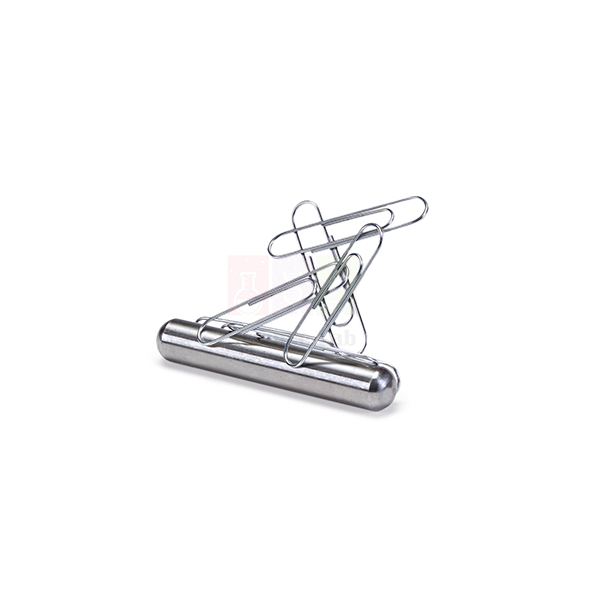
Cylindrical Cow Magnet
Cylindrical Cow Magnet (Product Code: SLE/MG/07) is an extra-strong, highly polished cylindrical metal magnet used as a compact strong-field demonstration magnet in physics classrooms and labs. It measures 1/2 inch in diameter and 3 inches long, and the design was originally used to protect a cow's stomach from metal, which gives students a memorable real-world example of magnetism. It is supplied by Jain Scientific Equipments Pvt Ltd (ScienceLab), Ambala, India, alongside other physics lab equipment for schools in India.
Specifications
| Parameter | Detail |
|---|---|
| Shape | Cylindrical |
| Diameter | 1/2 inch |
| Length | 3 inches |
| Material | Metal |
| Finish | Highly polished |
| Strength | Extra-strong |
| Original application | Protecting a cow's stomach from metal |
| Product code | SLE/MG/07 |
| Supplied by | Jain Scientific Equipments Pvt Ltd (ScienceLab), Ambala, India |
What Is a Cow Magnet Used For?
Cow magnets come from farming, where cattle can pick up stray wire or nails while grazing; this type of magnet was originally used to protect a cow's stomach from such metal. In the classroom, that story makes a good opening question about which materials a magnet attracts and why the shape suits the job. The smooth, rounded cylinder then serves as a strong hand-held magnet for lifting chains of paper clips, testing unknown materials and comparing field strength with ordinary bar magnets.
Because the magnet is strong and compact, it also works well under paper sprinkled with iron filings, where the pattern forms tightly around the two ends. The polished surface wipes clean after use; store it away from phones, cards and other magnets, and keep it out of reach of young children.
Supplier
The Cylindrical Cow Magnet is supplied by Jain Scientific Equipments Private Limited, the company behind the ScienceLab name in Ambala, Haryana, India. It sources this item for schools, colleges and science centres that want a sturdy strong-field magnet with an interesting back-story.
Single pieces, class quantities and mixed orders with other magnets can be quoted together. Find out more about the company on our company profile.
Related Magnets
Other strong magnets and field-viewing items for the same lessons:
- Neodymium Magnets — rare-earth magnets for comparing strength.
- Bar Magnets, Unpainted — stamped-pole bar magnets as a standard for comparison.
- Iron Filling — for showing the field pattern around the cylinder.
- Magnetic Field Demonstrator — field lines without loose filings.
Browse all teaching magnets in the Magnets category.
Frequently Asked Questions
What size is the Cylindrical Cow Magnet?
The Cylindrical Cow Magnet (SLE/MG/07) is 1/2 inch in diameter and 3 inches long. This compact, rounded shape makes it easy for students to hold while lifting paper clips or testing which materials are attracted.
Why is it called a cow magnet?
The Cylindrical Cow Magnet takes its name from its original use: magnets of this kind were used to protect a cow's stomach from metal picked up while grazing. Teachers use the story to link magnetism to a practical, real-world problem.
What is the Cylindrical Cow Magnet made of?
The Cylindrical Cow Magnet is described as a metal magnet with a highly polished finish. For the exact magnet alloy of the current stock, please ask through our contact page before you order.
How strong is the Cylindrical Cow Magnet?
The Cylindrical Cow Magnet is an extra-strong magnet for its compact size. A measured field value is not listed on this page, so if your experiment needs a specific strength, contact us and we will advise before quoting.
Who supplies the Cylindrical Cow Magnet?
The Cylindrical Cow Magnet (SLE/MG/07) is supplied by Jain Scientific Equipments Pvt Ltd (ScienceLab), Ambala, Haryana, India, to schools, colleges, science centres and dealers in India and international markets.
Request a Quote
For a quotation on the Cylindrical Cow Magnet, write to us through the contact page or add it to the enquiry cart with the quantity you need.
Last updated: 24 September 2026
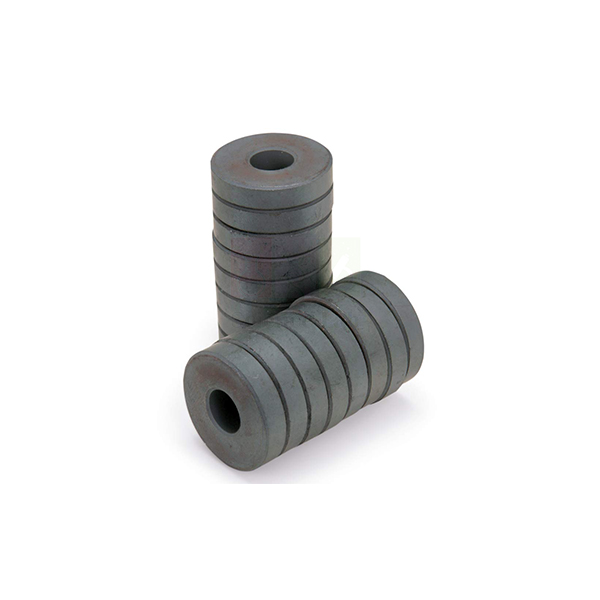
Magnets, Ring
Magnets, Ring (Product Code: SLE/MG/08) is a pack of ceramic ring magnets used to build floating-magnet sets that demonstrate magnetic repulsion in school physics lessons. Each pack holds 16 rings, and every ring is 27 mm in diameter and 5 mm thick with a 10 mm centre hole, so the magnets slide easily onto a rod or pencil. The pack is supplied by Jain Scientific Equipments Pvt Ltd (ScienceLab), Ambala, India, a school laboratory equipment supplier in India.
Specifications
| Parameter | Detail |
|---|---|
| Magnet material | Ceramic |
| Shape | Ring |
| Pack size | 16 ring magnets |
| Outer diameter | 27 mm |
| Centre hole | 10 mm |
| Thickness | 5 mm |
| Typical use | Floating magnet sets |
| Product code | SLE/MG/08 |
| Supplied by | Jain Scientific Equipments Pvt Ltd (ScienceLab), Ambala, India |
What Are Ring Magnets Used For?
The classic use is the floating-magnet stack. Thread several rings onto an upright rod or a pencil with like poles facing each other, and each ring hovers above the one below it because the repulsion balances its weight. Students can press the uppermost ring down and feel it spring back, count how the gaps shrink towards the bottom of the stack, and flip one ring over to see it snap onto its neighbour when unlike poles meet.
With 16 rings in a pack, a teacher can build several stacks for group work or keep spares for rings that chip. Ceramic magnets are brittle, so let rings meet gently instead of snapping them together, and store them in a stack with a spacer. The 10 mm hole also makes the rings useful for simple motor and generator models.
Supplier
Jain Scientific Equipments Private Limited, which trades as ScienceLab from Ambala, Haryana, India, supplies these ceramic ring magnets to schools, colleges, dealers and kit builders. For vendor registration, the supplying company's GSTIN is 06AAECJ8618A1ZT and its LEI is 3358004HRD1JIVXKYX49.
Single packs and larger quantities can be quoted together with rods, stands or other magnetism items. Company details are on our company profile.
Related Magnets
Products that go with ring magnets in repulsion experiments:
- Floating Magnets – Coloured — a ready-made set of ceramic rings on a wooden pole.
- Super Floating Magnets Set — a floating-magnet set for repulsion demonstrations.
- Magnetic Repulsion — for measuring repulsive force against separation.
- Magnetic Activity Kit — ferrite magnets with a rod, caps and washers for levitation activities.
See the Magnets category for more magnet shapes and sets.
Frequently Asked Questions
How many ring magnets are in one pack of Magnets, Ring?
One pack of Magnets, Ring (SLE/MG/08) contains 16 ceramic ring magnets. That is enough to build several floating-magnet stacks for group work, or one tall stack with spare rings kept aside.
What size are the ceramic ring magnets?
Each magnet in the Magnets, Ring pack measures 27 mm in outer diameter and 5 mm thick, with a 10 mm hole in the centre. The hole lets the rings slide onto a rod or pencil for floating-magnet demonstrations.
How do ring magnets show magnetic repulsion?
When Magnets, Ring are stacked on a rod with like poles facing, each ring floats above the next because repulsion balances gravity. Turning one ring over makes it attract its neighbour instead, showing both effects with the same magnets.
Is a rod or stand included with the ring magnets?
No rod or stand is listed with the Magnets, Ring pack, which is sold as 16 loose ceramic rings. If you need a stand or a complete floating set, ask through our contact page and we will quote suitable items.
Who supplies the Magnets, Ring pack?
The Magnets, Ring pack (SLE/MG/08) is supplied by Jain Scientific Equipments Pvt Ltd (ScienceLab), Ambala, Haryana, India, to schools, colleges, dealers and importers in India and international markets.
Request a Quote
Ask for a quotation on Magnets, Ring through the contact page, stating the number of packs, or add the item to the enquiry cart.
Last updated: 24 September 2026
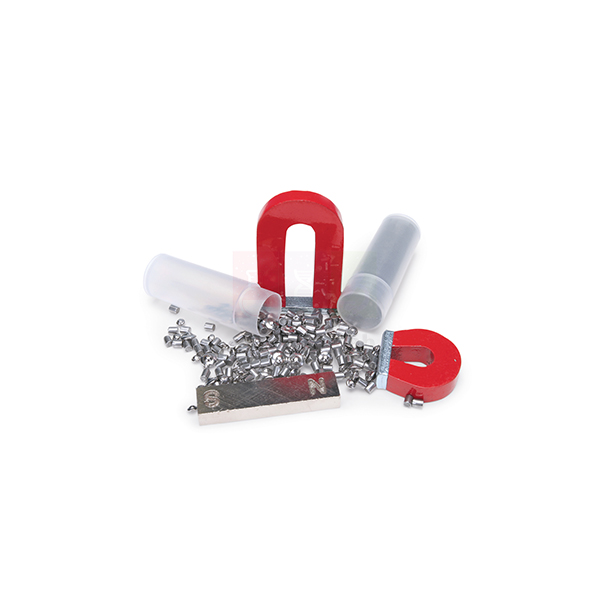
Magnet Set
Magnet Set (Product Code: SLE/MG/09) is a comparison set of bar and horseshoe magnets used to investigate and rank magnet strength in school science lessons. Alongside the magnets it holds a vial of iron filings for seeing magnetic fields and a vial of steel pieces for testing how much each magnet can pick up. The set is made by Jain Scientific Equipments Pvt Ltd (ScienceLab), an OEM manufacturer, at its own factory in Ambala, India, as one of its science kits for students in India.
Key Details
| Parameter | Detail |
|---|---|
| Magnets | Bar and horseshoe magnets, including a short and a long horseshoe, for strength comparison |
| Iron filings | 1 vial, to visualise magnetic fields |
| Steel pieces | 1 vial, to compare magnet strength |
| Purpose | Comparing magnet strengths, e.g. bar to horseshoe and short horseshoe to long horseshoe |
| Product code | SLE/MG/09 |
| Manufacturer | Jain Scientific Equipments Pvt Ltd (ScienceLab) — OEM |
| Country of origin | India (made in Ambala, Haryana) |
What Is the Magnet Set Used For?
This set turns a vague idea, that some magnets are stronger than others, into a fair test students can run themselves. Each group dips a magnet into the steel pieces, counts how many it lifts, and records the result; repeating this for the bar magnet, the short horseshoe and the long horseshoe gives a clear ranking. Pupils can then discuss what makes the difference: the shape that brings the poles together, and the size of the magnet.
The iron filings add the visual side. Sprinkled on a sheet of paper over each magnet, they show why the horseshoe concentrates its pull between the poles while the bar spreads its field around both ends. Pour the filings back into their vial straight after use and keep them away from the magnet faces, since filings stuck to a magnet are hard to remove.
OEM Manufacturer
ScienceLab is the brand of Jain Scientific Equipments Private Limited, the original equipment manufacturer of this Magnet Set. The company produces its magnetism teaching range at its own licensed factory at Saha, Ambala, Haryana, India, and supplies schools, education departments, dealers and importers factory-direct.
Ask us if you need extra vials of steel pieces or iron filings for sets already in use, or matching sets for additional classrooms. Learn more on our company profile.
Related Magnets
Items that support magnet-strength investigations:
- Magnet Set of 4 — alnico bar magnets and two horseshoe sizes with stated dimensions.
- Steel Horseshoe Magnet — horseshoe magnets in three lengths for extended comparisons.
- Iron Filling — a larger jar of filings for refilling the vial.
- Materials Collection for Magnetism Studies — samples for sorting magnetic and non-magnetic materials.
All magnets and magnet kits are grouped in the Magnets category.
Frequently Asked Questions
What does the Magnet Set contain?
The Magnet Set (SLE/MG/09) contains bar and horseshoe magnets for strength comparison, including a short and a long horseshoe, plus a vial of iron filings to visualise magnetic fields and a vial of steel pieces to compare strength. Ask us for the exact magnet count.
How do students compare magnet strength with this set?
With the Magnet Set, students lower each magnet into the vial of steel pieces and count how many it lifts. Comparing the bar magnet with the horseshoe, and the short horseshoe with the long one, gives a simple, repeatable strength ranking.
What are the iron filings in the Magnet Set for?
The vial of iron filings in the Magnet Set is for making magnetic fields visible. Sprinkled on paper placed over a magnet, the filings line up along the field, showing the different patterns of the bar and horseshoe magnets.
Who manufactures the Magnet Set?
Jain Scientific Equipments Pvt Ltd (ScienceLab) is the OEM manufacturer of the Magnet Set (SLE/MG/09), making it at its own licensed factory at Saha, Ambala, Haryana, India, and supplying schools, dealers and importers without a middleman.
Can the Magnet Set be ordered for many classrooms or for export?
Yes, the Magnet Set can be quoted in class and multi-school quantities, for tenders and dealers, and for export to international markets. Send the number of sets and delivery location through our contact page.
Request a Quote
The manufacturer quotes the Magnet Set directly. Reach us through the contact page or add the set to the enquiry cart with other magnetism items.
Last updated: 24 September 2026
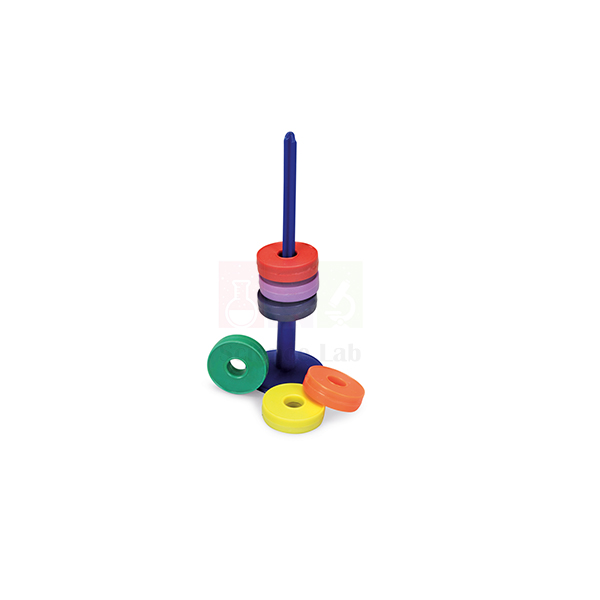
Super Floating Magnets Set
Super Floating Magnets Set (Product Code: SLE/MG/10) is a floating-magnet demonstration set used to show magnetic repulsion, where like poles push magnets apart so they appear to hover, in school science lessons. It suits teachers who want a quick, visual way to show that magnetic force acts without contact, and it also works well as a science fair project kit in India. It is supplied by Jain Scientific Equipments Pvt Ltd (ScienceLab), Ambala, India; contents are confirmed with each quotation.
Key Details
| Parameter | Detail |
|---|---|
| Product type | Floating magnets demonstration set |
| Demonstrates | Magnetic repulsion between like poles; force acting without contact |
| Contents and sizes | Confirmed with your quotation; ask us before ordering |
| Product code | SLE/MG/10 |
| Supplied by | Jain Scientific Equipments Pvt Ltd (ScienceLab), Ambala, India |
What Is a Floating Magnets Set Used For?
Floating magnets are one of the quickest ways to make an invisible force obvious. In a typical floating-magnet demonstration, ring magnets are placed on a vertical guide with like poles facing, so each magnet rests in mid-air above the one beneath it. Students can push a magnet down and feel the resistance grow as the gap closes, compare the spacing at the lower and upper ends of the stack, and turn a magnet over to watch repulsion change to attraction.
These observations lead naturally into discussion of balanced forces, since the magnetic push matches the weight of the magnets above. The same set can support a class investigation or a science fair display. Handle the magnets gently, as magnets can chip if allowed to snap together.
Supplier
The Super Floating Magnets Set is supplied by Jain Scientific Equipments Private Limited, the company that trades as ScienceLab in Ambala, Haryana, India. It sources the set for schools, science centres and dealers, and confirms the current contents of the set with every quotation so buyers know exactly what they will receive.
If you are building several demonstration stations, the set can be quoted together with loose ring magnets and other magnetism items. See our company profile for more about the business.
Related Magnets
Products for repulsion and levitation demonstrations:
- Magnets, Ring — loose ceramic ring magnets for building your own floating stacks.
- Floating Magnets – Coloured — coloured ceramic rings on a wooden pole.
- Magnetic Activity Kit — covers levitation by repulsion and other magnet properties.
- Magnetic Repulsion — apparatus for measuring repulsive force at different separations.
Explore more teaching magnets in the Magnets category.
Frequently Asked Questions
What does the Super Floating Magnets Set demonstrate?
The Super Floating Magnets Set (SLE/MG/10) demonstrates magnetic repulsion. With like poles facing, the magnets push each other apart and appear to float, showing students that magnetic force acts across a gap without any contact.
What is included in the Super Floating Magnets Set?
The contents and sizes of the Super Floating Magnets Set are confirmed with each quotation rather than listed here. Please ask through our contact page and we will send the current contents before you place an order.
Which age groups is a floating magnets set suitable for?
A floating magnets set such as the Super Floating Magnets Set suits primary and middle-school magnetism lessons and science fair displays, with teacher supervision. Older students can extend it into discussions of balanced forces and field strength.
How should the floating magnets be handled?
Handle the magnets in the Super Floating Magnets Set gently and avoid letting them snap together, as magnets can chip. Keep them away from phones and cards, and store them with like poles apart or with a spacer between them.
Who supplies the Super Floating Magnets Set?
The Super Floating Magnets Set (SLE/MG/10) is supplied by Jain Scientific Equipments Pvt Ltd (ScienceLab), Ambala, Haryana, India, to schools, science centres and dealers in India and international markets.
Request a Quote
Request a quotation, including the confirmed set contents, through our contact page, or add the Super Floating Magnets Set to the enquiry cart.
Last updated: 24 September 2026
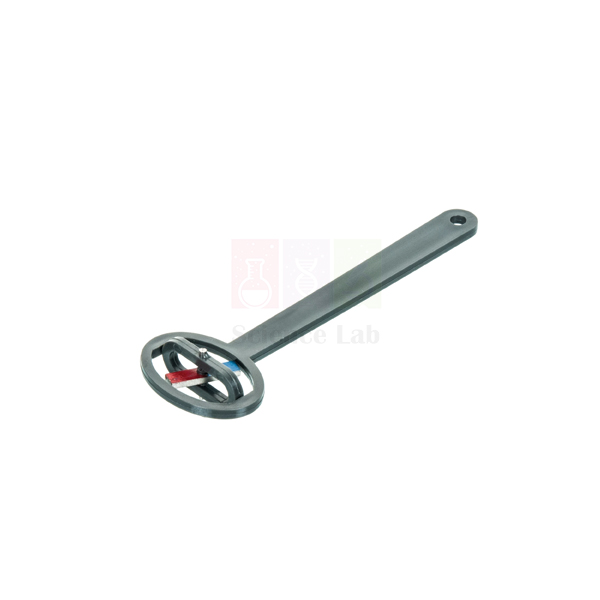
Magnet Probe
Magnet Probe (Product Code: SLE/MG/11) is a hand-held field-mapping tool used to show the direction of magnetic fields in three dimensions around magnets and electromagnets in physics classrooms. A small 1.9 cm alnico magnet with blue and red painted poles sits in a freely spinning gimbal, so it swings to line up with the field along the x, y and z axes. The probe is supplied by Jain Scientific Equipments Pvt Ltd (ScienceLab), Ambala, India, alongside other physics lab instruments in India.
Specifications
| Parameter | Detail |
|---|---|
| Function | Maps magnetic fields in 3 dimensions (x, y and z) |
| Sensing magnet | Small alnico bar magnet, 1.9 cm long |
| Pole marking | One pole painted blue, the other red |
| Mounting | Rotating gimbal that spins freely |
| Construction | Durable plastic |
| Overall length | 4-3/4 inch |
| Field sources | Magnets, electromagnets and other sources |
| Product code | SLE/MG/11 |
| Supplied by | Jain Scientific Equipments Pvt Ltd (ScienceLab), Ambala, India |
What Is a Magnet Probe Used For?
A flat plotting compass only shows the field in the plane of the table. The Magnet Probe removes that limit: because its magnet is held in a gimbal, it can tilt up, down and sideways, and it points along the real three-dimensional field line wherever it is held. Moving it slowly over and around a bar magnet shows students that field lines leave one pole, arc through space and curve back into the other, not just around the edges on paper.
The probe works just as well near an electromagnet or a current-carrying coil, so it helps link permanent magnets with electromagnetism. Ask students to trace a path with the probe and sketch the direction of the blue and red ends at each point. Keep it away from very strong magnets when not in use and store it where the gimbal cannot be bent.
Supplier
Jain Scientific Equipments Private Limited, trading as ScienceLab in Ambala, Haryana, India, supplies the Magnet Probe to schools, colleges and science centres. The company sources it as part of a wider range of magnetism teaching items, so probes, magnets and electromagnets can be ordered together.
Tell us how many probes you need for your class groups and we will include them in one quotation. More about the company is on our company profile.
Related Magnets
Field sources and other field-viewing tools to use with the probe:
- Economy Alnico Bar Magnets — bar magnets to map around.
- Iron-Clad Electromagnet — an electromagnet whose field the probe can trace.
- Compass Plotting (Clear) — for comparing flat, two-dimensional plotting.
- Magnetic Field Tube — another 3-D field demonstration.
- Magnetic Field Demonstrator — shows field-line patterns without iron filings.
More field-visualisation items are in the Magnets category.
Frequently Asked Questions
How does the Magnet Probe show a magnetic field in 3D?
The Magnet Probe (SLE/MG/11) holds a small alnico magnet in a rotating gimbal that spins freely. Wherever the probe is placed, the magnet turns to align with the local field, showing its direction along the x, y and z axes.
How are the poles of the probe magnet identified?
The magnet inside the Magnet Probe is painted blue on one pole and red on the other, so the poles are easy to tell apart. Students record which coloured end points towards the magnet or coil at each position.
What size is the Magnet Probe?
The Magnet Probe is 4-3/4 inch long overall, with a 1.9 cm alnico magnet in its gimbal. The body is durable plastic, so it can be passed around a class and moved freely around magnets and electromagnets.
Can the Magnet Probe be used with electromagnets?
Yes. The Magnet Probe visualises the magnetic fields around magnets, electromagnets and other field sources, which makes it useful for comparing the field of a permanent magnet with that of a current-carrying coil.
Who supplies the Magnet Probe?
The Magnet Probe (SLE/MG/11) is supplied by Jain Scientific Equipments Pvt Ltd (ScienceLab), Ambala, Haryana, India, to schools, colleges, science centres and dealers in India and international markets.
Request a Quote
For a quotation on the Magnet Probe, contact us through the contact page with the quantity needed, or add it to the enquiry cart.
Last updated: 24 September 2026
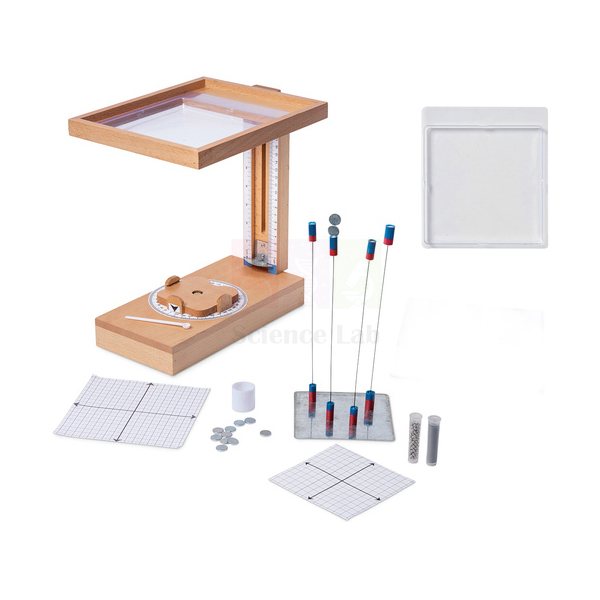
Wave Wires Magnet Station
Wave Wires Magnet Station (Product Code: SLE/MG/12) is a hands-on magnetism activity station used to introduce magnetism, show magnetic field lines and explore force and motion with learners in grades 3 to 8. Students watch iron filings move, roll steel balls inside a viewing tray and study oscillations of magnet wires, all through a clear top-down window, and one station serves one small group. It is supplied by Jain Scientific Equipments Pvt Ltd (ScienceLab), Ambala, India, for STEM science kit programmes in India.
Key Details
| Parameter | Detail |
|---|---|
| Learner level | Grades 3 to 8 |
| Topics | Introduction to magnetism, magnetic field lines, force and motion through collisions and oscillations |
| Activities | Moving iron filings, propelling steel balls in a viewing tray, magnet painting, dangling magnet wires upside down to study oscillations |
| Viewing | Clear window and transparent tray for a top-down view |
| Quantity of materials | Enough for 1 small group |
| Settings | Classrooms, makerspaces, science fairs, STEM and STEAM programmes |
| Product code | SLE/MG/12 |
| Supplied by | Jain Scientific Equipments Pvt Ltd (ScienceLab), Ambala, India |
What Is the Wave Wires Magnet Station Used For?
The station gives a small group a self-contained place to explore magnetism by watching and doing. Moving a magnet under the tray makes iron filings stand up and shift into field-line patterns, and steel balls roll, collide and bounce as the magnet pulls them, which opens discussion of force, motion and energy transfer. Hanging magnet wires upside down lets students see oscillations caused by magnetic forces, and the magnet painting activity turns field patterns into art.
Because everything is viewed from above through a clear window and transparent tray, the whole group can see each interaction at once. It works as a carousel station in a lesson, a makerspace activity or a science fair exhibit. Keep the tray level and the filings contained, and supervise younger learners with the small steel balls.
Supplier
The Wave Wires Magnet Station is supplied by Jain Scientific Equipments Private Limited, which trades under the ScienceLab name from Ambala, Haryana, India. The company sources it for schools, STEM centres, makerspaces and dealers that want a ready-to-use magnetism activity for small groups.
Tell us how many groups you plan to run and we will quote the number of stations needed. Read about the company on our company profile.
Related Magnets
Other items for hands-on magnetism with younger learners:
- Magnetic Field Tube — a sealed cylinder for 3-D views of magnetic fields.
- Magnetic Wands — brightly coloured wands for picking up metallic chips and magnetic marbles.
- Early Magnetism Kit — a whole-class kit for magnetism discovery.
- Magnetic Field Demonstrator — field-line patterns without loose filings.
More activity kits and magnets are in the Magnets category.
Frequently Asked Questions
Which age group is the Wave Wires Magnet Station for?
The Wave Wires Magnet Station (SLE/MG/12) is intended for learners in grades 3 to 8. It suits primary and middle-school magnetism units, after-school STEM clubs and makerspaces, with an adult supervising the group.
What activities can students do at the station?
At the Wave Wires Magnet Station students can watch iron filings move, propel steel balls inside a viewing tray, create a magnet painting and dangle magnet wires upside down to study oscillations caused by magnetic forces.
How many students can use one Wave Wires Magnet Station?
One Wave Wires Magnet Station contains enough materials for 1 small group. For a full class, order one station per group; tell us your group count through our contact page and we will quote accordingly.
Which science topics does the station cover?
The Wave Wires Magnet Station introduces magnetism, helps students visualise magnetic field lines and supports force-and-motion learning through collisions and oscillations driven by magnetic forces, so it links physics topics in one activity.
Who supplies the Wave Wires Magnet Station?
The Wave Wires Magnet Station (SLE/MG/12) is supplied by Jain Scientific Equipments Pvt Ltd (ScienceLab), Ambala, Haryana, India, to schools, STEM centres and dealers in India and international markets.
Request a Quote
Ask for a quotation on the Wave Wires Magnet Station through our contact page, or add it to the enquiry cart with the number of stations you need.
Last updated: 24 September 2026
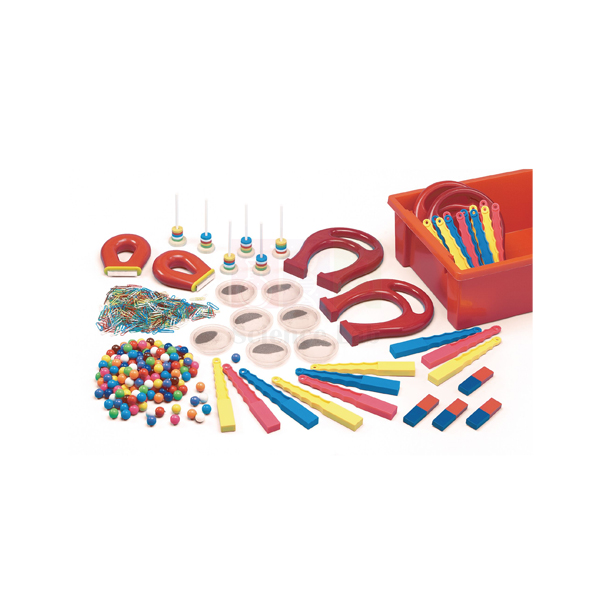
Early Magnetism Kit
Early Magnetism Kit (Product Code: SLE/MG/13) is a large whole-class collection of magnetic materials used for magnetism discovery work with young learners, either by the whole class or in small groups. It combines giant magnets, magnetic wands, magnetic marbles, floating magnets, iron filings bubbles, super magnets, coloured paper clips and plastic cased magnets in one lidded tote tray. The kit is made by Jain Scientific Equipments Pvt Ltd (ScienceLab), an OEM manufacturer, at its own factory in Ambala, India, as a hands-on science kit for primary school classrooms.
Specifications
| Parameter | Detail |
|---|---|
| Giant magnets | 4 |
| Magnetic wands | 24, brightly coloured |
| Magnetic marbles | 200 |
| Floating magnets | 6 sets |
| Iron filings bubbles | 1 pack of 10 |
| Super magnets | 2 |
| Coloured paper clips | 1 tub |
| Plastic cased magnets | 2 pairs |
| Storage | Deep tote tray with lid |
| Product code | SLE/MG/13 |
| Manufacturer | Jain Scientific Equipments Pvt Ltd (ScienceLab) — OEM |
| Country of origin | India (made in Ambala, Haryana) |
What Is the Early Magnetism Kit Used For?
This kit is built for exploration rather than a single experiment. Young children can use the magnetic wands to fish for paper clips and marbles, sort what the magnets pick up, and discover that magnets pull through a thin sheet of card or a tray lid. The floating magnets show things pushing apart without touching, the iron filings bubbles reveal field patterns safely sealed inside, and the giant and super magnets let the class compare strengths.
With 24 wands and six floating sets, a teacher can run a whole-class session or split the class into groups at different activity tables. Count the marbles and paper clips back into the tote tray after each lesson so small pieces are not lost, and keep the super magnets for adult-led demonstrations with the youngest groups.
OEM Manufacturer
Jain Scientific Equipments Private Limited, whose trading name is ScienceLab, is the OEM of the Early Magnetism Kit. The company manufactures at its own licensed factory at Saha, Ambala, Haryana, India, and the kit is supplied from there, packed in its lidded tote tray, to schools, dealers and importers.
Buying from the manufacturer means additional items for a kit already in use, such as extra wands or paper clips, can be requested from the same source; ask us. Our company profile has more information.
Related Magnets
Products that extend early magnetism activities:
- Magnetic Wands — extra packs of coloured wands for larger classes.
- Super Floating Magnets Set — an additional floating-magnet demonstration.
- Materials Collection for Magnetism Studies — magnetic and non-magnetic items for sorting tasks.
- 3D Magnets Set — magnetic building blocks for construction play.
- Economy Magnet Kit — a smaller kit for older pupils.
The Magnets category lists more kits and classroom magnets.
Frequently Asked Questions
What does the Early Magnetism Kit contain?
The Early Magnetism Kit (SLE/MG/13) contains 4 giant magnets, 24 magnetic wands, 200 magnetic marbles, 6 sets of floating magnets, a pack of 10 iron filings bubbles, 2 super magnets, a tub of coloured paper clips and 2 pairs of plastic cased magnets, in a lidded tote tray.
Can the Early Magnetism Kit be used by a whole class?
Yes. The Early Magnetism Kit is designed to be used either by the whole class or by groups for magnetism discovery work. The 24 wands and 6 floating magnet sets allow several activity tables to run at the same time.
How is the Early Magnetism Kit stored?
All items in the Early Magnetism Kit are housed in a deep tote tray with a lid. This keeps the marbles, paper clips and magnets together between lessons and makes the kit easy to carry from one classroom to another.
What are iron filings bubbles?
The iron filings bubbles in the Early Magnetism Kit are sealed containers of iron filings. Children move a magnet around the outside and watch the filings form patterns, seeing a magnetic field without handling loose filings.
Who manufactures the Early Magnetism Kit?
Jain Scientific Equipments Pvt Ltd (ScienceLab) is the OEM manufacturer of the Early Magnetism Kit (SLE/MG/13), producing it at its own licensed factory at Saha, Ambala, Haryana, India, and supplying schools and dealers directly.
Can the Early Magnetism Kit be ordered for several schools or for export?
Yes, the Early Magnetism Kit can be quoted for single schools, multi-school programmes, tenders and dealers, and for export to international markets. Share the number of kits and delivery location through our contact page.
Request a Quote
Quotations for the Early Magnetism Kit come direct from the manufacturer. Contact us through the contact page or add the kit to the enquiry cart.
Last updated: 24 September 2026
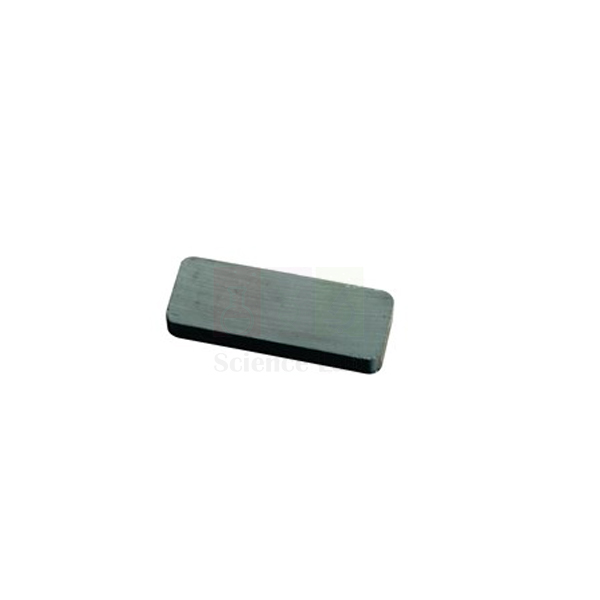
Magnadur Magnets
Magnadur Magnets (Product Code: SLE/MG/14) are flat rectangular permanent magnets used in electromagnetism experiments such as simple motors, generators and field studies in school and college physics labs. Each magnet measures 50 x 19 x 6 mm, they come in packs of 10, and they are the type used in the Westminster electromagnetic kit. They are supplied by Jain Scientific Equipments Pvt Ltd (ScienceLab), Ambala, India, for schools building or restocking an electromagnetic kit in India.
Specifications
| Parameter | Detail |
|---|---|
| Shape | Rectangular |
| Dimensions | 50 x 19 x 6 mm |
| Pack size | 10 magnets |
| Noted use | As used in the Westminster electromagnetic kit |
| Product code | SLE/MG/14 |
| Supplied by | Jain Scientific Equipments Pvt Ltd (ScienceLab), Ambala, India |
What Are Magnadur Magnets Used For?
Flat slab magnets like these are the workhorses of electromagnetism practicals. Placed in pairs on either side of a coil, they provide the field for a simple DC motor or a hand-turned generator; laid under a current-carrying wire, they show the catapult force that moves the wire. Their flat faces also make them easy to stack, clamp or fix to a yoke when a stronger or wider field is needed.
Because this is the magnet type used in the Westminster electromagnetic kit, a pack is also a convenient way to replace lost or chipped magnets in existing kits. Before an experiment, check which face is north with a plotting compass and mark it. Store the magnets in pairs with opposite faces together and handle them gently so the edges do not chip.
Supplier
Magnadur Magnets are supplied by Jain Scientific Equipments Private Limited, the Ambala, Haryana, India company that trades as ScienceLab. It sources these slab magnets for schools, colleges and dealers, and can quote them alongside the coils, electromagnets and other magnetism apparatus used in the same experiments.
Tell us how many packs you need and whether the magnets are for new kits or replacements. For company details, visit our company profile.
Related Magnets
Apparatus often used with slab magnets:
- Adjustable Magnet — a steel frame with adjustable jaws for varying the gap field.
- Iron-Clad Electromagnet — for comparing permanent and electromagnets.
- Plastic-Covered Ceramic Magnets, Pair — wipe-clean magnets for field-line work.
- Compass Plotting (Clear) — for finding and marking the poles.
See the Magnets category for other magnet shapes and sizes.
Frequently Asked Questions
What size are Magnadur Magnets?
Magnadur Magnets (SLE/MG/14) are rectangular and measure 50 x 19 x 6 mm. The flat shape lets them sit neatly on either side of a coil or be stacked when a stronger field is needed in a motor or generator experiment.
How many magnets are in a pack?
Magnadur Magnets are sold in packs of 10. A pack provides five pairs, which is useful for equipping several electromagnetism kits or keeping spares for magnets that are lost or chipped during practical work.
Are these magnets suitable for the Westminster electromagnetic kit?
Magnadur Magnets are described as the type used in the Westminster electromagnetic kit. If you are replacing magnets in a particular kit, send us its details through our contact page so we can confirm the match.
What material are Magnadur Magnets made of?
The magnet material of Magnadur Magnets is not stated on this page. If your experiment or tender requires a specific material or field strength, please ask us before ordering and we will confirm the details of the current supply.
Who supplies Magnadur Magnets?
Magnadur Magnets (SLE/MG/14) are supplied by Jain Scientific Equipments Pvt Ltd (ScienceLab), Ambala, Haryana, India, to schools, colleges and dealers in India and international markets.
Request a Quote
To request a quotation for Magnadur Magnets, send the number of packs through the contact page or add them to the enquiry cart.
Last updated: 24 September 2026
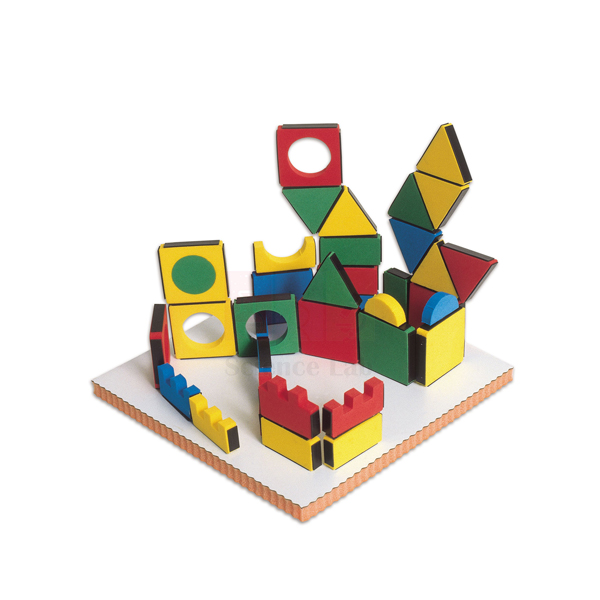
3D Magnets Set
3D Magnets Set (Product Code: SLE/MG/15) is a three-dimensional magnetic construction set used for building activities and for discovering magnetic properties in early science and maths lessons. Its 108 colourful building blocks link to each other by magnetic attraction, and 2 baseboards give children a stable surface to build on. It is supplied by Jain Scientific Equipments Pvt Ltd (ScienceLab), Ambala, India, as a 3D science model kit for Indian classrooms.
Key Details
| Parameter | Detail |
|---|---|
| Type | 3-dimensional magnetic construction system |
| Building blocks | 108, colourful |
| Joining method | Magnetic attraction between blocks |
| Baseboards | 2 included |
| Learning uses | Construction activities and discovering magnetic properties |
| Product code | SLE/MG/15 |
| Supplied by | Jain Scientific Equipments Pvt Ltd (ScienceLab), Ambala, India |
What Is the 3D Magnets Set Used For?
Because the blocks hold together by magnetism rather than by pegs or glue, children learn about magnets simply by building. They quickly notice that some faces snap together and others push away, which leads to questions about poles, attraction and repulsion. Building towers, bridges and 3D shapes on the baseboards also develops spatial reasoning, counting and early geometry, so the set fits both science and maths sessions.
With 108 blocks and 2 baseboards, two groups can build at the same time or a class can share one large project. Set a challenge, such as the tallest free-standing tower, and ask children to explain why certain blocks will not join. Collect and count the blocks after play, and keep them away from electronic devices and cards.
Supplier
The 3D Magnets Set is supplied by Jain Scientific Equipments Private Limited, which operates as ScienceLab from Ambala, Haryana, India. The company sources it for schools, activity centres and dealers, together with other magnetic learning resources.
Tell us the number of sets you need, for example one per classroom or activity corner, and we will prepare a quotation. See our company profile for background on ScienceLab.
Related Magnets
Other magnetic building and learning resources:
- Magnetic Wooden Blocks — wood-covered magnetic blocks for construction play.
- Eco Magnetic Polydron Class Set — magnetic pieces for building 2D and 3D shapes.
- 3D Colour Solid Set — for linking 3D solids with their 2D representations.
- Early Magnetism Kit — whole-class magnetism discovery materials.
More classroom magnets and kits are in the Magnets category.
Frequently Asked Questions
How many pieces are in the 3D Magnets Set?
The 3D Magnets Set (SLE/MG/15) contains 108 colourful building blocks and 2 baseboards. The blocks link together by magnetic attraction, so children can build three-dimensional structures without connectors or glue.
How do the blocks in the 3D Magnets Set join together?
The blocks in the 3D Magnets Set join by magnetic attraction. Children discover that some faces attract while others repel, which introduces the idea of magnetic poles naturally during construction play.
Which subjects can the 3D Magnets Set support?
The 3D Magnets Set supports early science, through discovering magnetic properties, and early maths, through building 3D shapes, counting blocks and exploring balance and symmetry in construction activities.
What age group is the 3D Magnets Set suitable for?
A recommended age range for the 3D Magnets Set is not stated on this page. Please ask through our contact page before ordering for very young children, and always supervise play with magnetic pieces.
Who supplies the 3D Magnets Set?
The 3D Magnets Set (SLE/MG/15) is supplied by Jain Scientific Equipments Pvt Ltd (ScienceLab), Ambala, Haryana, India, to schools, activity centres and dealers in India and international markets.
Request a Quote
For a quotation on the 3D Magnets Set, contact us through the contact page or add it to the enquiry cart along with other classroom resources.
Last updated: 24 September 2026
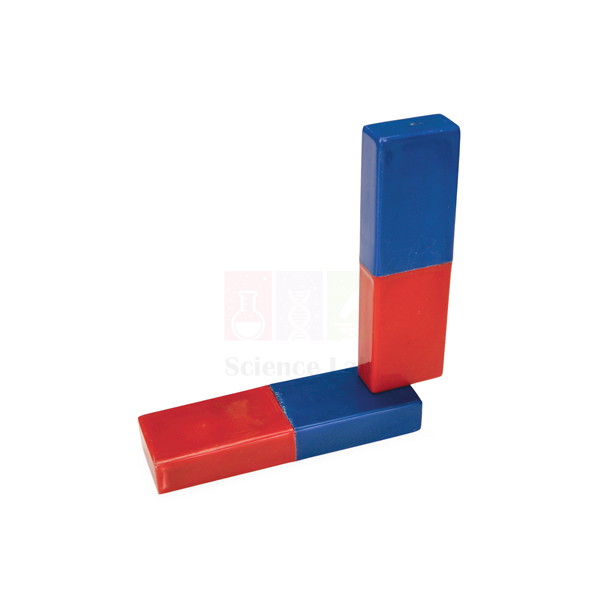
Plastic-Covered Ceramic Magnets, Pair
Plastic-Covered Ceramic Magnets, Pair (Product Code: SLE/MG/16) are two strong ceramic bar-style magnets in colourful plastic covers, used to demonstrate magnetic lines of force with iron filings in school science classes. Each magnet measures 3 in long by 3/5 in wide by 2/5 in deep, the cover wipes clean of dirt and filings, and its colour contrasts sharply with metal filings. The pair is supplied by Jain Scientific Equipments Pvt Ltd (ScienceLab), Ambala, India, as school physics lab equipment in India.
Specifications
| Parameter | Detail |
|---|---|
| Magnet type | Ceramic |
| Covering | Colourful plastic, wipe-clean |
| Size (each) | 3 in L x 3/5 in W x 2/5 in D |
| Sold as | Pair |
| Main use | Demonstrating magnetic lines of force with metal filings |
| Product code | SLE/MG/16 |
| Supplied by | Jain Scientific Equipments Pvt Ltd (ScienceLab), Ambala, India |
What Are Plastic-Covered Ceramic Magnets Used For?
Iron filing demonstrations are where these magnets earn their place. Lay a magnet under a sheet of paper or card, sprinkle filings over it and tap gently: the filings line up along the field, and the bright plastic makes the dark pattern easy to see from the back of the room. Placing the pair end to end, with like or unlike poles facing, shows students how field lines crowd together between attracting poles and bend away between repelling ones.
The plastic cover is the practical advantage. Bare ceramic magnets collect filings and grime that are hard to remove and can chip at the edges, but a covered magnet simply wipes clean after the lesson. Store the two magnets side by side with opposite poles together, and keep them away from phones and cards.
Supplier
Jain Scientific Equipments Private Limited, trading as ScienceLab from Ambala, Haryana, India, supplies the Plastic-Covered Ceramic Magnets, Pair to schools, colleges and dealers. The company sources these covered magnets so they can be quoted together with iron filings, plotting compasses and other magnetism items.
Let us know how many pairs your classes need and we will include them in one quotation. More about the company is on our company profile.
Related Magnets
Items for field-line lessons with these magnets:
- Iron Filling — iron filings in a shaker jar for field patterns.
- Bar Magnet (Plastic) — another plastic-cased bar magnet set with iron filings.
- Compass Plotting (Clear) — for tracing field direction around each magnet.
- Bar Magnets, Unpainted — stamped-pole bar magnets for use with a field demonstrator.
For more magnet types, visit the Magnets category.
Frequently Asked Questions
What size are the Plastic-Covered Ceramic Magnets, Pair?
Each magnet in the Plastic-Covered Ceramic Magnets, Pair (SLE/MG/16) measures 3 in long, 3/5 in wide and 2/5 in deep. The slim bar shape works well under paper or card for iron filing demonstrations.
Why are these ceramic magnets covered in plastic?
The plastic cover on the Plastic-Covered Ceramic Magnets, Pair lets you wipe dirt and filings straight off, keeping the magnets clean between lessons. It also means students handle the plastic surface rather than the bare ceramic during classroom work.
Why does the colourful plastic matter for field-line demonstrations?
The colourful plastic of the Plastic-Covered Ceramic Magnets, Pair gives a strong contrast to dark metal filings. When the magnets are used to demonstrate magnetic lines of force, the pattern stands out clearly for the whole class.
How many magnets come in one order unit?
One order unit of the Plastic-Covered Ceramic Magnets, Pair is two magnets. A pair lets students compare attraction and repulsion between poles and see how the field pattern changes when the two magnets are placed together.
Who supplies the Plastic-Covered Ceramic Magnets, Pair?
The Plastic-Covered Ceramic Magnets, Pair (SLE/MG/16) are supplied by Jain Scientific Equipments Pvt Ltd (ScienceLab), Ambala, Haryana, India, to schools, colleges and dealers in India and international markets.
Request a Quote
Request a quotation for the Plastic-Covered Ceramic Magnets, Pair through our contact page, or add them to the enquiry cart with the number of pairs needed.
Last updated: 24 September 2026
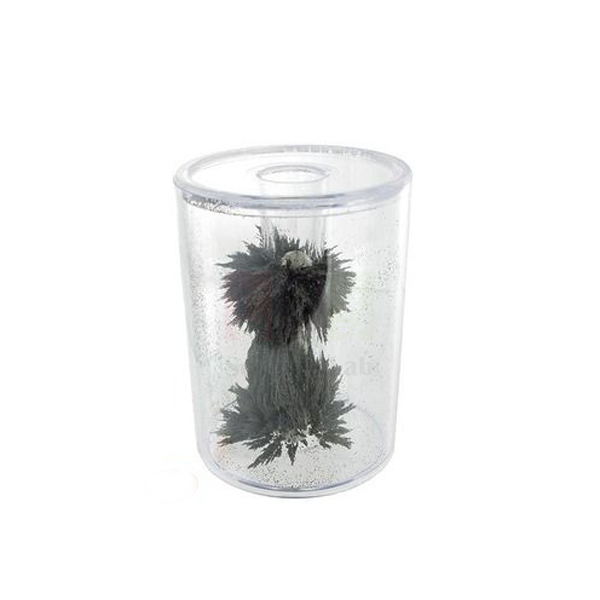
Magnetic Field Tube
Magnetic Field Tube (Product Code: SLE/MG/17) is a sealed plastic display cylinder filled with steel filings, used to show the three-dimensional shape of a magnetic field in school physics and science classrooms. Teachers slide the included alnico cylindrical magnet into the 1/2-inch hole through the centre, and students see the filings gather around it in 3-D rather than as a flat pattern on paper. It is supplied by Jain Scientific Equipments Pvt Ltd (ScienceLab), Ambala, India, for schools adding to their physics lab equipment in India.
Specifications
| Parameter | Detail |
|---|---|
| Purpose | 3-D demonstration of magnetic fields |
| Tube size | 4 in high x 3 in diameter |
| Construction | Sealed plastic display cylinder, scratch resistant |
| Contents of the tube | 1.3 oz of steel filings |
| Central hole | 1/2 in diameter, runs through the centre of the cylinder |
| Magnet | Alnico cylindrical magnet, included |
| Documentation | Multilingual activity booklet |
| Product code | SLE/MG/17 |
| Supplied by | Jain Scientific Equipments Pvt Ltd (ScienceLab), Ambala, India |
What Is the Magnetic Field Tube Used For?
Iron filings sprinkled on a sheet of paper only show one flat slice of a magnet's field. The Magnetic Field Tube lets a class see the whole field at once: turn the cylinder gently to spread the steel filings, then push the alnico magnet into the central hole. The filings crowd towards the poles and link up in curved chains that wrap around the magnet on every side, making it clear that a field fills the space around a magnet in all directions.
Use it after a flat iron-filings or plotting-compass activity so students can compare the two views, or pass it between groups while they sketch what they see from the side and from the ends. Because the filings stay sealed inside, there is nothing to spill or sweep up, and the multilingual activity booklet gives ready-made classroom activities. This makes it a tidy item for a magnetism experiment kit used across several classes.
Supplier
Jain Scientific Equipments Private Limited, which trades as ScienceLab, supplies the Magnetic Field Tube from Ambala, Haryana, to schools, colleges, dealers and institutions in India and international markets. It can be quoted on the same enquiry as the bar magnets, compasses and field demonstrators a magnetism lesson usually needs.
For vendor registration, the supplying company is Jain Scientific Equipments Private Limited (CIN U29309HR2020PTC087597, GSTIN 06AAECJ8618A1ZT). Background on the business is on our company profile.
Related Magnets
Items that work alongside the Magnetic Field Tube in a magnetic-fields lesson:
- Magnetic Field Demonstrator — a flat, sealed field viewer that also works on an overhead projector.
- Compass Plotting (Clear) — shows the direction of the field at each point around a magnet.
- Economy Alnico Bar Magnets — bar magnets for comparing field patterns on the bench.
- Device for Demonstrating Magnetic Field Lines — another way to display field lines to a group.
Browse the full Magnets range for more classroom magnetism products.
Frequently Asked Questions
What is included with the Magnetic Field Tube?
The Magnetic Field Tube (SLE/MG/17) comes as a sealed plastic cylinder holding 1.3 oz of steel filings, an alnico cylindrical magnet that fits its central hole, and a multilingual activity booklet with classroom activities.
How big is the Magnetic Field Tube?
The Magnetic Field Tube is 4 inches high and 3 inches in diameter, with a 1/2-inch hole running through its centre for the magnet. That size suits a teacher's bench demonstration and is easy to pass between small student groups.
Why use a sealed tube instead of loose iron filings?
The Magnetic Field Tube keeps its steel filings inside a sealed, scratch-resistant plastic cylinder, so a class can study a magnetic field without filings spilling on benches or clinging to magnets, and the same tube can be reused in later lessons.
How should the Magnetic Field Tube be stored?
Store the Magnetic Field Tube with the alnico magnet taken out of the central hole and kept away from computers, bank cards and other magnets. Wipe the plastic cylinder with a soft, dry cloth so the filings stay easy to see.
Who supplies the Magnetic Field Tube?
The Magnetic Field Tube is supplied by Jain Scientific Equipments Pvt Ltd, trading as ScienceLab, from Ambala, Haryana, India. The company serves schools, colleges, dealers and institutions and can quote the tube together with other magnetism teaching items.
Can the Magnetic Field Tube be ordered in bulk or for export?
Yes. ScienceLab quotes the Magnetic Field Tube for single schools, dealer orders and larger institutional purchases in India and international markets. Share the quantity and delivery city or port through the contact page or the enquiry cart.
Request a Quote
To get a price for the Magnetic Field Tube, send the number of tubes and your delivery location through our contact page, or add it to the enquiry cart with any other magnetism items you need.
Last updated: 24 September 2026

Magnetic Water Kit Class Set
Magnetic Water Kit Class Set (Product Code: SLE/MG/18) is a class pack of model water molecules with magnets set into their atom centres, used to teach polarity and hydrogen bonding in secondary and college chemistry lessons. The set holds 6 Magnetic Water Kits in a 6-cup pack with a carrying tray, so six groups can work with their own 3D science model kit at the same time. It is made by Jain Scientific Equipments Pvt Ltd (ScienceLab), an OEM manufacturer, at its own factory in Ambala, India.
Specifications
| Parameter | Detail |
|---|---|
| Contents | 6 Magnetic Water Kits and a carrying tray |
| Packing | 6-cup pack of model water molecules |
| Model design | Magnets embedded in the atom centres to simulate molecular attraction and repulsion |
| Topics covered | Polarity, hydrogen bonding, surface tension, solubility, states of matter, crystal structure |
| Product code | SLE/MG/18 |
| Manufacturer | Jain Scientific Equipments Pvt Ltd (ScienceLab) — OEM |
| Country of origin | India (made in Ambala, Haryana) |
What Is the Magnetic Water Kit Used For?
Water's unusual behaviour comes from its polarity: the oxygen end of each molecule carries a slight negative charge and the hydrogen ends a slight positive charge. In this kit the embedded magnets turn that idea into something students can feel. Turned one way, two model molecules snap together; turned another, they push apart. Groups quickly discover that a hydrogen of one molecule is drawn towards the oxygen of the next, which is the basis of hydrogen bonding.
From there the models support a sequence of lessons. Students can link molecules into an open, ordered arrangement to picture the crystal structure of ice, loosen them into a jumbled cluster for liquid water, and separate them completely for vapour. The same attraction helps explain surface tension and why water dissolves many ionic and polar substances. Keep a short worksheet with each cup so every group records what it observed.
OEM Manufacturer
Jain Scientific Equipments Private Limited, trading as ScienceLab, is the OEM manufacturer of the Magnetic Water Kit Class Set and produces it at its own licensed factory at Saha, Ambala, Haryana, India. Schools, colleges, dealers and importers therefore deal with the maker itself rather than a trading middleman.
If a model molecule or cup goes missing after a busy term, ask us about replacement parts or a repeat class set; these requests are handled by the manufacturer directly. Read more about the company on our company profile.
Related Laboratory Equipment
Other models and magnet items teachers use alongside the Magnetic Water Kit Class Set:
- Atom Molecular Models Set — builds other molecules to compare with water.
- Organic Chemistry Molecular Models Kits — extends model-building into organic chemistry.
- Molecular Model Set with 76 Plastic Spheres — a ball-and-stick set for bonding and shape lessons.
- Magnetic Activity Kit — introduces the magnetic attraction and repulsion the water models rely on.
See the complete Magnets category for more magnet-based teaching aids.
Frequently Asked Questions
What is included in the Magnetic Water Kit Class Set?
The Magnetic Water Kit Class Set (SLE/MG/18) contains 6 Magnetic Water Kits of model water molecules, packed as a 6-cup pack with a carrying tray, so the kits can be handed out to groups and collected again at the end of a lesson.
How do the magnets in the model molecules work?
Each model water molecule in the Magnetic Water Kit Class Set has magnets embedded in its atom centres. Students feel the molecules pull together or push apart depending on how they are turned, simulating the attraction and repulsion behind hydrogen bonding.
Which chemistry topics can the kit teach?
The Magnetic Water Kit Class Set supports lessons on polarity, hydrogen bonding, surface tension, solubility, states of matter and crystal structure. Teachers use it to connect what happens between molecules with the properties students observe in real water.
How many students can use one class set?
One Magnetic Water Kit Class Set provides 6 kits, so a class can be split into six groups working at the same time. For larger classes, order more than one class set, or ask us through the contact page to help plan quantities.
Who manufactures the Magnetic Water Kit Class Set?
The Magnetic Water Kit Class Set is manufactured by Jain Scientific Equipments Pvt Ltd (ScienceLab) as the OEM, at its own licensed factory in Saha, Ambala, Haryana, India, and is sold factory-direct to schools, colleges, dealers and importers.
How should the kits be stored between lessons?
Return the model molecules of the Magnetic Water Kit Class Set to their cups and the carrying tray after each lesson. Keep the set away from computers, bank cards and loose magnets, because the embedded magnets can affect them.
Can ScienceLab quote the class set for bulk or export orders?
Yes. ScienceLab quotes the Magnetic Water Kit Class Set direct from the manufacturer for single schools, dealer stock and institutional orders in India and international markets. Share the number of sets and the delivery city or port through the contact page.
Request a Quote
Quotations for the Magnetic Water Kit Class Set come straight from the manufacturer. Send the number of class sets and your delivery location through our contact page, or add the set to the enquiry cart with any other models you need.
Last updated: 24 September 2026
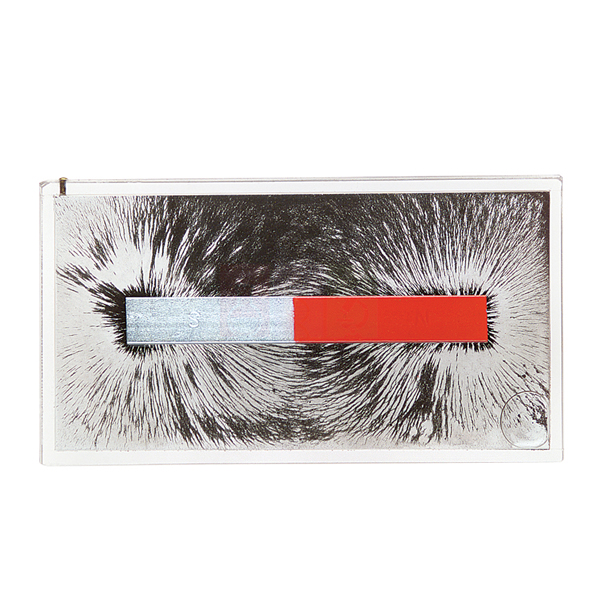
Magnetic Field Demonstrator
Magnetic Field Demonstrator (Product Code: SLE/MG/19) is a sealed, transparent acrylic chamber of fluid and fine iron filings, used to make magnetic lines of force visible in physics lessons without loose filings. At 12 cm × 22 cm × 1 cm it lies flat over a magnet or on an overhead projector, making it a demonstration model for the physics lab that a whole class can watch. It is made by Jain Scientific Equipments Pvt Ltd (ScienceLab), an OEM manufacturer, at its own factory in Ambala, India.
Specifications
| Parameter | Detail |
|---|---|
| Dimensions | 12 cm × 22 cm × 1 cm |
| Case | Transparent acrylic, permanently sealed |
| Contents | Fluid with fine iron filings |
| How it is used | Magnet placed beneath the demonstrator; field lines seen through the clear sides of the chamber |
| Projection | Can be set on an overhead projector to magnify the lines of force |
| Build | Rugged, flat design |
| Product code | SLE/MG/19 |
| Manufacturer | Jain Scientific Equipments Pvt Ltd (ScienceLab) — OEM |
| Country of origin | India (made in Ambala, Haryana) |
What Is the Magnetic Field Demonstrator Used For?
Put a bar magnet on the bench, lay the demonstrator over it, and the iron filings inside line up along the magnet's lines of force, crowding at the poles and curving from one end to the other. Because the filings sit in fluid inside a permanently sealed case, the pattern can be cleared and rebuilt as often as needed: gently tilt or shake the chamber to spread the filings again, then place it over the next arrangement.
Students gain most by trying several set-ups in turn — a single bar magnet, two magnets with like poles facing, two with unlike poles facing, and a horseshoe magnet — and sketching each field. For whole-class teaching, set the demonstrator on an overhead projector: the bright light magnifies the lines of force so they are clear even from the back row.
What to Specify When Ordering
- The number of demonstrators — one for the teacher's overhead projector, or one per bench group
- Any bar or horseshoe magnets you want quoted with it, since a magnet is placed beneath the demonstrator in use
- The delivery city or port for the quotation
OEM Manufacturer
ScienceLab is the trading name of Jain Scientific Equipments Private Limited, the OEM that builds the Magnetic Field Demonstrator at its own licensed factory at Saha, Ambala, Haryana, India. The company is a registered MSME manufacturer (Udyam UDYAM-HR-01-0003714), and its export consignments are shipped under Importer-Exporter Code AAECJ8618A issued by the DGFT.
Schools, colleges, dealers and importers buy the demonstrator factory-direct, so repeat orders and questions about the product go straight to the people who make it. More about us is on the company profile page.
Related Magnets
Magnets and aids to use with the Magnetic Field Demonstrator:
- Economy Alnico Bar Magnets — bar magnets to place beneath the demonstrator.
- Steel Horseshoe Magnet — shows the concentrated field between two close poles.
- Magnetic Field Tube — follows up with a three-dimensional view of a field.
- Compass Plotting (Clear) — confirms the direction of the field lines.
The Magnets category lists more magnets and magnetism apparatus.
Frequently Asked Questions
What size is the Magnetic Field Demonstrator?
The Magnetic Field Demonstrator measures 12 cm × 22 cm × 1 cm. Its slim, flat shape lets it rest over a magnet on a bench or sit on the glass of an overhead projector so the whole class can see the field.
Does the Magnetic Field Demonstrator come with a magnet?
The Magnetic Field Demonstrator is listed as the sealed chamber only, and it is used with a magnet placed beneath it. Add bar or horseshoe magnets to your quotation, or ask us through the contact page to confirm what is packed.
Why is it cleaner than iron filings on paper?
The Magnetic Field Demonstrator holds fine iron filings in fluid inside a permanently sealed acrylic case, so no filings spill on benches or stick to magnets, nothing needs sweeping up, and the same unit can be used lesson after lesson.
Can the demonstrator be used on an overhead projector?
Yes. The Magnetic Field Demonstrator is designed to be set on an overhead projector, where the bright light magnifies the lines of force and shows them clearly to a full classroom, including students seated at the back.
Who manufactures the Magnetic Field Demonstrator?
The Magnetic Field Demonstrator is manufactured by Jain Scientific Equipments Pvt Ltd (ScienceLab) as the OEM, at its own licensed factory in Saha, Ambala, Haryana, India, and supplied factory-direct to schools, colleges, dealers and importers.
What should I include in a quotation request?
For the Magnetic Field Demonstrator, state the number of units, any magnets to be quoted with it and the delivery city or port. ScienceLab supplies single schools, dealers and bulk institutional orders in India and international markets.
Request a Quote
Prices for the Magnetic Field Demonstrator are quoted direct by the manufacturer. Send your quantity and delivery details through our contact page, or add the demonstrator to the enquiry cart along with your magnets.
Last updated: 24 September 2026
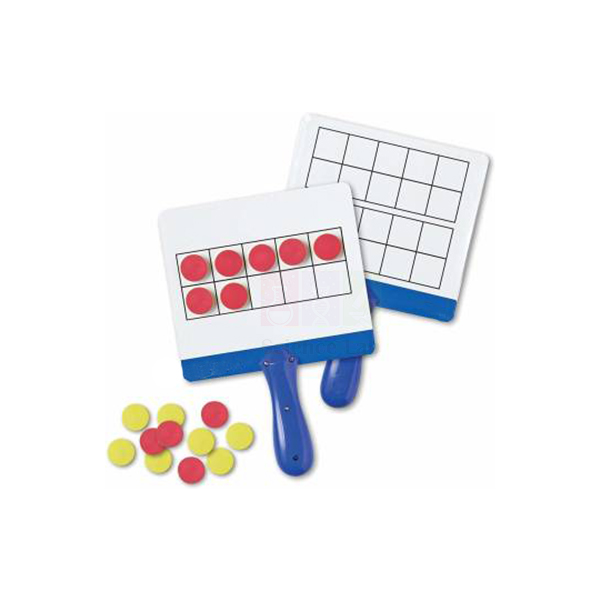
Magnetic Ten Frame Answer Boards
Magnetic Ten Frame Answer Boards (Product Code: SLE/MG/20) are double-sided, wipe-clean answer boards with foam magnetic counters, used to build early number skills in pre-primary and primary maths lessons. Each set has four boards measuring 18 cm × 16 cm, with a ten frame on one side and a double-ten frame on the reverse, plus 100 counters, making it a practical addition to mathematics lab kits in India. They are made by Jain Scientific Equipments Pvt Ltd (ScienceLab), an OEM manufacturer, at its own factory in Ambala, India.
Specifications
| Parameter | Detail |
|---|---|
| Set contents | 4 wipe-clean answer boards and 100 foam magnetic counters |
| Board size | 18 cm (L) × 16 cm (H) |
| Board layout | Double-sided: ten frame on one side, double-ten frame on the reverse |
| Surface | Wipe clean |
| Skills supported | Counting, one-to-one correspondence, number patterns, addition, subtraction and multiplication |
| Product code | SLE/MG/20 |
| Manufacturer | Jain Scientific Equipments Pvt Ltd (ScienceLab) — OEM |
| Country of origin | India (made in Ambala, Haryana) |
What Are Ten Frame Answer Boards Used For?
A ten frame is a simple grid of two rows of five boxes, and it helps young learners see numbers as quantities they can picture. The teacher asks a question — show seven, show two more than five, show how many make ten — and each child or pair places the foam counters on the board, then holds it up. Every answer is visible at a glance, so the teacher can spot who needs help without waiting for written work, and quieter learners take part as fully as confident ones.
The ten-frame side builds counting, one-to-one correspondence and number bonds within ten. Turn the board over to the double-ten frame for adding and subtracting across ten and for numbers up to twenty. Rows of counters can also show equal groups for early multiplication and repeating number patterns. After the lesson, wipe the boards clean and count the counters back into their container.
OEM Manufacturer
Jain Scientific Equipments Private Limited, trading as ScienceLab, is the OEM manufacturer of the Magnetic Ten Frame Answer Boards, which are made at the company's own licensed factory at Saha, Ambala, Haryana, India. Pre-schools, primary schools, education departments, dealers and importers can order them factory-direct.
Lost counters are common in busy classrooms; ask us about replacement counters or extra sets and the manufacturer will respond directly. Our company profile gives more background on ScienceLab.
Related Laboratory Equipment
Number and counting resources that pair well with these answer boards:
- Stacking Counters — extra counters for grouping and pattern work.
- Number Mat — a floor or desk mat for number-line activities.
- Base Ten Blocks — the next step from ten frames to place value.
- Integer Counters — two-colour counters for later work with positive and negative numbers.
These boards are listed in our Magnets category; more counting aids are in Maths Lab Equipment.
Frequently Asked Questions
What is included in a set of Magnetic Ten Frame Answer Boards?
A set of Magnetic Ten Frame Answer Boards (SLE/MG/20) includes four wipe-clean, double-sided answer boards and 100 foam magnetic counters, enough for four children or pairs to show their answers at the same time.
What size are the answer boards?
Each Magnetic Ten Frame Answer Board measures 18 cm long by 16 cm high. That size is easy for a young child to hold up above the desk so the teacher can check the answer from the front of the room.
What is printed on each side of the board?
The Magnetic Ten Frame Answer Boards are double-sided, with a ten frame on one side and a double-ten frame on the reverse. Use the ten frame for numbers within ten and the double-ten frame for work across ten.
Which maths skills do the boards support?
Magnetic Ten Frame Answer Boards support counting, one-to-one correspondence, number patterns, addition, subtraction and multiplication. They also encourage every learner to take part, because each child places counters and holds up an answer.
Who manufactures the Magnetic Ten Frame Answer Boards?
The Magnetic Ten Frame Answer Boards are manufactured by Jain Scientific Equipments Pvt Ltd (ScienceLab) as the OEM, at its own licensed factory in Saha, Ambala, Haryana, India, and are supplied direct to schools, dealers and importers.
How do I order boards for a whole class?
Each set of Magnetic Ten Frame Answer Boards serves four children or pairs, so divide your class size accordingly and tell us the number of sets and delivery location. ScienceLab quotes single schools and bulk orders in India and international markets.
Request a Quote
Quotations for the Magnetic Ten Frame Answer Boards come directly from the manufacturer. Share the number of sets and your delivery details on our contact page, or add them to the enquiry cart with other maths resources.
Last updated: 24 September 2026
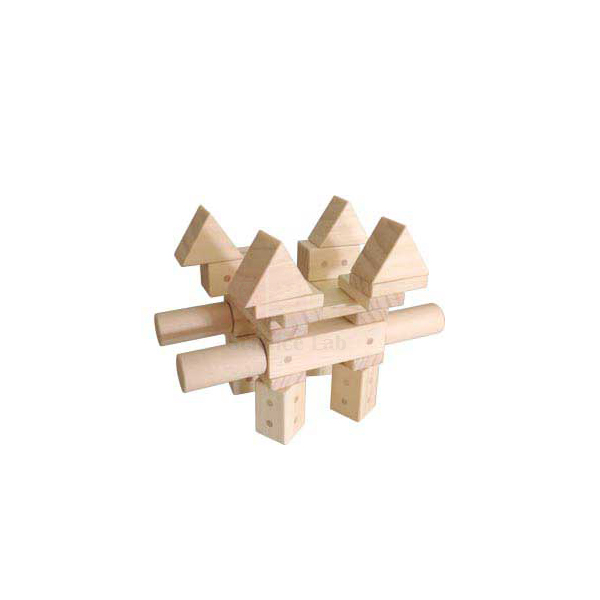
Magnetic Wooden Blocks
Magnetic Wooden Blocks (Product Code: SLE/MG/21) are wooden building blocks with magnets hidden inside, used in pre-primary and early-years classrooms to combine construction play with a first look at how magnets behave. The set holds 30 blocks in six shapes, the large rectangle measuring 10 cm × 3 cm, and every magnet is fully covered by wood, which suits a hands-on preschool science kit. They are made by Jain Scientific Equipments Pvt Ltd (ScienceLab), an OEM manufacturer, at its own factory in Ambala, India.
Specifications
| Parameter | Detail |
|---|---|
| Set contents | 30 wooden blocks |
| Shapes | Six different shapes |
| Large rectangle | L 10 cm × W 3 cm |
| Magnets | Covered by wood, giving each block a clean, natural finish |
| Learning focus | Imaginative design and construction play; introduction to magnets |
| Product code | SLE/MG/21 |
| Manufacturer | Jain Scientific Equipments Pvt Ltd (ScienceLab) — OEM |
| Country of origin | India (made in Ambala, Haryana) |
What Are Magnetic Wooden Blocks Used For?
Children build with these blocks exactly as they would with ordinary wooden bricks — towers, bridges, houses and patterns — but soon notice that some faces cling together while others seem to push away. That surprise is the starting point for talking about attraction and repulsion. Ask the group which sides stick, whether turning a block round changes what happens, and how tall a tower can grow before it topples.
The six shapes also support early maths talk: sorting by shape, comparing lengths against the large rectangle, and copying or continuing simple patterns. With the magnets concealed in wood, the set has a calm, natural look that fits Montessori-style and play-based rooms. Supervise young children during play, count the 30 blocks back after each session, and set aside any block that becomes damaged.
OEM Manufacturer
The Magnetic Wooden Blocks are produced by Jain Scientific Equipments Private Limited, trading as ScienceLab, as the OEM, at the company's own licensed factory at Saha, Ambala, Haryana, India. Kindergartens, pre-schools, dealers and importers buy them straight from the manufacturer instead of through a trader.
Planning to equip several classrooms, or need a repeat order next term? Ask us and the manufacturer will quote directly. Our company profile has more about ScienceLab.
Related Magnets
Early-years magnet and shape resources to use with the blocks:
- Early Magnetism Kit — more first-magnet activities for young learners.
- Magnetic Wands — colourful wands for picking up and sorting objects.
- Eco Magnetic Polydron Class Set — magnetic triangles and squares for building shapes.
- Attribute Blocks — for sorting and classifying by shape.
Explore the Magnets category for more magnetism resources.
Frequently Asked Questions
How many blocks are in the Magnetic Wooden Blocks set?
The Magnetic Wooden Blocks set (SLE/MG/21) contains 30 wooden blocks in six different shapes, enough for a small group of children to build together during a construction or science play session.
What size are the blocks?
In the Magnetic Wooden Blocks set, the large rectangle measures 10 cm long by 3 cm wide. Sizes of the other shapes are not listed on this page, so ask us through the contact page if you need them.
Are the magnets exposed?
No. In the Magnetic Wooden Blocks the magnets are covered by wood, which gives each block a clean, natural look. Adults should still supervise young children and check the blocks regularly, removing any that become damaged.
What do children learn from Magnetic Wooden Blocks?
Magnetic Wooden Blocks encourage imaginative play through design and construction while introducing magnets: children discover that blocks attract or repel depending on how they are turned, and practise sorting, comparing and patterning with the six shapes.
Who manufactures the Magnetic Wooden Blocks?
The Magnetic Wooden Blocks are manufactured by Jain Scientific Equipments Pvt Ltd (ScienceLab) as the OEM, at its own licensed factory in Saha, Ambala, Haryana, India, and supplied factory-direct to schools, dealers and importers.
Can ScienceLab supply several sets for a school or dealer?
Yes. ScienceLab quotes Magnetic Wooden Blocks for single classrooms, whole schools and dealer orders in India and international markets. Tell us the number of sets and the delivery city or port through the contact page or enquiry cart.
Request a Quote
To get a manufacturer's quotation for the Magnetic Wooden Blocks, send your quantity and delivery details via our contact page, or add the set to the enquiry cart together with other early-years items.
Last updated: 24 September 2026
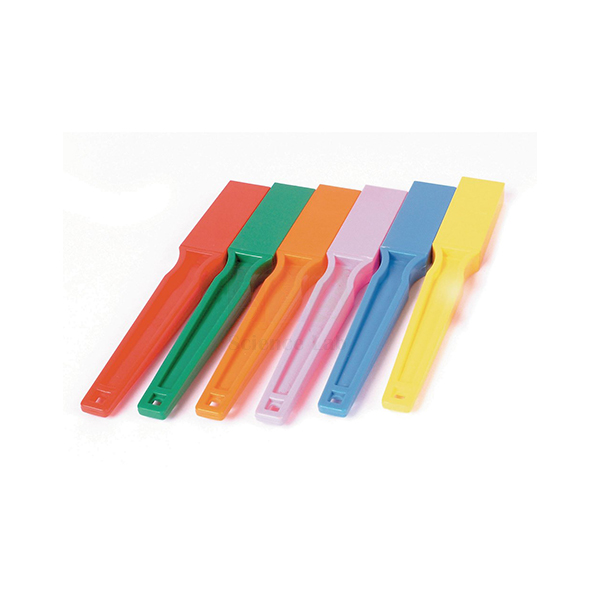
Magnetic Wands
Magnetic Wands (Product Code: SLE/MG/22) are brightly coloured magnetic wands used by young children to pick up, sort and move magnetic items during early science and number activities. Each pack contains six 190 mm wands — one each in red, blue, green, yellow, orange and purple — designed to be used with metallic chips and magnetic marbles as part of a hands-on science kit for primary school. They are made by Jain Scientific Equipments Pvt Ltd (ScienceLab), an OEM manufacturer, at its own factory in Ambala, India.
Specifications
| Parameter | Detail |
|---|---|
| Pack contents | 6 magnetic wands |
| Colours | 1 each of red, blue, green, yellow, orange and purple |
| Dimensions | 190 mm |
| Used with | Metallic chips and magnetic marbles |
| Product code | SLE/MG/22 |
| Manufacturer | Jain Scientific Equipments Pvt Ltd (ScienceLab) — OEM |
| Country of origin | India (made in Ambala, Haryana) |
What Are Magnetic Wands Used For?
Magnetic wands give small hands an easy way to explore what a magnet will and will not pick up. Spread a mix of metallic chips, magnetic marbles and everyday classroom objects on a tray, and let children test each one, sorting the finds into "attracted" and "not attracted" piles. They can then try picking items up through a sheet of paper or the side of a plastic cup, and discover that magnetism works through some materials.
Because every wand in the pack is a different colour, six children or groups can each have their own, which makes turn-taking and group roles simple. Wands also bring counting into science: how many chips can you lift at once, and which wand collected the most? Keep the wands away from computers and bank cards, and store them in their pack after use.
OEM Manufacturer
Jain Scientific Equipments Private Limited, known by its trading name ScienceLab, manufactures the Magnetic Wands as the OEM at its own licensed factory at Saha, Ambala, Haryana, India. Schools, nurseries, dealers and importers can buy from the maker itself, with no trading layer in between.
For extra packs or a repeat order for more classrooms, ask us — the manufacturer handles these requests directly. You can read about the company on our company profile.
Related Magnets
Products that extend a magnetic wand activity:
- Early Magnetism Kit — a larger class kit that includes wands and magnetic marbles.
- Neodymium Wand — acrylic wands fitted with neodymium magnets for stronger attraction.
- Magnetic Wooden Blocks — construction play that introduces attraction and repulsion.
- Magnet Set of 4 — bar and horseshoe magnets for older learners to compare.
See all products in the Magnets category.
Frequently Asked Questions
How many Magnetic Wands are in a pack?
A pack of Magnetic Wands (SLE/MG/22) contains six wands, one each in red, blue, green, yellow, orange and purple, so six children or groups can each work with their own colour during a magnet activity.
What size are the Magnetic Wands?
The listed dimension of each Magnetic Wand is 190 mm, a comfortable size for young children to hold and sweep over a tray of chips or marbles. Ask us through the contact page if you need any other measurements.
What are Magnetic Wands used with?
Magnetic Wands are designed to be used with metallic chips and magnetic marbles. Children can also test classroom objects to find out which materials a magnet attracts, making the wands a simple first magnetism activity.
Why do the wands come in different colours?
The six colours in each pack of Magnetic Wands make it easy to give every child or group its own wand, organise turn-taking and link science with colour recognition and counting games in early-years lessons.
Who manufactures the Magnetic Wands?
The Magnetic Wands are manufactured by Jain Scientific Equipments Pvt Ltd (ScienceLab) as the OEM, at its own licensed factory in Saha, Ambala, Haryana, India, and supplied factory-direct to schools, dealers and importers.
Can Magnetic Wands be ordered in bulk?
Yes. ScienceLab quotes Magnetic Wands by the pack for single classrooms, whole schools, dealers and importers in India and international markets. Send the number of packs and your delivery city or port through the contact page.
Request a Quote
Quotes for the Magnetic Wands come straight from the manufacturer. Share your required number of packs on our contact page, or place them in the enquiry cart with other magnet resources.
Last updated: 24 September 2026
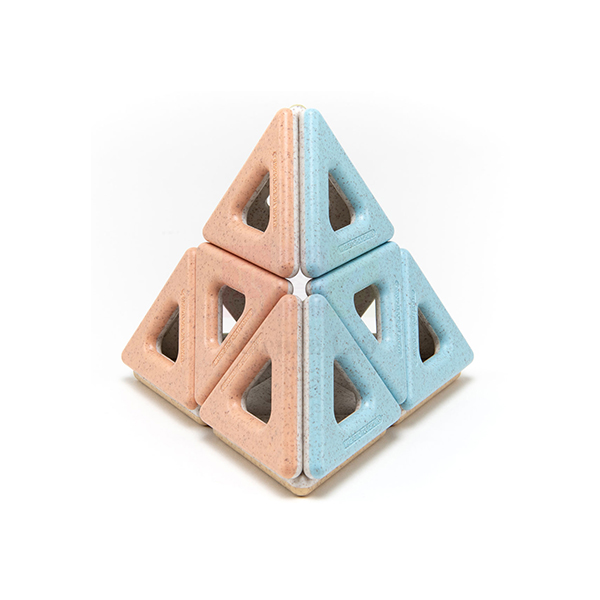
Eco Magnetic Polydron Class Set
Eco Magnetic Polydron Class Set (Product Code: SLE/MG/23) is a 72-piece set of magnetic triangles and squares used to teach children to build their first 2D shapes and 3D solids in primary maths lessons. Designed for whole-class use, it holds 36 equilateral triangles and 36 squares made from 30% eco material, and it is a useful addition to mathematics lab kits in India. It is supplied by Jain Scientific Equipments Pvt Ltd (ScienceLab), Ambala, India.
Specifications
| Parameter | Detail |
|---|---|
| Pieces | 72 in total: 36 equilateral triangles and 36 squares |
| Material | Made from 30% eco material |
| Colours | 4 colours, with a neutral colour on the reverse |
| Connection | Magnetic pieces |
| Compatibility | Compatible with all existing Magnetic Polydron sets |
| Intended use | Whole-class 2D and 3D shape building |
| Product code | SLE/MG/23 |
| Supplied by | Jain Scientific Equipments Pvt Ltd (ScienceLab), Ambala, India |
What Is the Eco Magnetic Polydron Class Set Used For?
Children begin by laying pieces flat to make 2D shapes and patterns, then discover that the same pieces fold up into solids. Six squares close into a cube; four triangles make a tetrahedron; eight triangles form an octahedron; four triangles around one square give a square-based pyramid; and two triangles with three squares build a triangular prism. Opening a solid back out shows its net, which is often the hardest idea for young learners to picture.
Once a solid is built, ask groups to count its faces, edges and vertices and record them in a table, or to find as many different nets of a cube as they can. The four colours, with a neutral reverse, help with symmetry and pattern tasks. With 72 pieces the set can be shared across several tables in one lesson.
What to Specify When Ordering
- The number of class sets, bearing in mind each set has 72 pieces
- Whether the pieces will be combined with Magnetic Polydron sets the school already owns, since they are compatible
- Any other shape resources you want on the same quotation
Supplier
Jain Scientific Equipments Private Limited, which trades as ScienceLab, supplies the Eco Magnetic Polydron Class Set from Ambala, Haryana, to primary schools, education departments, dealers and institutions in India and international markets. Buyers can combine it with other maths and magnetism resources on one enquiry.
For more on who we are and how we work, see our company profile.
Related Laboratory Equipment
Shape and construction resources that complement this class set:
- Geometric Shapes Building Set — another construction set for shape work.
- Wooden Geometric Solids — ready-made solids to compare with the models children build.
- Folding Geometric Shapes — a further hands-on resource for 3D shape lessons.
- Magnetic Wooden Blocks — magnetic building play for younger children.
This set sits in our Magnets category; more geometry resources are in Maths Lab Equipment.
Frequently Asked Questions
What does the Eco Magnetic Polydron Class Set contain?
The Eco Magnetic Polydron Class Set (SLE/MG/23) contains 72 magnetic pieces: 36 equilateral triangles and 36 squares. They come in 4 colours with a neutral colour on the reverse and are intended for whole-class use.
Is it compatible with other Magnetic Polydron sets?
Yes. The pieces in the Eco Magnetic Polydron Class Set are compatible with all existing Magnetic Polydron sets, so a school can add this class set to the pieces it already owns and build larger models.
What does "eco" mean for this set?
The pieces of the Eco Magnetic Polydron Class Set are made from 30% eco material. The description does not give further detail on the material, so ask us through the contact page if your purchasing policy needs more information.
Which 3D shapes can children build with it?
With the Eco Magnetic Polydron Class Set, children can build cubes from squares, tetrahedra and octahedra from triangles, and square-based pyramids and triangular prisms from both, then open them out to study their nets.
Who supplies the Eco Magnetic Polydron Class Set?
The Eco Magnetic Polydron Class Set is supplied by Jain Scientific Equipments Pvt Ltd, trading as ScienceLab, from Ambala, Haryana, India, to schools, dealers and institutions in India and international markets.
What details do you need for a quotation?
To quote the Eco Magnetic Polydron Class Set, tell us the number of class sets, any other maths items to include and the delivery city or port. Send the request through the contact page or add the set to the enquiry cart.
Request a Quote
For a price on the Eco Magnetic Polydron Class Set, send your quantity and delivery details through our contact page, or add it to the enquiry cart alongside other shape resources.
Last updated: 24 September 2026
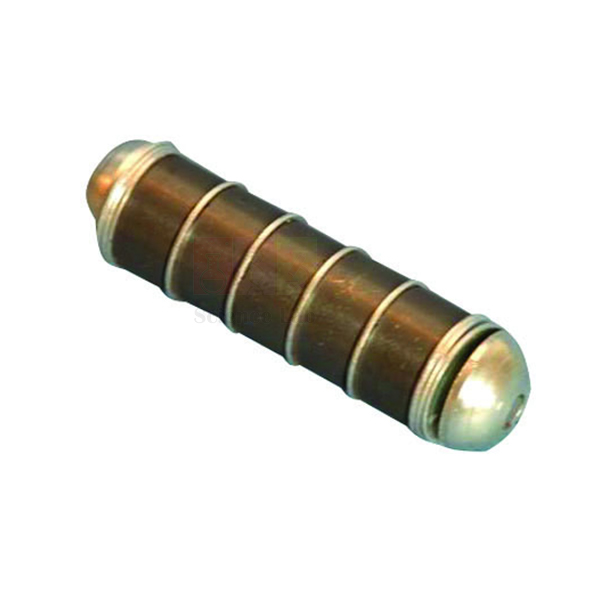
Magnetic Activity Kit
Magnetic Activity Kit (Product Code: SLE/MG/24) is a compact set of ferrite magnets and fittings used to demonstrate magnetic poles, levitation by repulsion and field strength in middle- and secondary-school science lessons. It contains 5 anisotropic ferrite magnets, a rod, screw-on caps and washers, with instructions, making it an easy-to-use magnetism experiment kit for Indian classrooms. It is made by Jain Scientific Equipments Pvt Ltd (ScienceLab), an OEM manufacturer, at its own factory in Ambala, India.
Specifications
| Parameter | Detail |
|---|---|
| Magnets | 5 anisotropic ferrite magnets |
| Other parts | Rod, screw-on caps and washers |
| Instructions | Included |
| Demonstrations | N and S poles; levitation by repulsion; strength and distance; making a stronger magnetic field; magnetic fields through liquids, solids and gases |
| Product code | SLE/MG/24 |
| Manufacturer | Jain Scientific Equipments Pvt Ltd (ScienceLab) — OEM |
| Country of origin | India (made in Ambala, Haryana) |
What Is the Magnetic Activity Kit Used For?
The kit walks students through the core ideas of magnetism with one small set of parts. They first identify the N and S pole of each magnet, then arrange the magnets on the rod with like poles facing so that each one hovers above the next — levitation by repulsion — with the screw-on caps keeping everything on the rod. Adding or removing magnets and watching the gaps change leads naturally into how magnetic force weakens with distance.
Stacking magnets together shows how to make a stronger magnetic field, and simple tests through water, a sheet of card or plain air show that magnetic fields pass through liquids, solids and gases. Anisotropic ferrite magnets are magnetised along a preferred direction, which gives them a strong pull for their size, but ferrite is brittle, so handle the magnets gently and do not let them snap together.
OEM Manufacturer
ScienceLab, the trading name of Jain Scientific Equipments Private Limited, is the OEM manufacturer of the Magnetic Activity Kit and assembles it at the company's own licensed factory at Saha, Ambala, Haryana, India. Schools, science centres, dealers and importers buy the kit directly from the manufacturer.
If a magnet chips or a cap goes missing, ask us about spares; replacement-part and repeat-order enquiries are handled by the manufacturer itself. See our company profile for more about the business.
Related Magnets
Magnets and aids that build on the activities in this kit:
- Magnets, Ring — ceramic ring magnets for floating-magnet experiments.
- Super Floating Magnets Set — for comparing the strength of different magnets.
- Economy Magnet Kit — a boxed starter set with bar, horseshoe and donut magnets.
- Compass Plotting (Clear) — helps students confirm which end is the N pole.
More magnetism apparatus is listed in the Magnets category.
Frequently Asked Questions
What is included in the Magnetic Activity Kit?
The Magnetic Activity Kit (SLE/MG/24) contains 5 anisotropic ferrite magnets, a rod, screw-on caps and washers, together with instructions that guide students through each magnetism demonstration.
What does "anisotropic ferrite" mean?
The magnets in the Magnetic Activity Kit are anisotropic ferrite, a ceramic magnet material magnetised along a preferred direction during production. This gives a stronger pull for its size than non-oriented ferrite, but the material is brittle and should not be dropped.
Which experiments can students do with the kit?
The Magnetic Activity Kit demonstrates N and S poles, levitation by repulsion, the link between magnetic strength and distance, how to make a stronger magnetic field, and how magnetic fields pass through liquids, solids and gases.
How is levitation by repulsion shown?
In the Magnetic Activity Kit, magnets are arranged on the rod with like poles facing, so each one pushes against the next and hovers in the air. The screw-on caps keep the magnets on the rod during the demonstration.
Who manufactures the Magnetic Activity Kit?
The Magnetic Activity Kit is manufactured by Jain Scientific Equipments Pvt Ltd (ScienceLab) as the OEM, at its own licensed factory in Saha, Ambala, Haryana, India, and supplied factory-direct to schools, dealers and importers.
How should the kit be stored?
Store the Magnetic Activity Kit with its magnets kept apart, away from computers, bank cards and other magnets. Avoid letting the ferrite magnets snap together, as the impact can chip their edges.
Can the kit be quoted for a whole school or for export?
Yes. ScienceLab quotes the Magnetic Activity Kit direct from the manufacturer for single classes, whole schools, dealers and importers in India and international markets. Share the number of kits and delivery city or port via the contact page.
Request a Quote
Quotations for the Magnetic Activity Kit come straight from the manufacturer. Tell us how many kits you need through our contact page, or add the kit to the enquiry cart with other magnetism items.
Last updated: 24 September 2026