- Physics Lab Equipment
- Chemistry Lab Equipment
- Biology Lab Equipment
- Anatomical Lab Equipment
- Learning
- Educational Lab Equipment
- Magnets
- Agriculture
- Astronomy
- Earth Science
- Geography Lab Equipment
- Safety Lab Coat
- Laboratory
- Meteorological
- Electricity & Magnetism
- Heat
- School Lab Equipment
- Lab Glassware
- Science Lab Equipment
- Tvet Lab Equipment
- Robotics Kits Supplier and Manufacturer for Schools India
- Math Lab Equipment Manufacturers and Exporters in Ambala
- STEM Kits Manufacturers and Supplier India
- Engineering Lab Equipment
- Hospital Lab Equipment
- Water, Sanitation & Hygiene Supplies
- Cold Chain, Solar & Communication Equipment
- Nutrition
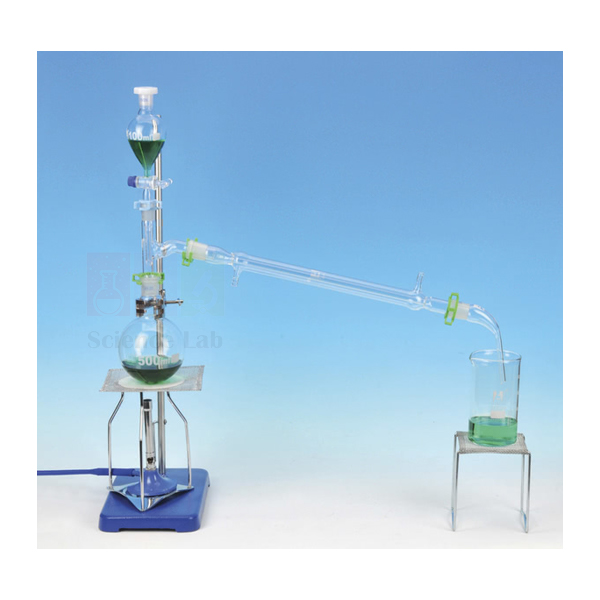
Distillation Apparatus
The Distillation Apparatus (Product Code: SLE/CH/118) is a borosilicate glass distilling set with 19/26 ground joints, built around a 500 ml round-bottom boiling flask, a still head, a Liebig condenser and a receiver adapter, plus a separating funnel with stopper. It gives schools and colleges everything in glass that is needed to heat a liquid mixture, condense the vapour and collect a purified distillate. Manufactured by Jain Scientific Equipments Pvt Ltd (ScienceLab), Ambala, it is a straightforward choice for institutions looking for laboratory distillation apparatus in India.
Specifications
| Parameter | Detail |
|---|---|
| Material | Borosilicate glass |
| Joint size | 19/26 |
| Boiling flask | Round-bottom, 500 ml |
| Other components | Separating funnel with stopper, still head, Liebig condenser, receiver adapter |
| Weight | 1.5 kg |
| Not included | Glass beaker and metal stands |
Typical Use
In a simple distillation practical, the 500 ml flask is clamped above a heat source and part-filled with the mixture, with a few anti-bumping granules added for smooth boiling. The still head directs vapour into the Liebig condenser, cooling water enters at the lower hose connection and leaves from the upper one, and the receiver adapter guides the condensed liquid into a beaker or flask. Students use this arrangement to obtain pure water from salt solution, to show that dissolved solids stay behind, and to separate liquids with clearly different boiling points. The separating funnel with stopper can be used to separate immiscible liquid layers, for example when a distillate forms two phases.
Because the set is supplied without stands, plan for a retort stand and clamps to support both the flask and the condenser. A thermometer is not listed among the components, so check how you will fit one if the practical records boiling temperature. Never heat a sealed system, lightly grease the 19/26 joints to stop them seizing, and allow the glass to cool before dismantling. Borosilicate glassware India labs rely on tolerates repeated heating well, but it should still be warmed gradually and kept away from sudden cold drafts or water splashes.
Manufacturer
This apparatus is manufactured by Jain Scientific Equipments Private Limited, which trades as ScienceLab and is based in Ambala, Haryana, India. The company produces glassware assemblies and teaching apparatus for chemistry laboratories. Our company profile explains more about the business.
Related Chemistry Lab Equipment
Items needed to set up and run the distillation, since stands and a beaker are not included:
- Retort Stand — supports the boiling flask and condenser
- Universal Clamp — holds the flask neck and condenser securely on the stand
- Heating Mantle — even, flame-free heating for a round-bottom flask
- Glass Beaker — collects the distillate at the receiver adapter
- Fractional Distillation Assembly — for mixtures whose boiling points are too close for simple distillation
See the full Chemistry Lab Equipment category for more glassware and supports.
Frequently Asked Questions
What is included in the set?
A 500 ml round-bottom boiling flask, a separating funnel with stopper, a still head, a Liebig condenser and a receiver adapter, all in borosilicate glass.
Are the stands and collecting beaker supplied?
No. The apparatus is supplied without a glass beaker and without metal stands, so order these separately if your lab does not already have them.
Will it connect to other glassware I already own?
The joints are 19/26, so it will mate with other 19/26 ground-glass components.
Which heat source should I use?
A heating mantle suits the round-bottom flask and is the safer choice for flammable liquids; for water-based mixtures, a burner with gauze or a water bath may also be used.
Is a thermometer included?
A thermometer is not part of the listed components. Ask us through our contact page if you need one matched to the still head.
Can individual parts be replaced if one breaks?
Please tell us which component you need; single items such as a Liebig condenser are also part of our range.
How heavy is it for shipping?
The set weighs 1.5 kg. We pack glassware for delivery across India and to international markets; share your destination for a shipping quote.
Request a Quote
Ask for a quotation on the Distillation Apparatus through our contact page, or add it to the enquiry cart together with stands, clamps and a heat source.
Last updated: 24 September 2026
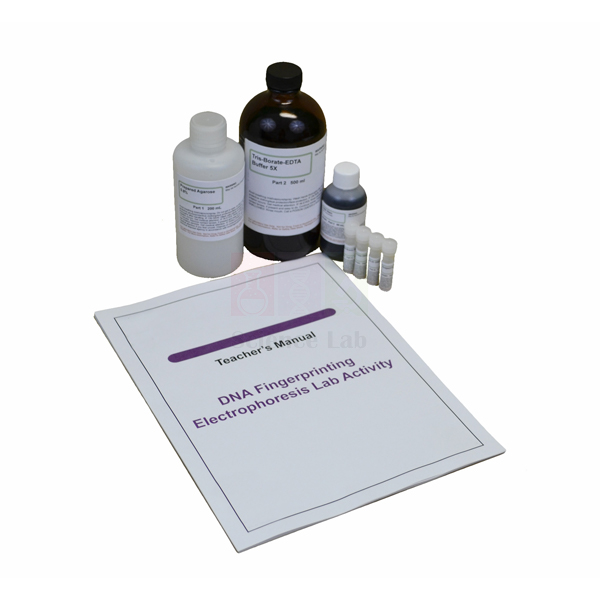
DNA Fingerprinting Electrophoresis Lab Activity
DNA Fingerprinting Electrophoresis Lab Activity (Product Code: SLE/CH/119) is a forensic biotechnology kit used to run agarose gel electrophoresis on four DNA samples and decide whether a suspect's DNA matches DNA found at a crime scene, in school and college labs. It serves 8 groups, includes a Teacher’s Guide and Student Study copymasters, and also teaches how restriction enzymes make DNA fingerprinting possible. It is supplied by Jain Scientific Equipments Pvt Ltd (ScienceLab), Ambala, India, as a gel electrophoresis kit for classrooms in India and abroad.
Specifications
| Parameter | Detail |
|---|---|
| Technique | Agarose gel electrophoresis |
| Crime Scene DNA | 10 µg |
| Victim DNA | 10 µg |
| Suspect #1 DNA | 10 µg |
| Suspect #2 DNA | 10 µg |
| Agarose | 200 mL prepared agarose 0.8% solution |
| Running buffer | 500 mL Tris-Borate-EDTA buffer, 5X |
| Stain | 60 mL DNA stain |
| Group capacity | Enough materials for 8 groups |
| Printed resources | Teacher’s Guide and Student Study copymasters |
| Shelf life | Depends on the chemical, its grade and storage conditions; ask us for the expiry date of the batch you are quoted |
| Product code | SLE/CH/119 |
| Supplied by | Jain Scientific Equipments Pvt Ltd (ScienceLab), Ambala, India |
What Is the DNA Fingerprinting Electrophoresis Kit Used For?
It puts students in the role of forensic analysts. The prepared 0.8% agarose solution is melted and poured into a casting tray with a comb to form wells, and the 5X Tris-Borate-EDTA concentrate is diluted to running strength as the Teacher’s Guide describes. Each group loads the crime scene, victim and two suspect samples into neighbouring wells and runs the gel; after staining, the fragments show as bands, and students compare each suspect's pattern with the crime-scene pattern to reach a conclusion.
Along the way, learners see how restriction enzymes cut DNA at specific sequences, why the resulting fragment patterns differ between individuals, and how evidence should be interpreted responsibly. The contents list does not include a gel tank, a power supply or a micropipette, so arrange these before the lesson. Wear gloves when handling gels and stain, and follow the disposal guidance provided; as a biotechnology lab kit in India it links neatly to forensic science topics.
Supplier
This activity is supplied by Jain Scientific Equipments Private Limited, which trades as ScienceLab from Ambala, Haryana, India, and sources reagent-based teaching kits for schools, colleges and distributors. For vendor registration, the supplying company is Jain Scientific Equipments Private Limited (CIN U29309HR2020PTC087597, GSTIN 06AAECJ8618A1ZT). See our company profile for more.
Related Chemistry Lab Equipment
Equipment and consumables needed to run the gels:
- Double Gel Electrophoresis Apparatus — a tank for casting and running agarose gels
- Electrophoresis Power Supply — provides the voltage that drives DNA through the gel
- Pipette Tip White 2-20 ul — tips for loading small sample volumes with a micropipette
- Electrophoresis: Agarose Gel Separation of Dyes — a practice run with visible dyes before working with DNA
- DNA Forensics Lab Investigation — a scenario-based follow-up with materials for up to 40 students
More investigation kits are listed in our Chemistry Lab Equipment category.
Frequently Asked Questions
What does the DNA Fingerprinting Electrophoresis Lab Activity contain?
The DNA Fingerprinting Electrophoresis Lab Activity contains four 10 µg DNA samples (crime scene, victim, suspect #1 and suspect #2), 200 mL prepared agarose 0.8% solution, 500 mL Tris-Borate-EDTA buffer 5X, 60 mL DNA stain, a Teacher’s Guide and Student Study copymasters.
How many groups can it serve?
The DNA Fingerprinting Electrophoresis Lab Activity has enough materials for 8 groups, so a class can be split into small teams, each loading and running its own set of crime scene, victim and suspect samples.
Is the electrophoresis equipment included?
No. The DNA Fingerprinting Electrophoresis Lab Activity covers samples, gel, buffer, stain and printed guides; a gel tank, power supply and micropipette are not in its contents list and must be arranged separately or quoted with the kit.
How is the 5X buffer used?
The Tris-Borate-EDTA buffer in the DNA Fingerprinting Electrophoresis Lab Activity is a 5X concentrate. Dilute it to running strength as the Teacher’s Guide describes before casting the gels and filling the tank.
What is the shelf life of the DNA samples and reagents?
The shelf life of the DNA Fingerprinting Electrophoresis Lab Activity depends on the reagents and samples, their grade and storage conditions; ask us for the expiry date of the batch you are quoted and follow the storage instructions supplied with the kit.
Who supplies the DNA Fingerprinting Electrophoresis Lab Activity?
Jain Scientific Equipments Private Limited, trading as ScienceLab in Ambala, Haryana, India, supplies the DNA Fingerprinting Electrophoresis Lab Activity to schools, colleges and distributors in India and international markets, and can quote gel tanks and power supplies alongside it.
What should an institutional quotation request include?
For the DNA Fingerprinting Electrophoresis Lab Activity, give the product code SLE/CH/119, the number of kits, whether you also need tanks, power supplies or pipette tips, and your delivery location in India or abroad.
Request a Quote
Request pricing for the DNA Fingerprinting Electrophoresis Lab Activity through our contact page, or add it to the enquiry cart with a gel tank and power supply.
Last updated: 24 September 2026
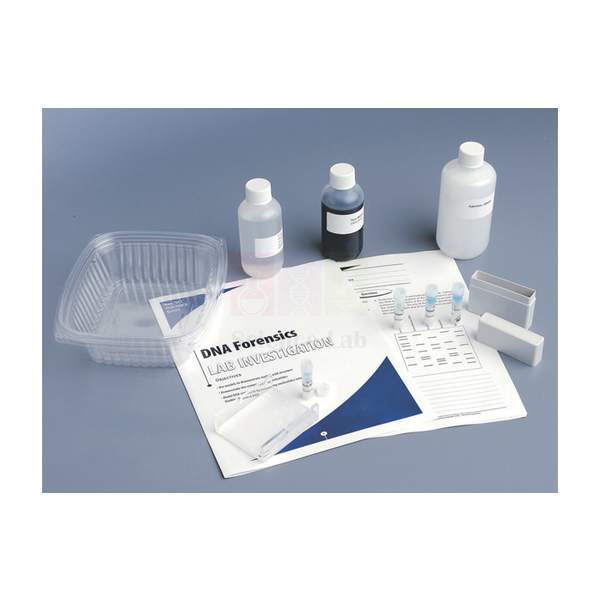
DNA Forensics Lab Investigation
The DNA Forensics Lab Investigation (Product Code: SLE/CH/120) explores how DNA technology is used to solve crimes. Students act as forensic scientists in a scenario-based DNA murder mystery, comparing the electrophoretic results of DNA samples from a “crime scene” with those from several suspects and using the fragment patterns on the gel to identify the culprit. With materials for up to 40 students, this genetics experiment kit India teachers can run with a whole class also opens a discussion about the ethics of powerful new technology. It is supplied by Jain Scientific Equipments Pvt Ltd (ScienceLab), Ambala.
Key Details
| Parameter | Detail |
|---|---|
| Theme | DNA technology in crime solving |
| Scenario | DNA murder mystery with a crime scene and suspects |
| Class size | Materials for up to 40 students |
| Core procedure | Simplified DNA fingerprinting; comparison of electrophoretic results |
| Concepts covered | DNA structure and extraction, gel electrophoresis, autoradiography, and why DNA fingerprinting is so accurate |
| Discussion element | Ethical considerations of using cutting-edge DNA technology |
Typical Use
A typical sequence starts with the case file: a crime has been committed, DNA has been recovered from the scene, and samples are available from the suspects. Before any analysis, students review how DNA is structured and how it is extracted from cells, then follow the simplified fingerprinting procedure and study the fragment patterns revealed on the gel. By lining up the crime-scene pattern against each suspect, they reach a verdict and explain which bands support it. Autoradiography is introduced as part of how fragment patterns have been visualised in forensic laboratories.
The closing discussion is what sets this activity apart. Groups debate questions such as who should hold DNA records, how evidence could be misused and how much weight a jury should give a match. Mixing hands-on analysis with this debate makes it suitable for biology, chemistry and general-studies classes alike. For schools building up an electrophoresis kit school India programme, it works well as the scenario lesson that follows a technique-focused practical.
Supplier
The DNA Forensics Lab Investigation is supplied by Jain Scientific Equipments Private Limited, the company behind the ScienceLab name, located in Ambala, Haryana, India. It manufactures teaching apparatus and supplies investigation kits to schools, colleges and distributors. Details are on our company profile.
Related Chemistry Lab Equipment
Kits and models that build the same DNA and forensics topic:
- DNA Fingerprinting Electrophoresis Lab Activity — a wet-lab gel electrophoresis activity for 8 groups
- DNA Murder Mystery Lab Investigation — a reusable pop-bead simulation of the fingerprinting protocol
- DNA extraction lab kit — lets students carry out the extraction step themselves
- DNA Activity Model — a hands-on model for teaching DNA structure beforehand
- Crime Scene Investigation — broadens the forensic unit beyond DNA evidence
Explore more in our Chemistry Lab Equipment category.
Frequently Asked Questions
How many students does it cover?
The investigation contains materials for up to 40 students.
Which topics does it teach?
DNA structure and extraction, gel electrophoresis, autoradiography, the basic concepts of DNA fingerprinting and why the process is so accurate, plus the ethical questions it raises.
What exactly is in the kit, and do I need electrophoresis equipment?
The individual components are not itemised in our current product notes. Request the contents list through our contact page and we will also confirm any equipment you need to provide.
How is it different from the DNA Murder Mystery Lab Investigation?
The Murder Mystery uses a completely reusable pop-bead model to simulate each step, whereas this investigation has students compare electrophoretic results of DNA samples and read the fragment patterns on a gel.
Does it include a discussion or ethics element?
Yes. It is designed to stimulate discussion on the ethical considerations of using cutting-edge DNA technology.
Which courses is it suited to?
It fits courses that cover DNA structure and biotechnology; compare the listed topics with your syllabus, and ask us if you need help matching it.
Can multiple kits be supplied for a school group or overseas?
Yes. We quote multi-kit orders for India and international markets.
Request a Quote
For availability and pricing on the DNA Forensics Lab Investigation, use our contact page or add it to the enquiry cart with related DNA kits.
Last updated: 24 September 2026
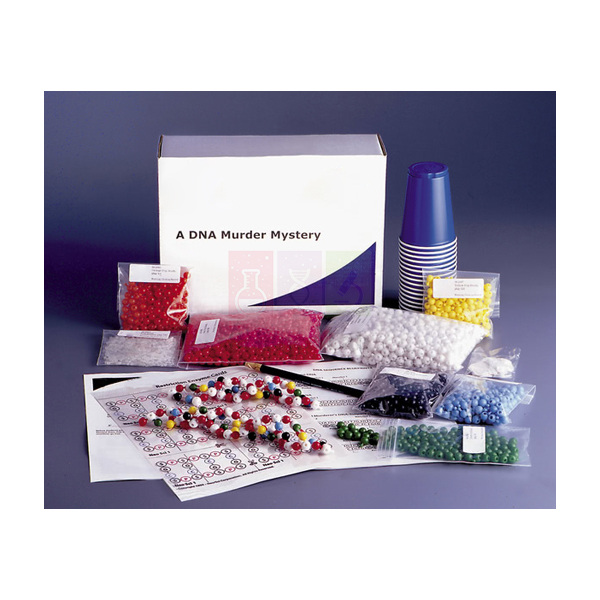
DNA Murder Mystery Lab Investigation
The DNA Murder Mystery Lab Investigation (Product Code: SLE/CH/121) is a completely reusable kit that challenges a class to solve a murder by simulating every step of the DNA fingerprinting protocol. Instead of biological samples, students work with “pop bead” DNA fingerprints, matching those of the suspects against samples collected at the scene of the crime. It supports up to 40 students and works as an engaging DNA model kit India schools can use year after year to introduce forensic applications of DNA technology. It is manufactured by Jain Scientific Equipments Pvt Ltd (ScienceLab), Ambala.
Key Details
| Parameter | Detail |
|---|---|
| Kit type | Completely reusable simulation kit |
| DNA representation | Pop-bead DNA fingerprints |
| Scenario | Solving a murder by matching suspects’ DNA fingerprints with samples from the crime scene |
| Class size | Materials for up to 40 students |
| Student activities | Simulate the DNA fingerprinting procedure; construct and interpret an autoradiogram; compare and evaluate DNA fingerprint patterns; compare the strengths and limitations of DNA profiling |
| Concepts covered | Basics of DNA fingerprinting, DNA structure and extraction, gel electrophoresis and autoradiography |
Typical Use
The simulation turns an abstract laboratory protocol into something students can hold. Working in teams, they assemble bead strands that stand for DNA from the crime scene and from each suspect, then move through the stages of the fingerprinting procedure in model form: cutting the strands into fragments, arranging the fragments by size as a gel would separate them, and recording the result as an autoradiogram. Comparing these patterns side by side lets them decide which suspect matches, and the final discussion asks them to weigh up where DNA profiling is powerful and where its limitations lie.
Because the fingerprints are built from pop beads rather than real samples, the activity fits an ordinary classroom as well as a laboratory and is ideal for introducing the topic before a wet-lab electrophoresis practical. At the end of the lesson, have each team break down its strands, count the beads back into labelled containers and return them to the kit so it is complete for the next class. It sits comfortably among the biology teaching aids India schools use to link genetics with real-world forensic science.
Manufacturer
This kit is manufactured by Jain Scientific Equipments Private Limited, which trades under the ScienceLab name from Ambala, Haryana, India, producing models, kits and apparatus for science education. You can learn more on our company profile.
Related Chemistry Lab Equipment
Models and kits that fit before or after this simulation:
- DNA Activity Model — introduces the double helix before fingerprinting is discussed
- DNA-RNA Model — compares DNA with RNA structure for extension lessons
- DNA Forensics Lab Investigation — moves students on to comparing electrophoretic results
- DNA Fingerprinting Electrophoresis Lab Activity — a wet-lab follow-up with real gels and stain
- Crime Scene Tape — adds atmosphere when the murder scenario is introduced
Browse all items in our Chemistry Lab Equipment category.
Frequently Asked Questions
Can the kit be used again with other classes?
Yes. It is completely reusable; the pop beads are simply taken apart and returned to the kit after each lesson.
How many students can work with one kit?
It contains materials for up to 40 students.
Does it require chemicals or electrophoresis equipment?
The DNA fingerprints are pop-bead models, so the core activity is a simulation rather than a wet-lab procedure. If you would like the full contents list, ask through our contact page.
What will students be able to do after the activity?
Construct and interpret an autoradiogram, compare and evaluate DNA fingerprint patterns, describe the fingerprinting procedure and discuss the strengths and limitations of DNA profiling.
How should the beads be looked after?
Count them back into labelled containers at the end of each session and wipe them clean if needed, so no pieces go missing between classes.
What information do you need for a school or tender quotation?
Include the product code SLE/CH/121, the number of kits, the delivery address and any purchase format your institution uses.
Is supply available for school chains and export buyers?
Yes. We quote multiple kits for schools and distributors in India and international markets.
Request a Quote
Request a quotation for the DNA Murder Mystery Lab Investigation via our contact page, or add it to the enquiry cart along with any DNA models you need.
Last updated: 24 September 2026
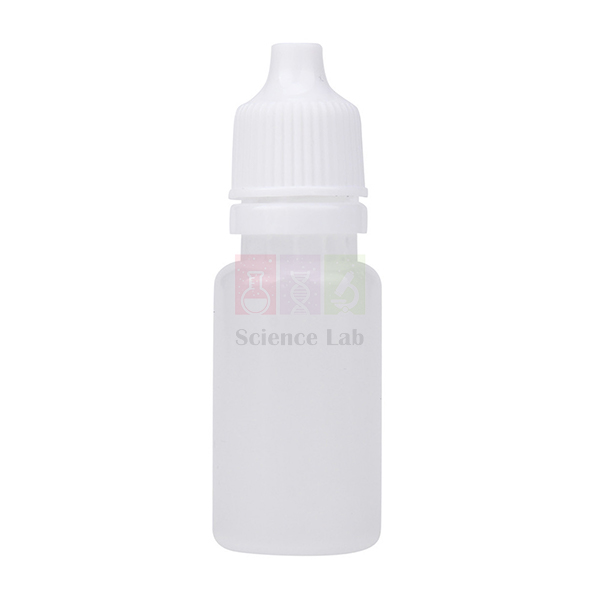
Dropper Bottle, 10 ml
The Dropper Bottle, 10 ml (Product Code: SLE/CH/122) is a small white bottle made from durable, chemical resistant polypropylene, fitted with a leakproof lid and a removable dropper. It lets students dispense indicators and reagents one drop at a time, which saves chemicals and keeps small-scale practicals tidy. Dishwasher proof and designed to be used repeatedly, it is made by Jain Scientific Equipments Pvt Ltd (ScienceLab), Ambala, a lab plastic ware supplier India schools and colleges order from for everyday bench items.
Specifications
| Parameter | Detail |
|---|---|
| Capacity | 10 ml |
| Material | Durable polypropylene |
| Colour | White |
| Chemical resistance | Chemical resistant |
| Closure | Leakproof lid |
| Dropper | Removable |
| Cleaning and reuse | Dishwasher proof; can be used repeatedly |
Typical Use
Small dropper bottles are the standard way to put indicators, test reagents and stains within reach of every student group. A set of labelled bottles on each bench might hold litmus or universal indicator, dilute acid and alkali, or a biological stain, so students add exactly the number of drops a method calls for instead of pouring. They are particularly useful in microscale chemistry, where reagents are dropped straight into the wells of a plate, and in teaching stations built around an acid base indicator kit where several solutions must be kept separate.
Label every bottle clearly and never swap droppers between bottles, as that is the quickest route to cross-contamination. The removable dropper makes refilling easy and lets the bottle and dropper be cleaned separately; after rinsing, both can go through a dishwasher and back into service. Keep the lid closed when not in use and store bottles upright in a tray so they are easy to count and check at the end of a lesson.
Manufacturer
The Dropper Bottle, 10 ml is manufactured by Jain Scientific Equipments Private Limited, known to customers as ScienceLab. The company is based in Ambala, Haryana, India, and makes plasticware, glassware and apparatus for teaching laboratories. More is available on our company profile.
Related Chemistry Lab Equipment
Items used alongside these bottles at the bench:
- Dropper Bottle Tray — keeps a set of bottles upright and organised
- Dropper Bottle, Amber — a glass alternative for light-sensitive solutions
- Dropper Bottle, Clear — a glass option when the liquid level must be visible
- Comboplate, Microscience — the well plate these bottles typically dispense into during microscale work
- pH Indicator Dispenser — a dedicated dispenser for indicator solutions
See our full Chemistry Lab Equipment category for more bench supplies.
Frequently Asked Questions
What is the bottle made of?
Durable, chemical resistant white polypropylene.
Will it leak if knocked over?
The lid is leakproof when closed; still, store bottles upright and close them after each use.
Can the dropper be taken out?
Yes, the dropper is removable, which makes refilling and cleaning straightforward.
Is it dishwasher safe and reusable?
Yes. The bottle is dishwasher proof and can be used repeatedly.
Is it suitable for light-sensitive reagents?
It is a white plastic bottle. For solutions that must be protected from light, an amber glass dropper bottle is the safer choice.
Which solvents can it hold?
Polypropylene is chemical resistant, but compatibility varies with some organic solvents, so check specific liquids with us through our contact page.
How are the bottles packed, and can you supply large quantities?
Pack quantity is not listed in our current notes and will be confirmed in your quotation. Bulk orders for schools, colleges and distributors in India and international markets are welcome.
Request a Quote
Tell us how many Dropper Bottle, 10 ml units you need through our contact page, or add the item to the enquiry cart with trays and other bench supplies.
Last updated: 24 September 2026
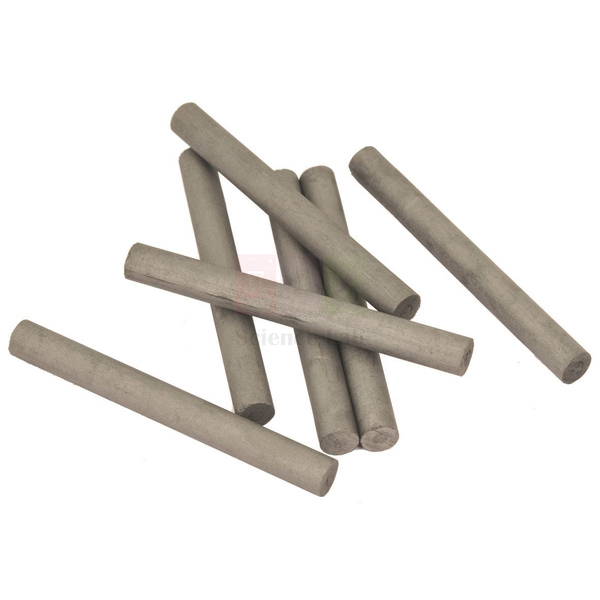
Electrode, Carbon Rod
Electrode, Carbon Rod (Product Code: SLE/CH/123) is a cylindrical carbon electrode for electrolysis experiments, packed 50 to a pack so that a teacher can equip every bench in a practical class and still keep spares on the shelf. Carbon conducts electricity yet stays largely unreactive in the electrolytes used in school practicals, which is why carbon rods remain the usual inert electrode for studying what happens at the anode and cathode. The rods are supplied by Jain Scientific Equipments Pvt Ltd (ScienceLab), Ambala, India, to secondary schools, junior colleges and teacher-training centres building up their school chemistry lab equipment in India.
Specifications
| Parameter | Detail |
|---|---|
| Material | Carbon |
| Shape | Cylindrical rod |
| Dimensions | 100 x 5 mm |
| Application | Electrolysis experiments |
| Pack size | 50 rods per pack |
Typical Use
In a typical practical, two rods are mounted so that they stand parallel in a beaker of electrolyte without touching, then connected to a low-voltage DC source with crocodile-clip leads. Students watch for gas bubbles, colour changes or metal deposits at each rod – for example copper plating onto the cathode from copper(II) sulphate solution, or bubbles forming during the electrolysis of dilute acids and salt solutions. Because the carbon itself takes no part in most of these reactions, the observations can be linked directly to the ions present in the solution.
Keep the metal clips above the liquid so that only carbon touches the electrolyte, rinse the rods with distilled water after each run and let them dry before storage. An anode that gives off oxygen or chlorine slowly wears and roughens over repeated use; buying from a chemistry consumables supplier in India in packs of 50 means worn pieces can be swapped out without interrupting a practical session.
Supplier
Electrode, Carbon Rod is supplied by Jain Scientific Equipments Private Limited, which trades under the name ScienceLab and is based in Ambala, Haryana, India. Vendor registration details for the supplying company are GSTIN 06AAECJ8618A1ZT and Importer-Exporter Code AAECJ8618A issued by the DGFT, under which shipments to overseas buyers are handled. More about the company is available in our company profile.
Related Chemistry Lab Equipment
Items that complete an electrolysis set-up built around these carbon rods:
- Electrode, Carbon, Pair — a paired format when a bench needs just two electrodes rather than a bulk pack
- Electrode Rod Holders — for mounting rod electrodes securely during a run
- Crocodile Clips & Leads — to connect each rod to the power source
- Brownlee Electrolysis Apparatus — a dedicated apparatus for class demonstrations of electrolysis
- Glass Beaker — the vessel that holds the electrolyte
Browse the complete Chemistry Lab Equipment range for more electrochemistry apparatus.
Frequently Asked Questions
How many electrodes come in one pack?
Fifty. Each pack holds 50 cylindrical carbon rods of 100 x 5 mm, so larger schools can order several packs to cover multiple sections.
Which experiments are these rods suited to?
Electrolysis of aqueous solutions where an inert electrode is needed, such as copper(II) sulphate, sodium chloride solution or dilute acids. The rods let students attribute every product they see to the electrolyte rather than to the electrode.
Can the rods be reused?
Yes, in most cases. Rinse and dry them after each practical; replace a rod once it becomes visibly pitted or crumbly, which happens first at anodes that release oxygen or chlorine.
Are holders, leads or a power supply included?
No – this listing covers the pack of 50 rods only. Holders, leads and electrolysis apparatus are available separately (see the related items above), and we can quote them together on request.
Is the grade or purity of the carbon specified?
The grade is not stated in this listing. If your syllabus or tender needs a particular grade, please ask through our contact page before ordering.
Do you supply schools in bulk or ship overseas?
Yes. We supply institutions across India and in international markets; include the product code SLE/CH/123, the number of packs and your delivery location in your enquiry so we can prepare an accurate quotation.
Request a Quote
To order Electrode, Carbon Rod, send your quantity and delivery details through our contact page, or add the item to the enquiry cart together with other laboratory items for a combined quotation.
Last updated: 24 September 2026
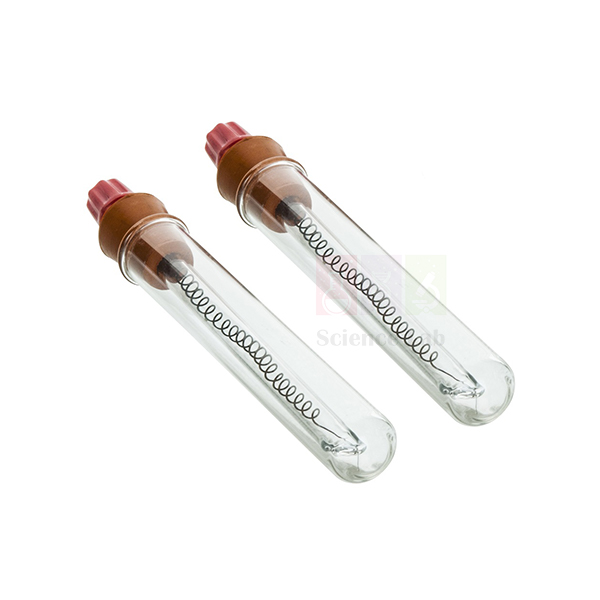
Electrode Platinum
Electrode Platinum (Product Code: SLE/CH/124) is a pair of platinum electrodes made from rectangular foil and fused into a protective glass tube, intended for the electrolysis of water and other experiments where the electrode must stay chemically inert. An internal connection lead runs through the tube and a rubber stopper to screw terminals, so the pair can be wired straight to a DC supply. It is made by Jain Scientific Equipments Pvt Ltd (ScienceLab), Ambala, India, for school, college and university laboratories that want platinum electrodes for their electrolysis apparatus in India.
Specifications
| Parameter | Detail |
|---|---|
| Supplied as | A pair of electrodes |
| Electrode form | Rectangular platinum foil |
| Mounting | Fused into a protective glass tube |
| Connection | Internal lead running through the tube and rubber stopper to screw terminals |
| Inner glass tube (holds the electrode) | Length 110 mm x dia. 8 mm |
| Outer glass tube (covers the electrode) | Length 115 mm x dia. 18 mm |
| Design feature | Foil shape exposes as much metal as possible to the reactant (water) |
Typical Use
The pair is the heart of a classic water-electrolysis demonstration: with the electrodes sealed into the apparatus and the water made conductive with a little dilute acid or salt, students see hydrogen collect above the cathode and oxygen above the anode in roughly a 2:1 volume ratio. Because platinum neither dissolves nor oxidises under these conditions, the gas volumes reflect the decomposition of water alone, which makes the result far cleaner than with reactive metal electrodes. The broad foil face spreads the current over a large area, so bubbles form evenly across the metal.
Handle the assembly by its glass, never by the foil, and tighten the screw terminals gently so that no strain reaches the glass-to-metal seal. After each session rinse the electrodes with distilled water and store them cushioned in their box, alongside the rest of your chemistry lab glassware in India, to protect both the foil and the tubes.
Manufacturer
Electrode Platinum is produced by Jain Scientific Equipments Private Limited, a company that trades as ScienceLab from Ambala, Haryana, India, and builds apparatus for teaching and research laboratories. For an overview of the company and its product groups, see our company profile.
Related Chemistry Lab Equipment
Apparatus and accessories that work alongside platinum electrodes in electrolysis practicals:
- Hoffman Voltameter — the traditional apparatus for collecting and comparing the gases from water
- Hoffman Voltameter Stand — holds the voltameter steady on the bench
- Water Electrolysis Apparatus (Hoffman Voltmeter) — an alternative complete set-up for the same experiment
- Crocodile Clips & Leads — link the screw terminals to your power source
- Electrode, Carbon Rod — a low-cost inert option for general electrolysis of solutions
More electrochemistry items are listed under Chemistry Lab Equipment.
Frequently Asked Questions
Is this a single electrode or a pair?
A pair. Both electrodes are rectangular platinum foil, which gives you a matched anode and cathode for one apparatus.
What size are the glass tubes?
The inner glass tube that holds the electrode measures 110 mm long by 8 mm in diameter, and the outer tube covering it measures 115 mm long by 18 mm in diameter.
Why is the platinum made as a rectangular foil rather than a wire?
The foil exposes as much metal as possible to the water. A larger working surface spreads the current and helps the gases form steadily during a demonstration.
Will it fit the voltameter we already own?
That depends on the size of the electrode openings on your apparatus. Send us the port dimensions or a photo through our contact page and we will confirm the fit before you order.
How should the electrodes be cleaned?
Rinse with distilled water after use and let them air-dry. Avoid abrasive pads or bending the foil, and do not pull on the terminals, as the glass seal is the most delicate part.
What warranty applies?
Warranty terms are not stated on this page. Please ask for them with your quotation so that they are confirmed in writing for your order.
Can you quote for several sets or for delivery abroad?
Yes. We supply institutions in India and international markets; mention the product code SLE/CH/124, the number of pairs and the delivery address.
Request a Quote
For pricing and availability of Electrode Platinum, write to us via the contact page or place it in the enquiry cart with any voltameter or accessories you need.
Last updated: 24 September 2026
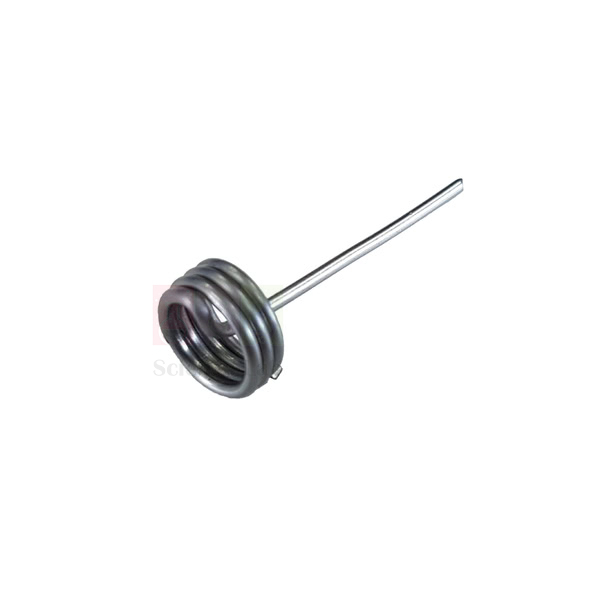
Electrode, Lead
Electrode, Lead (Product Code: SLE/CH/125) is a spare electrode for the MicroScience system, sold in packs of 20 so that schools running MicroScience kits can replace electrodes that go missing, bend or corrode over a year of practicals. Keeping a pack of replacements on hand means a whole class can carry on with electrochemistry activities even when a few kits come back incomplete. It is supplied by Jain Scientific Equipments Pvt Ltd (ScienceLab), Ambala, India, as one of the lab equipment spare parts in India that keep student kits usable from one batch of learners to the next.
Key Details
| Parameter | Detail |
|---|---|
| Type | Spare lead electrode |
| Used with | The MicroScience system |
| Pack size | 20 per pack |
| Form and size | Not stated in this listing – please confirm with us before ordering |
Typical Use
Microscale kits let each student or pair carry out electrochemistry with only a few drops of solution, which cuts chemical consumption and waste compared with beaker-scale work. A lead electrode is typically combined with another metal or with a carbon electrode so that learners can compare how different materials behave, observe deposits or gas at the electrode surface, and discuss why some metals are more reactive than others. This makes the spare a practical part of any electrochemical cell kit for school use.
Lead is toxic if swallowed, so learners should handle the electrodes with gloves or wash their hands afterwards, and food and drink must stay out of the laboratory. Wipe electrodes clean and dry after each lesson, and collect worn or damaged pieces for disposal as heavy-metal waste rather than placing them in general bins.
Supplier
Electrode, Lead is supplied by Jain Scientific Equipments Private Limited, which trades as ScienceLab from its base in Ambala, Haryana, India, and serves schools and colleges with laboratory equipment and replacement parts. Our company profile gives more background on the business.
Related Chemistry Lab Equipment
Kits and components from the same microscale workflow:
- Basic Microscience Kit, Student — an entry-level student kit in the MicroScience range
- Advanced Microscience Kit, Student — the extended student kit for higher classes
- Comboplate, Microscience — the multi-well plate that microscale reactions are run in
- Microscience Work Station, Biology, Physics and Chemistry — a combined station for several science subjects
- Electrode, Carbon Rod — inert carbon electrodes to pair with metal electrodes
Find more practical apparatus in our Chemistry Lab Equipment category.
Frequently Asked Questions
How many electrodes are in a pack?
Twenty. The pack is intended for restocking several MicroScience kits at once.
Is this a lead-metal electrode or a connecting lead?
The catalogue lists it as a lead electrode and describes it as a spare electrode lead for the MicroScience system. Because the exact form and size are not stated here, please confirm them through our contact page so that the spares match the kits you already own.
Will these fit other microscale kits?
They are listed for the MicroScience system. For any other brand of kit, share its electrode dimensions with us and we will tell you whether the spare is suitable.
Is it safe for students to handle?
Yes, with normal laboratory precautions: supervised use, gloves or hand-washing afterwards, and no eating or drinking. Worn electrodes should be collected for heavy-metal disposal.
Can I order fewer than 20?
The item is listed as a pack of 20. If you need a different quantity, mention it in your enquiry and we will advise what is possible.
Do you supply spares to schools outside India?
Yes, we serve institutions in India and international markets. Quote product code SLE/CH/125 and your delivery country when you enquire.
Request a Quote
To restock your kits with Electrode, Lead, send the number of packs through our contact page or add it to the enquiry cart along with other MicroScience spares.
Last updated: 24 September 2026