- Physics Lab Equipment
- Chemistry Lab Equipment
- Biology Lab Equipment
- Anatomical Lab Equipment
- Learning
- Educational Lab Equipment
- Magnets
- Agriculture
- Astronomy
- Earth Science
- Geography Lab Equipment
- Safety Lab Coat
- Laboratory
- Meteorological
- Electricity & Magnetism
- Heat
- School Lab Equipment
- Lab Glassware
- Science Lab Equipment
- Tvet Lab Equipment
- Robotics Kits Supplier and Manufacturer for Schools India
- Math Lab Equipment Manufacturers and Exporters in Ambala
- STEM Kits Manufacturers and Supplier India
- Engineering Lab Equipment
- Hospital Lab Equipment
- Water, Sanitation & Hygiene Supplies
- Cold Chain, Solar & Communication Equipment
- Nutrition
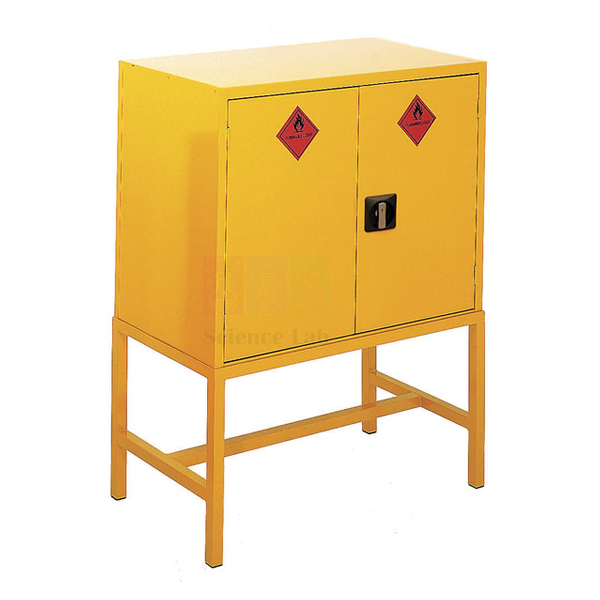
Hazardous Storage Cabinet Horizontal
Hazardous Storage Cabinet Horizontal (Product Code: SLE/CH/211) is a robust metal chemical storage cabinet of horizontal layout with 2 doors, built to give good structural stability and to hold any spillage inside its leak proof sump instead of letting it spread across the floor. School chemistry departments, college prep rooms and industrial labs use it to keep hazardous reagents in one controlled place, and it is made by Jain Scientific Equipments Pvt Ltd (ScienceLab), Ambala, as part of its lab storage cabinet range in India.
Specifications
| Parameter | Detail |
|---|---|
| Construction | Robust metal |
| Type | Horizontal |
| Number of doors | 2 |
| Spill containment | Leak proof sump that contains spillages within the cabinet |
| Design aim | Good structural stability |
Typical Use
A horizontal cabinet is wider than it is tall, so bottles stand at an easy reach height and heavy containers do not have to be lifted onto high shelves. Technicians typically group chemicals by hazard class inside, keeping incompatible substances such as acids and alkalis apart, and label the doors so staff know what is stored before opening them. If a bottle leaks or breaks, the liquid runs into the sump at the base, where it can be absorbed and cleaned up without reaching the floor or other stock.
Place the cabinet on a level floor away from heat sources and exits, check the sump regularly and clear any residue promptly, and keep an up-to-date list of contents on or near the doors. As a piece of chemistry reagent cabinet storage within a school laboratory, it works best alongside a spill kit and clear hazard labelling, so that any incident can be handled quickly.
Manufacturer
The cabinet is manufactured by Jain Scientific Equipments Private Limited, an Ambala, Haryana company that uses the trading name ScienceLab and builds laboratory equipment and furniture for education and industry. Our company profile explains more about the business.
Related Chemistry Lab Equipment
These items support safe chemical storage and spill response around the cabinet:
- Hazardous Storage Cabinet Vertical — a vertical alternative where floor space is limited.
- Acid Storage Cabinet Vertical — a dedicated cabinet to keep acids separate from other stock.
- Spill Pack — absorbent materials for clearing leaks from the sump or floor.
- Acid Spill Clean Up Kit — for dealing with acid leaks from stored bottles.
- Hazard Warning Tape: Flammable — symbol tape to label doors and shelves by hazard.
See all items in Chemistry Lab Equipment.
Frequently Asked Questions
How many doors does the cabinet have?
It has 2 doors, in a horizontal layout.
What happens if a bottle leaks inside?
The leak proof sump at the base contains spillages within the cabinet, so they can be cleaned up without spreading into the room.
What are the external dimensions and shelf arrangement?
Dimensions and shelf details are not listed here. Please ask through our contact page and we will share them with the quotation.
Is it suitable for flammable solvents?
Fire resistance is not stated for this cabinet. Tell us which chemicals you plan to store and we will advise whether this model or another storage option suits them.
Can the doors be locked?
Locking arrangements are not stated for this item; please confirm with us before ordering if lockable doors are required.
Do you deliver cabinets outside India?
Yes, we supply institutions in India and international markets. Share the quantity and destination so we can quote for packing and freight.
Request a Quote
Request a quotation for the Hazardous Storage Cabinet Horizontal through our contact page or add it to the enquiry cart.
Last updated: 24 September 2026
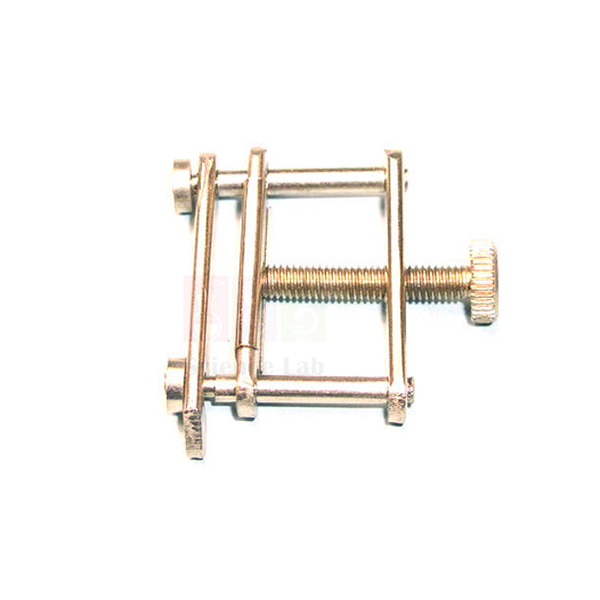
Hoffman Clips
Hoffman Clips (Product Code: SLE/CH/212) are screw-adjusted tubing clamps used to squeeze rubber or flexible tubing so that the flow of liquid or gas through it can be reduced gradually or stopped completely. These clips are nickel-plated brass, with a projecting plate that stops the end of the screw from damaging the tubing and a hinged bottom bar that lets you fit or remove the clip without reaching an end of the tube. They are made by Jain Scientific Equipments Pvt Ltd (ScienceLab), Ambala, a chemistry lab instruments supplier and manufacturer.
Specifications
| Parameter | Detail |
|---|---|
| Material | Brass |
| Finish | Nickel coated (nickel-plated) |
| Tubing protection | Projecting plate prevents damage to tubing by the end of the screw |
| Fitting | Hinged bottom bar for direct fitting and removal without access to the ends of the tube |
| Pack size | Pack of 10 |
Typical Use
Swing the hinged bar open, slip the clip over the tubing at the point you want to control, close the bar, and turn the screw to press the tubing flat. A few turns give fine control of the drip rate from an aspirator or reservoir, while fully tightening the screw seals the line so a gas generator or siphon can be left standing. Because the clip opens from the side, it can be added to tubing that is already connected at both ends, for example between a Kipp generator in a lab and its delivery tube, without dismantling the apparatus.
Release the screw after use so the tubing does not take a permanent set, and inspect rubber tubing regularly for cracks where the clip presses. The nickel-plated finish helps the brass resist tarnish in a chemistry lab; wipe clips dry after contact with liquids and store them together in a drawer, where a pack of 10 keeps enough on hand for several setups.
Manufacturer
Hoffman Clips are produced by Jain Scientific Equipments Private Limited, the Ambala, Haryana manufacturer that sells under the ScienceLab name to schools, colleges, laboratories and trade partners. For company details, see our profile page.
Related Chemistry Lab Equipment
Tubing and alternative clamps that are used with Hoffman clips:
- Rubber Tubing — the flexible tubing the clip is designed to regulate.
- Silicone Tube — soft tubing that can also be controlled with the clip.
- Aspirator Polythene — a reservoir whose outlet tubing is often fitted with a flow clip.
- Hoffman Screw Clip — another screw clip listed in our range.
- Elastic Clamps for Rubber Pipes (Mohr Clamp) — a spring-type pinch clamp for simple on/off use.
Browse the full Chemistry Lab Equipment range.
Frequently Asked Questions
How many clips are in a pack?
Each pack contains 10 Hoffman clips.
What are the clips made of?
They are brass with a nickel-coated finish.
Can I fit a clip without disconnecting the tubing?
Yes. The hinged bottom bar opens so the clip can be placed on or taken off the tube without access to either end.
Will the screw cut into the tubing?
No. A projecting plate sits between the screw end and the tube, spreading the pressure and preventing damage to the tubing.
What tubing sizes does it fit?
The maximum tubing diameter is not listed. Send us your tubing outside diameter through our contact page and we will confirm the fit.
What should a school include in a quotation request?
The product code SLE/CH/212, number of packs, delivery address and any tender reference; we quote for buyers in India and international markets.
Request a Quote
Send an enquiry for Hoffman Clips through our contact page, or add them to the enquiry cart together with tubing.
Last updated: 24 September 2026
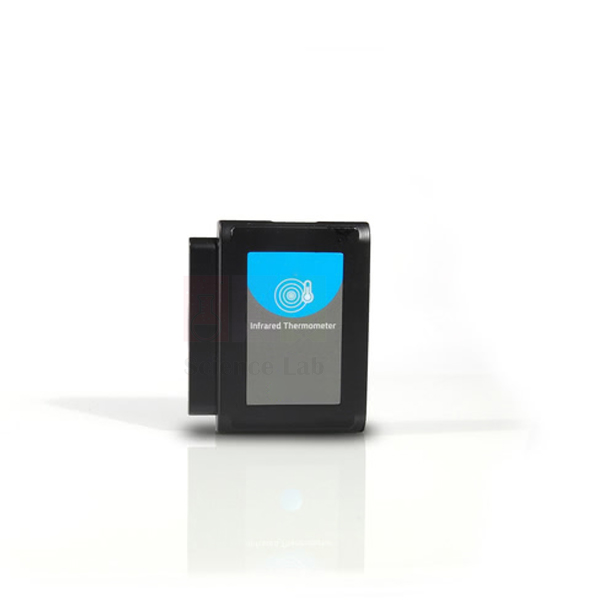
Infrared Thermometer Logger Sensor
Infrared Thermometer Logger Sensor (Product Code: SLE/CME/016) is a non-contact temperature sensor used to measure and log surface temperatures from −30 °C to 382 °C in science experiments and temperature checks. Teachers, lab technicians and field staff connect it through a USB, Wi-Fi, Bluetooth, Graphic Display or Viewer module to record readings at 0.1 °C resolution over runs from 1 second to 31 days. It is supplied by Jain Scientific Equipments Pvt Ltd (ScienceLab), Ambala, India, among its digital measuring instruments in India.
Specifications
| Parameter | Detail |
|---|---|
| Measurement method | Remote (non-contact) infrared sensor |
| Temperature range | −30 °C to 382 °C (−22 °F to 719 °F) |
| Resolution | 0.1 °C / 0.1 °F |
| ADC resolution | 13 bit |
| Maximum sample rate | 100 samples per second (subject to experiment duration) |
| Experiment duration | 1 second to 31 days |
| Compatible communication modules | USB Module, Wi-Fi Module, Bluetooth Module, Graphic Display Module, Viewer Module |
| Product code | SLE/CME/016 |
| Supplied by | Jain Scientific Equipments Pvt Ltd (ScienceLab), Ambala, India |
What Is the Infrared Thermometer Logger Used For?
Because it reads temperature without touching the object, the sensor can measure things that are hot, moving, delicate or hard to reach. In class, students can log how the surface of hot water cools, compare how quickly dark and light surfaces warm in sunlight, or follow a heated vessel from a safe distance.
The top of the duration range, 31 days, suits long unattended records of a slowly changing surface, while the maximum of 100 samples per second captures quick changes in short experiments. Infrared sensors read surface temperature, so shiny metal and readings through glass can mislead; aim at a matt surface where possible.
What to Specify When Ordering
- Which communication module you will use (USB, Wi-Fi, Bluetooth, Graphic Display or Viewer), and whether you already have one.
- The number of sensors needed per lab or class.
- The temperatures and logging times of your experiments, to confirm they fall within −30 °C to 382 °C and 1 second to 31 days.
Supplier
ScienceLab, the trading name of Jain Scientific Equipments Private Limited, supplies the Infrared Thermometer Logger Sensor from Ambala, Haryana, as a sourced data-logging sensor. Tell us which module you use so the quotation covers a compatible set-up for your school, college or institution in India or international markets. See our company profile for more.
Related Cold Chain, Solar & Communication Equipment
Other temperature recording and measuring options:
- 30 Day logger — dedicated temperature logger for cold chain storage checks.
- Weblogger — another temperature logger in the cold chain range.
- Digital Thermometer — contact thermometer for spot readings.
- Thermometer, Electronic, Max/Min — keeps track of the highest and lowest temperatures reached.
Browse the full Cold Chain, Solar & Communication Equipment category.
Frequently Asked Questions
What temperature range does the Infrared Thermometer Logger Sensor measure?
The Infrared Thermometer Logger Sensor measures from −30 °C to 382 °C (−22 °F to 719 °F) with a resolution of 0.1 °C or 0.1 °F. It reads the surface temperature of an object remotely, without contact.
How does the Infrared Thermometer Logger Sensor connect to a computer or display?
The Infrared Thermometer Logger Sensor works with communication modules: the USB Module, Wi-Fi Module, Bluetooth Module, Graphic Display Module or Viewer Module. Tell us which module you have or plan to use so the quotation matches your set-up.
How fast can the Infrared Thermometer Logger Sensor record data?
The Infrared Thermometer Logger Sensor samples at up to 100 readings per second, depending on the experiment duration, with 13-bit ADC resolution. Experiments can run from 1 second up to 31 days, covering quick demonstrations and long unattended records.
How accurate is the Infrared Thermometer Logger Sensor?
The listing describes the Infrared Thermometer Logger Sensor as using a high-accuracy infrared sensor with 0.1 °C resolution, but it does not give an accuracy figure. Ask us through the contact page for the accuracy details of the model quoted.
Does the Infrared Thermometer Logger Sensor need to touch the object?
No. The Infrared Thermometer Logger Sensor measures temperature remotely, which suits hot, moving or delicate objects. Aim it at a matt surface where possible, as shiny metal and glass can give misleading infrared readings.
Who supplies the Infrared Thermometer Logger Sensor?
Jain Scientific Equipments Pvt Ltd (ScienceLab), Ambala, Haryana, India supplies the Infrared Thermometer Logger Sensor as a sourced data-logging sensor. Quotations are available for schools, colleges and institutions in India and international markets.
Request a Quote
Ask for a price on the Infrared Thermometer Logger Sensor through our contact page, naming the communication module you use and the quantity, or add it to the enquiry cart.
Last updated: 24 September 2026
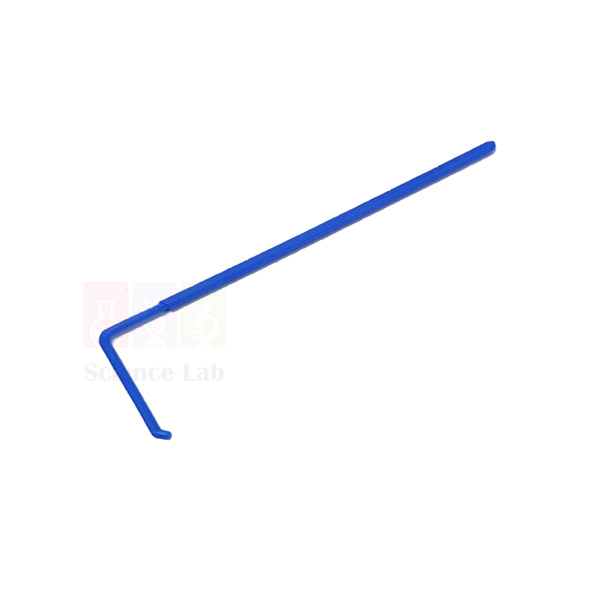
Inoculation Cell Spreader
Inoculation Cell Spreader (Product Code: SLE/P/35) is an L-shaped ABS plastic spreader used to distribute bacterial cultures evenly over the surface of agar plates in microbiology laboratories. Made from high-impact ABS, it removes the need for flaming or autoclaving, measures 156 mm x 38 mm and is packed in bags of 20. It is supplied by Jain Scientific Equipments Pvt Ltd (ScienceLab), Ambala, India, to college, research and teaching labs.
Specifications
| Parameter | Detail |
|---|---|
| Shape | L-shaped |
| Material | ABS (high-impact) |
| Dimensions | 156 mm x 38 mm |
| Pack | Bags of 20 |
| Preparation | No flaming or autoclaving needed |
| Reach | Designed to reach the entire surface of the petri dish or plate |
| Product code | SLE/P/35 |
| Supplied by | Jain Scientific Equipments Pvt Ltd (ScienceLab), Ambala, India |
What Is the Cell Spreader Used For?
The spread-plate technique places a small volume of diluted culture on the centre of an agar plate and spreads it into a thin, even film so that separate colonies grow and can be counted or picked. The L-shaped spreader does this job: its flat foot rests on the agar while the plate is turned, and the design allows the entire surface of the petri dish to be reached with ease.
Pipette the inoculum onto the plate, lay the foot of the spreader gently on the agar, and rotate the dish while moving the spreader back and forth until the liquid is absorbed. Because the spreader does not need flaming, students avoid the fire risk of dipping glass spreaders in alcohol and passing them through a burner. It is a routine consumable for microbiology lab equipment in India, from college practicals to research labs.
What to Specify When Ordering
- The number of bags required (each bag contains 20 spreaders).
- Whether inoculation loops or petri dishes should be quoted with the spreaders.
- Any sterility or packaging requirement your procedure specifies, so we can confirm it.
Supplier
Jain Scientific Equipments Private Limited, trading as ScienceLab from Ambala, Haryana, supplies the Inoculation Cell Spreader together with other microbiology consumables, so a lab can source spreaders, loops and related plasticware in one quotation. Institutional buyers registering us as a vendor can use Importer-Exporter Code AAECJ8618A (DGFT) and GSTIN 06AAECJ8618A1ZT. Company background is on the ScienceLab profile page.
Related Scientific Lab Plasticware
Items used with the cell spreader in plating work:
- Inoculation Loops — for streaking and transferring small amounts of culture.
- Petri Dish, Triple Vent — plates to be spread with culture.
- Petri Dish Rack — holds plates after spreading and during incubation.
- Micropipette — places a measured inoculum volume on the agar.
More consumables and plasticware are in Scientific Lab Plasticware.
Frequently Asked Questions
Which material is the Inoculation Cell Spreader made from?
The Inoculation Cell Spreader is made of high-impact ABS plastic. According to the product details, this construction removes the need for flaming or autoclaving the spreader before use.
How many spreaders are in a pack of the Inoculation Cell Spreader?
The Inoculation Cell Spreader is packed in bags of 20. Order the number of bags that matches the plates your class or lab spreads in a typical week of practical work.
What size is the Inoculation Cell Spreader?
The Inoculation Cell Spreader measures 156 mm x 38 mm and is L-shaped. It is designed to reach the entire surface of a petri dish or plate when spreading bacterial cultures.
Is the Inoculation Cell Spreader sterile?
Our listing for the Inoculation Cell Spreader states that it needs no flaming or autoclaving but does not state a sterility method. If your protocol requires sterile packaging details, ask us through the contact page before ordering.
Who supplies the Inoculation Cell Spreader?
The Inoculation Cell Spreader is supplied by Jain Scientific Equipments Pvt Ltd (ScienceLab), Ambala, Haryana, India, to colleges, research labs, dealers and importers in India and international markets.
What does a quotation for the Inoculation Cell Spreader need?
For an Inoculation Cell Spreader quotation, give the number of bags of 20, any related items such as loops or petri dishes, and your delivery location. Send the request through the enquiry cart or contact page.
Request a Quote
Request a price for the Inoculation Cell Spreader through the contact page or by adding it to the enquiry cart with the number of bags you need.
Last updated: 24 September 2026
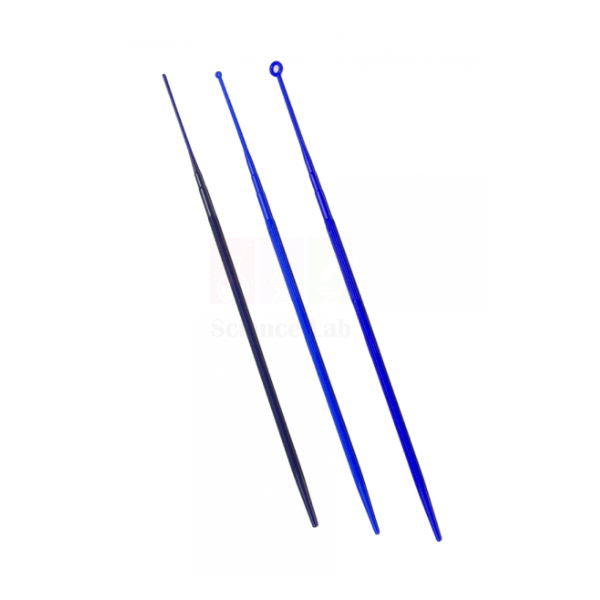
Inoculation Loops
Inoculation Loops (Product Code: SLE/P/36) are 10 µl sterile plastic inoculating loops used to pick up and transfer a small inoculum without damaging the agar surface in microbiology labs. Each loop is 200 mm long, made of ABS, sterilised by ethylene oxide (EO), colour coded by size and packed 1000 to a pack for routine plating in teaching and research laboratories. They are supplied by Jain Scientific Equipments Pvt Ltd (ScienceLab), Ambala, India.
Specifications
| Parameter | Detail |
|---|---|
| Loop volume | 10 µl |
| Material | ABS (acrylonitrile butadiene styrene) |
| Length | 200 mm |
| Sterility | Sterile, EO (ethylene oxide) |
| Identification | Each size colour coded |
| Pack | Pack of 1000 |
| Product code | SLE/P/36 |
| Supplied by | Jain Scientific Equipments Pvt Ltd (ScienceLab), Ambala, India |
What Are Inoculation Loops Used For?
An inoculation loop picks up a small, fairly consistent amount of culture from a colony, broth or sample and transfers it to fresh medium. Students use it for streak plating to obtain isolated colonies, for sub-culturing into broth tubes and for inoculating slants. A 10 µl loop is sized to hold about that volume of liquid, which is helpful when a consistent amount of sample needs to go onto a plate.
Because these loops are supplied sterile by ethylene oxide, they are ready to use from the pack with no flaming step, which removes the burner and spatter hazards of wire loops. Touch the loop lightly to the agar and draw it across the surface so the medium is not cut. Colour coding helps staff pick the right loop quickly. When planning an inoculation loop order for a lab in India, count one loop per transfer and allow for spares.
What to Specify When Ordering
- The number of packs of 1000 loops required.
- The loop volume (this listing is the 10 µl size); ask us about other colour-coded sizes.
- Related items such as cell spreaders or petri dishes to include in the same quotation.
Supplier
ScienceLab, the trading name of Jain Scientific Equipments Private Limited in Ambala, Haryana, supplies these Inoculation Loops as part of its microbiology consumables range. Labs that already buy plasticware or teaching apparatus from us can add loops to the same enquiry and receive one consolidated quotation for India or international delivery. Read about the company on the ScienceLab company profile.
Related Scientific Lab Plasticware
Other items for culture transfer and plating:
- Inoculation Cell Spreader — for spreading culture evenly across a plate.
- Petri Dish, Triple Vent — plates for streaking with the loops.
- Petri Dish Rack — stores streaked plates during incubation.
- Test Tube Rack — holds broth tubes during sub-culturing.
Browse Scientific Lab Plasticware for more.
Frequently Asked Questions
What volume do the Inoculation Loops hold?
These Inoculation Loops are the 10 µl size. A 10 µl loop picks up a small, consistent volume of liquid culture or sample, which suits streak plates and transfers where a known amount is useful.
Are the Inoculation Loops sterile?
Yes. The Inoculation Loops are listed as sterile, with sterilisation by EO (ethylene oxide). They can be used straight from the pack without flaming; discard each loop after use according to your lab’s biological waste procedure.
How many Inoculation Loops are in a pack?
The Inoculation Loops come in a pack of 1000. Sterile plastic loops are normally used once and discarded, so estimate your need from the number of transfers per practical and the number of students.
What are the Inoculation Loops made of and how long are they?
The Inoculation Loops are made of ABS (acrylonitrile butadiene styrene) and are 200 mm long. The length keeps the user’s hand well away from the plate or tube opening during transfers.
Who supplies the Inoculation Loops?
The Inoculation Loops are supplied by Jain Scientific Equipments Pvt Ltd (ScienceLab), Ambala, Haryana, India, to colleges, universities, research institutes, dealers and importers in India and international markets.
Why are the Inoculation Loops colour coded?
Each size of these Inoculation Loops is colour coded for quick and easy identification. This helps staff and students pick the correct loop size at a glance; confirm the colour of the 10 µl loop with us through the contact page.
Request a Quote
To order Inoculation Loops, send the number of packs through the contact page or add them to the enquiry cart.
Last updated: 24 September 2026
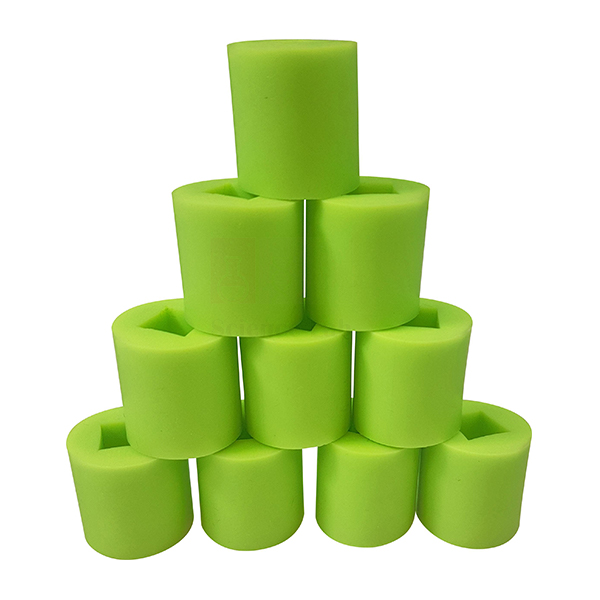
Endraflex Tubing Clamp Collar
Endraflex Tubing Clamp Collar (Product Code: SLE/P/37) is a clamp collar used to seal off Enduraflex tubing evenly when the tube is clamped in laboratory set-ups. Enduraflex tubing is square, so a clamp pressed straight onto it does not close it properly; the purpose-built collar gives the clamp a circular surface so the pressure is shared equally. It is supplied by Jain Scientific Equipments Pvt Ltd (ScienceLab), Ambala, India, for teaching and research labs.
Key Details
| Parameter | Detail |
|---|---|
| Purpose | Purpose-built clamp collar for Enduraflex tubing |
| Problem it solves | Square tubing does not seal properly when clamped directly |
| How it works | Provides a circular surface so the clamp applies equal pressure |
| Product code | SLE/P/37 |
| Supplied by | Jain Scientific Equipments Pvt Ltd (ScienceLab), Ambala, India |
What Is the Tubing Clamp Collar Used For?
Flexible tubing in a lab set-up is often closed with a screw clip or pinch clip to stop or control the flow of water, gas or solution. Round tubing flattens neatly under a clip, but square-section tubing such as Enduraflex tends to leave gaps at the corners, so liquid or gas can still leak past. Fitting this collar around the tubing gives the clip a round surface to press on, so the tube closes evenly.
Fit the collar on the tubing where you want to shut it off, position the clamp over the collar and tighten gradually until the flow stops. Check the joint for drips before leaving the apparatus unattended. The collar is a small accessory, but for labs that use Enduraflex tubing it lets a standard clip close the tube as intended in set-ups such as gas collection or water supply lines.
Supplier
The Endraflex Tubing Clamp Collar is supplied by Jain Scientific Equipments Private Limited, which trades as ScienceLab from Ambala, Haryana. We source this accessory for customers who already use Enduraflex tubing, and it can be quoted together with clips, tubing and other lab plastic ware so that a laboratory receives one consolidated order. See the ScienceLab profile for more about the company.
Related Scientific Lab Plasticware
Clips and tubing used in the same set-ups:
- Hoffman Screw Clip — an adjustable screw clip for controlling flow through tubing.
- Pinch Clip — a quick spring clip for closing flexible tubing.
- Rubber Tubing — round flexible tubing for general lab connections.
- Burner Tubing — flexible tubing for gas burner connections.
Other plasticware is listed under Scientific Lab Plasticware.
Frequently Asked Questions
What does the Endraflex Tubing Clamp Collar do?
The Endraflex Tubing Clamp Collar gives a clamp a circular surface to press on when closing Enduraflex tubing. Because the tubing is square, clamping it directly does not seal it properly; the collar spreads the pressure equally so the tube closes.
Which tubing is the Endraflex Tubing Clamp Collar for?
The Endraflex Tubing Clamp Collar is purpose-built for Enduraflex tubing. Round rubber or plastic tubing can normally be closed with an ordinary screw clip or pinch clip without a collar.
Is a clamp included with the Endraflex Tubing Clamp Collar?
The listing for the Endraflex Tubing Clamp Collar describes the collar itself and does not state that a clamp is included. Ask us through the contact page if you want a suitable clip quoted with it.
What size of Enduraflex tubing does the collar fit?
The tubing size for the Endraflex Tubing Clamp Collar is not stated in our listing. Tell us the size of the Enduraflex tubing you use through the contact page and we will confirm fit before you order.
Who supplies the Endraflex Tubing Clamp Collar?
The Endraflex Tubing Clamp Collar is supplied by Jain Scientific Equipments Pvt Ltd (ScienceLab), Ambala, Haryana, India, to schools, colleges, laboratories, dealers and importers in India and international markets.
What should I send to get a quotation for the Endraflex Tubing Clamp Collar?
For the Endraflex Tubing Clamp Collar, send the quantity, the size of your Enduraflex tubing and your delivery location. Use the enquiry cart or the contact page, and add any clips or tubing you need.
Request a Quote
Ask for pricing on the Endraflex Tubing Clamp Collar through the contact page or add it to the enquiry cart with the tubing size you use.
Last updated: 24 September 2026
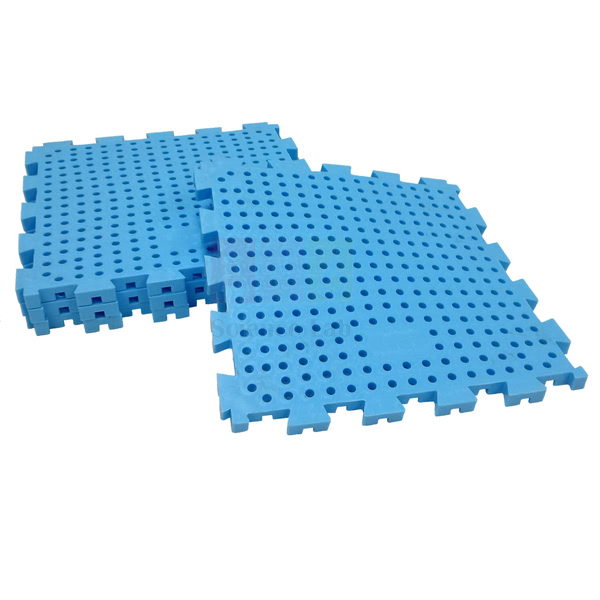
Lab Cushion
Lab Cushion (Product Code: SLE/LI/32) is an interlocking polymer sink-liner mat used to cushion glassware and trap small objects at the bottom of laboratory sinks. Technicians and teachers fit it to cut breakages during washing-up and to stop stoppers, stirrer bars or glass fragments from blocking waste pipes and traps; each pack holds four 210 × 210 × 10 mm mats that join and trim to size. It is supplied by Jain Scientific Equipments Pvt Ltd (ScienceLab), Ambala, India.
Specifications
| Parameter | Detail |
|---|---|
| Type | Multi-purpose interlocking sink-liner mat |
| Mat size (L × W × D) | 210 × 210 × 10 mm |
| Pack | 4 mats |
| Material | Blended vulcanised polymer |
| Indentation hardness | 60 ± 5 Shore A |
| Tear strength | 17 kN/m |
| Tensile strength | 7.5 MPa |
| Elongation at break | 300% |
| Rebound resilience | 60% |
| Specific gravity | 1.16 ± 0.05 g/cm³ |
| Linear shrinkage rate | 3.2 – 3.6% |
| Fitting | Join the required number of pieces to cover the sink base, then cut to size |
| Product code | SLE/LI/32 |
| Supplied by | Jain Scientific Equipments Pvt Ltd (ScienceLab), Ambala, India |
What Is a Lab Cushion Used For?
Hard ceramic or steel sinks are where much laboratory glassware gets chipped or broken, usually when a beaker slips from wet hands during washing. Lining the sink base with these resilient mats gives dropped items a softer landing, and because the mat sits over the outlet it catches stoppers, magnetic stirrer bars, pipette tips and broken glass before they can lodge in the waste pipe or trap. Lift the mats regularly to clear what they have caught and rinse them.
The mats were designed as sink liners, but users have also put them to work as a draining rack for washed glassware, as bench protection matting and as a gripper for handling items. No temperature rating is listed, so check with us before using the matting with hot glassware. For wide or double sinks, order enough packs to interlock across the whole base before trimming the edges.
What to Specify When Ordering
- The inside length and width of each sink, so we can estimate how many packs of four mats you need.
- The number of sinks or benches to be lined.
- Any intended use with hot items, so we can confirm suitability.
Supplier
These sink-liner mats are supplied by Jain Scientific Equipments Private Limited, the Ambala, Haryana company that trades as ScienceLab. The company sources lab equipment accessories like this for schools, colleges, hospital and industrial laboratories and dealers, and delivers across India and to international markets together with washing and drying equipment. Visit the ScienceLab company profile for more.
Related Laboratory Instruments
The Lab Cushion is part of the glassware washing and drying routine. These items complete it:
- Brush Test Tube — cleans the inside of test tubes over the cushioned sink.
- Drying Rack — holds washed glassware upright to drain and dry.
- Drying Rack Glass & Plastic Ware — rack for mixed glass and plastic items after washing.
- Draining Basket — basket for draining small items and loading them for further processing.
More equipment is available in the Laboratory Instruments category.
Frequently Asked Questions
What does the Lab Cushion do in a laboratory sink?
The Lab Cushion lines the bottom of a sink to cushion glassware that is dropped during washing, reducing breakages. It also traps small objects such as stoppers, stirrer bars and glass fragments that would otherwise block the waste pipe or trap.
What size are the Lab Cushion mats and how many come in a pack?
Each Lab Cushion mat measures 210 × 210 × 10 mm, and a pack contains four mats. The pieces interlock, so you can join as many as you need to cover the full base of a larger sink before cutting the edges to fit.
How is the Lab Cushion fitted?
The Lab Cushion is fitted by joining enough interlocking pieces to cover the sink base and then cutting the outer edges to size. Measure the inside of the sink first, and trim gradually so the mats sit flat without buckling at the sides.
What material is the Lab Cushion made from?
The Lab Cushion is made from a blended vulcanised polymer with a hardness of 60 ± 5 Shore A, tensile strength of 7.5 MPa, elongation at break of 300% and rebound resilience of 60%, giving a firm but cushioning surface.
Can the Lab Cushion be used with hot glassware?
Customers have used the Lab Cushion matting as a heat-proof gripper, but the listing gives no temperature rating. If you plan to place hot glassware or apparatus on it, contact us first so we can confirm whether it suits your temperatures.
Who supplies the Lab Cushion?
The Lab Cushion is supplied by Jain Scientific Equipments Pvt Ltd (ScienceLab), Ambala, Haryana. The company quotes directly to schools, colleges, laboratories and dealers in India and international markets, for single packs or enough to line every sink in a building.
Request a Quote
To get a quotation for the Lab Cushion (SLE/LI/32), send your sink sizes and the number of packs through our contact page, or add it to the enquiry cart.
Last updated: 24 September 2026
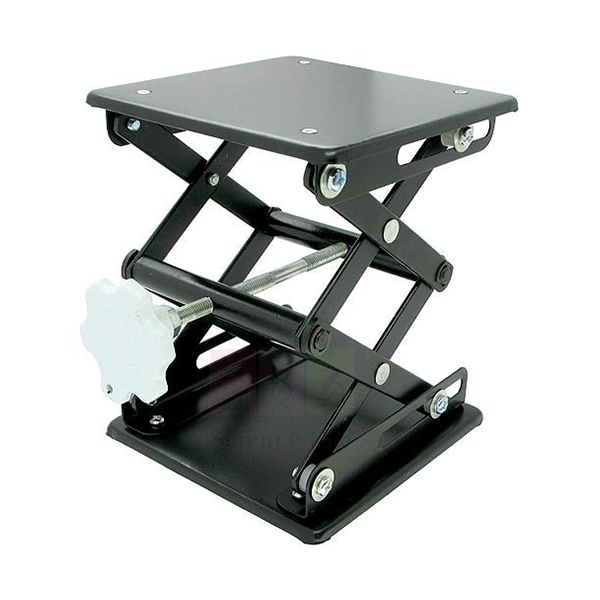
Laboratory Jack
Laboratory Jack (Product Code: SLE/LI/33) is a screw-operated scissor lift used to raise, lower and hold equipment at a precise height on the bench in chemistry, physics and biology laboratories. Students and technicians use it to set heating mantles, baths and apparatus under clamped glassware, adjusting from 60 mm to 250 mm and supporting up to 25 kg on a 150 × 135 mm top plate. It is made by Jain Scientific Equipments Pvt Ltd (ScienceLab), an OEM manufacturer, at its own factory in Ambala, India.
Specifications
| Parameter | Detail |
|---|---|
| Mechanism | Screw-operated scissor action |
| Top plate | 150 × 135 mm |
| Minimum height | 60 mm |
| Maximum elevation | 250 mm |
| Maximum load | 25 kg |
| Function | Strong, stable support for laboratory equipment |
| Product code | SLE/LI/33 |
| Manufacturer | Jain Scientific Equipments Pvt Ltd (ScienceLab) — OEM |
| Country of origin | India (made in Ambala, Haryana) |
What Is a Laboratory Jack Used For?
In a distillation or reflux setup the flask is clamped to a retort stand, and the heating mantle or water bath beneath it sits on a laboratory jack. Winding the jack up brings the heat source into contact with the flask; winding it down lets you remove the heat quickly if a reaction runs too hard, without unclamping any glassware. The same fine height control is useful for positioning a magnetic stirrer under a beaker, lining up lenses and screens on a physics bench, or bringing a sample up to a detector.
Place the load centrally on the top plate, stay within the 25 kg limit, and turn the screw steadily so the scissor arms rise evenly. Lower the jack fully before moving it, and keep the thread free of spilled chemicals so it continues to run smoothly. As everyday chemistry lab equipment, one jack per working bench makes heating practicals safer and quicker to set up.
OEM Manufacturer
ScienceLab is the trading name of Jain Scientific Equipments Private Limited, the OEM (original equipment manufacturer) of this laboratory jack. The jack is made and assembled at the company's own licensed factory at Saha, Ambala, Haryana, and supplied factory-direct to schools, colleges, research institutions, dealers and importers, so buyers deal with the maker rather than a trader. As a scientific lab equipment manufacturer in Ambala, the company also handles repeat orders and questions about replacement parts itself; ask us for details.
For institutional vendor records, the company's GSTIN is 06AAECJ8618A1ZT and its Legal Entity Identifier is 3358004HRD1JIVXKYX49. Learn more on the ScienceLab company profile.
Related Laboratory Instruments
A laboratory jack is usually one part of a heating or support setup. These items complete it:
- Retort Stand — holds the clamped flask above the jack.
- Three Prong Swivel Clamp — grips the flask neck on the retort stand.
- Digital Heating Mantle With Stirrer — heat source raised and lowered on the jack.
- Magnetic Stirrer — stirs solutions at the height the jack sets.
- Water Bath — gentle heating bath that can be brought up to a clamped vessel.
See all Laboratory Instruments for further bench equipment.
Frequently Asked Questions
How high does the Laboratory Jack lift?
The Laboratory Jack adjusts from a minimum height of 60 mm to a maximum elevation of 250 mm. The screw-operated scissor mechanism lets you stop at any point in that range, so equipment can be set to exactly the height a clamped flask or instrument needs.
How much weight can the Laboratory Jack support?
The Laboratory Jack supports a maximum load of 25 kg on its 150 × 135 mm top plate. Keep heavy items such as filled water baths centred on the plate and within that limit so the jack stays stable while it is raised.
How is the height of the Laboratory Jack adjusted?
The height of the Laboratory Jack is adjusted by turning its screw, which opens or closes the scissor arms. The screw holds the platform in position once you stop turning, so the equipment on top stays at the set height during an experiment.
What material is the Laboratory Jack made from?
The listing for the Laboratory Jack describes its mechanism, dimensions and load rating but does not state the material or finish. If your laboratory needs a particular material, tell us through the contact page and we will confirm the construction with the quotation.
Who manufactures the Laboratory Jack?
The Laboratory Jack is manufactured by Jain Scientific Equipments Pvt Ltd (ScienceLab), the OEM, at its own licensed factory in Saha, Ambala, Haryana, India. Schools, colleges, dealers and importers buy it factory-direct from the manufacturer for India and international markets.
Can I order the Laboratory Jack in bulk for several labs?
Yes, the Laboratory Jack can be ordered in class or institution quantities, and quotations come directly from the manufacturer. State the number of jacks, the delivery location and any related items such as retort stands or heating mantles so everything is quoted together.
Request a Quote
Quotations for the Laboratory Jack (SLE/LI/33) come direct from the manufacturer. Send your quantity through our contact page, or add the jack to the enquiry cart with the rest of your laboratory list.
Last updated: 24 September 2026