- Physics Lab Equipment
- Chemistry Lab Equipment
- Biology Lab Equipment
- Anatomical Lab Equipment
- Learning
- Educational Lab Equipment
- Magnets
- Agriculture
- Astronomy
- Earth Science
- Geography Lab Equipment
- Safety Lab Coat
- Laboratory
- Meteorological
- Electricity & Magnetism
- Heat
- School Lab Equipment
- Lab Glassware
- Science Lab Equipment
- Tvet Lab Equipment
- Robotics Kits Supplier and Manufacturer for Schools India
- Math Lab Equipment Manufacturers and Exporters in Ambala
- STEM Kits Manufacturers and Supplier India
- Engineering Lab Equipment
- Hospital Lab Equipment
- Water, Sanitation & Hygiene Supplies
- Cold Chain, Solar & Communication Equipment
- Nutrition
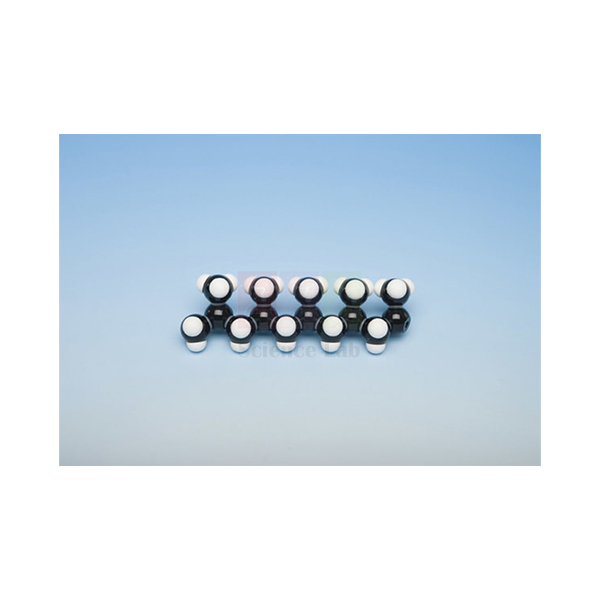
Molecular Model, Polypropylene
Molecular Model, Polypropylene (Product Code: SLE/Mo/39) is a self-assembly model used to show the chain structure of the polymer polypropylene in organic chemistry and materials lessons. It comes with instructions for self-assembly, so students can build the repeating units and see how a long addition polymer grows from small monomer molecules. It is made by Jain Scientific Equipments Pvt Ltd (ScienceLab), an OEM manufacturer, at its own factory in Ambala, India, and carries a molecular model organic chemistry collection forward into the topic of plastics.
Key Details
| Parameter | Detail |
|---|---|
| Structure modelled | Polypropylene (an addition polymer) |
| Model type | Self-assembly molecular model |
| Included | Instructions for self-assembly |
| Product code | SLE/Mo/39 |
| Manufacturer | Jain Scientific Equipments Pvt Ltd (ScienceLab) — OEM |
| Country of origin | India (made in Ambala, Haryana) |
What Is the Polypropylene Molecular Model Used For?
Polypropylene forms when many propene molecules join through their carbon–carbon double bonds, leaving a long saturated carbon backbone with a methyl group on every second carbon. Building the model makes that repeat unit visible, so students can identify the monomer, draw the repeat unit correctly and explain why the finished plastic is chemically unreactive.
With senior classes, the model can open a discussion of how the arrangement of methyl groups along the chain affects how closely neighbouring chains pack, and so influences stiffness and melting behaviour. Linking it to everyday laboratory items made of polypropylene, such as beakers and carboys, helps students connect molecular structure with the materials already on their bench.
OEM Manufacturer
This polymer model is made by ScienceLab, the brand of Jain Scientific Equipments Private Limited, which acts as the OEM and builds it at its own licensed factory at Saha, Ambala, Haryana, India. Schools, colleges and trade buyers purchase it straight from the manufacturer, and the same team answers questions about the assembly instructions or repeat orders. See the ScienceLab company profile for more about the business.
Related Molecular Models
Useful companions for a lesson on hydrocarbons, polymers and plastics:
- Organic Chemistry Molecular Models Kits — for building propene and other small monomers before the polymer.
- Molecular Model Kit, Saturated Fat – Stearic Acid — another long carbon chain to compare with the polymer backbone.
- Beaker, Polypropylene — an everyday lab vessel made from the polymer the model shows.
- Polypropylene Carboys — larger polypropylene containers students may see in the lab store.
Explore more structures in the Molecule category.
Frequently Asked Questions
What comes with the Molecular Model, Polypropylene?
The Molecular Model, Polypropylene comes with instructions for self-assembly, so students can build the polymer chain step by step. The number of atoms and the chain length are not listed here, so ask ScienceLab for the parts list of the current batch before ordering.
Which topics does the polypropylene model support?
The Molecular Model, Polypropylene supports lessons on addition polymerisation, monomers and repeat units, saturated hydrocarbons and the properties and uses of plastics. It suits school chemistry syllabuses as well as introductory college courses on polymers.
Can students assemble the polypropylene model on their own?
Yes, with light guidance. The Molecular Model, Polypropylene includes self-assembly instructions, so older students can build it in small groups. For younger classes, the teacher can first build one repeat unit as a demonstration.
Who manufactures the Molecular Model, Polypropylene?
The Molecular Model, Polypropylene is manufactured by Jain Scientific Equipments Pvt Ltd (ScienceLab), the OEM, at its own licensed factory in Saha, Ambala, Haryana, India. Enquiries and repeat orders go directly to the manufacturer.
How should the polymer model be looked after?
Store the Molecular Model, Polypropylene parts and instructions together in a closed box, away from heat and direct sunlight. Check that every piece is returned after each lesson so the full chain can be rebuilt next time.
What information does a quotation for this model need?
For the Molecular Model, Polypropylene, send the product code SLE/Mo/39, the number of models required, your delivery city and country, and any other models you want quoted from the same range.
Request a Quote
Request pricing for the Molecular Model, Polypropylene through the contact page or place it in the enquiry cart. The quotation is issued directly by ScienceLab as the manufacturer.
Last updated: 24 September 2026