- Physics Lab Equipment
- Chemistry Lab Equipment
- Biology Lab Equipment
- Anatomical Lab Equipment
- Learning
- Educational Lab Equipment
- Magnets
- Agriculture
- Astronomy
- Earth Science
- Geography Lab Equipment
- Safety Lab Coat
- Laboratory
- Meteorological
- Electricity & Magnetism
- Heat
- School Lab Equipment
- Lab Glassware
- Science Lab Equipment
- Tvet Lab Equipment
- Robotics Kits Supplier and Manufacturer for Schools India
- Math Lab Equipment Manufacturers and Exporters in Ambala
- STEM Kits Manufacturers and Supplier India
- Engineering Lab Equipment
- Hospital Lab Equipment
- Water, Sanitation & Hygiene Supplies
- Cold Chain, Solar & Communication Equipment
- Nutrition
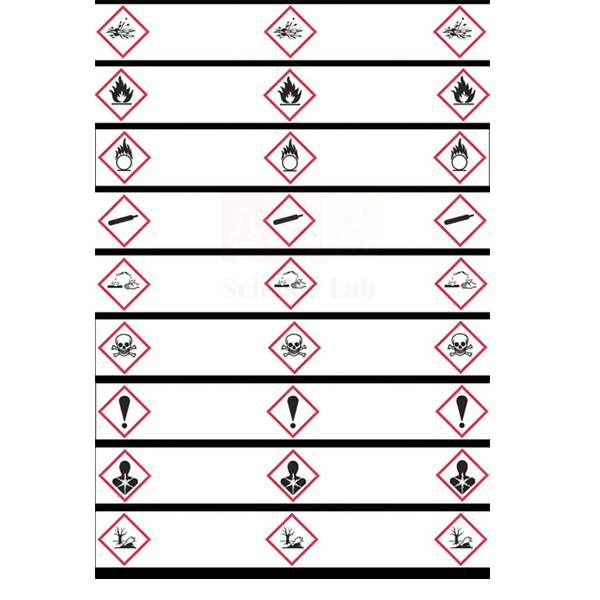
Hazard Warning Tape: Irritant
Hazard Warning Tape: Irritant (Product Code: SLE/CH/243) is a self-adhesive vinyl marking tape printed with the irritant hazard pictogram. It is used to flag shelves, cupboards, bench zones and containers where substances that can irritate the skin, eyes or airways are stored or handled, so that students and staff notice the hazard before they reach for anything. Chemistry teachers, lab technicians and stores staff in schools, colleges and institutional labs use it as a quick, visible warning. It is supplied by Jain Scientific Equipments Pvt Ltd (ScienceLab), Ambala, India, which serves institutions looking for a single lab consumables supplier in India alongside their apparatus orders.
Specifications
| Parameter | Detail |
|---|---|
| Type | Self-adhesive vinyl hazard warning tape |
| Hazard symbol | Irritant pictogram |
| Tape colour | White, printed with the pictogram |
| Width | 25 mm |
| Roll length | 66 m |
| Print pattern | Pictogram repeated every 75 mm, with a blank area between symbols |
| Supplied as | Roll |
Typical Use
In a school or college preparation room the tape is typically run along the front edge of reagent shelves, around the doors of storage cupboards and across the lids of waste or stock containers that hold irritant materials. Because the symbol repeats every 75 mm, even a short strip cut from the roll carries at least one complete pictogram, which makes it practical for small bottles and trays as well as long shelf fronts. The blank space between symbols can take a short handwritten note, such as a shelf reference, where your lab procedure calls for one.
When planning a school lab setup in India, many laboratories colour-code storage by hazard type, and this irritant tape fits that approach next to the corrosive and flammable versions. For good adhesion, apply it to a clean, dry and grease-free surface and press it down firmly along its length; replace any strip that has faded or started to lift. The tape is a visual reminder only — it supplements, and never replaces, the original container labels and safety data sheets supplied with each chemical.
Supplier
This tape comes from Jain Scientific Equipments Private Limited, the Ambala, Haryana company that trades under the ScienceLab name. Safety consumables such as marking tapes are supplied together with the laboratory apparatus the company makes, so a lab can order its warning materials and equipment in one enquiry. You can read more about the company on the ScienceLab company profile.
Related Chemistry Lab Equipment
Labs that mark irritant storage usually need the following items for the same storage and safety set-up:
- Hazard Warning Tape: Corrosive — marks acid and alkali shelves that often sit beside irritant stock.
- Hazard Warning Tape: Flammable — identifies solvent storage in the same preparation room.
- Hazard Warning Tape — general caution marking for benches, floors and restricted areas.
- Hazardous Storage Cabinet Horizontal — a dedicated cabinet whose doors and shelf edges can carry the tape.
- Safety Goggles — eye protection for anyone handling irritant substances.
See the complete Chemistry Lab Equipment range for more storage, safety and bench items.
Frequently Asked Questions
How wide is the tape and how much is on each roll?
The tape is 25 mm wide and each roll holds 66 m, enough to mark a large number of shelf fronts and containers.
How often is the irritant symbol printed?
The pictogram repeats every 75 mm, with a blank area between neighbouring symbols, so short cut pieces still show a full warning.
Which surfaces can it be applied to?
It is a self-adhesive vinyl tape meant for clean, dry, smooth surfaces such as shelf edges, cabinet doors and container sides. On curved, textured or cold surfaces, test a short length first.
Can this tape replace the label on a chemical bottle?
No. It adds a clear visual warning to storage areas and containers, but the original product label and safety data sheet must stay in place.
Can I order it with other hazard tapes?
Yes. Corrosive, flammable, explosive, biohazard and general hazard tapes are listed in the same range and can go into one quotation request.
What should an institutional quotation request include?
Give the number of rolls, any other items you need and the delivery location through our contact page, and we will reply with a quotation.
Do you supply outside India?
Yes. ScienceLab supplies institutions in India and international markets; share your destination when you enquire so shipping can be planned.
Request a Quote
To order Hazard Warning Tape: Irritant, send your roll quantity through the contact page, or add it to the enquiry cart with any other laboratory items you need.
Last updated: 24 September 2026