- Physics Lab Equipment
- Chemistry Lab Equipment
- Biology Lab Equipment
- Anatomical Lab Equipment
- Learning
- Educational Lab Equipment
- Magnets
- Agriculture
- Astronomy
- Earth Science
- Geography Lab Equipment
- Safety Lab Coat
- Laboratory
- Meteorological
- Electricity & Magnetism
- Heat
- School Lab Equipment
- Lab Glassware
- Science Lab Equipment
- Tvet Lab Equipment
- Robotics Kits Supplier and Manufacturer for Schools India
- Math Lab Equipment Manufacturers and Exporters in Ambala
- STEM Kits Manufacturers and Supplier India
- Engineering Lab Equipment
- Hospital Lab Equipment
- Water, Sanitation & Hygiene Supplies
- Cold Chain, Solar & Communication Equipment
- Nutrition
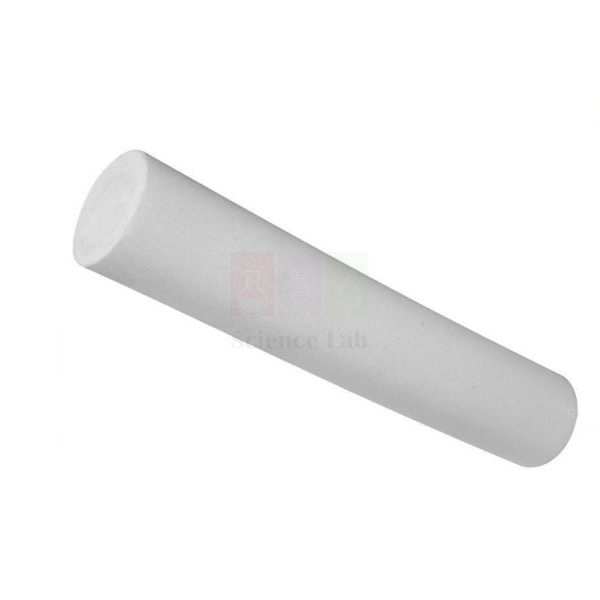
Friction Rod, Nylon
Friction Rod, Nylon (Product Code: SLE/PHY/179) is a synthetic charging rod used to produce static charge by rubbing in school and college electrostatics experiments. The nylon rod is 300 mm long and 13 mm in diameter, a comfortable size for students to hold while charging it and bringing it near an electroscope or pith ball. It is manufactured by Jain Scientific Equipments Pvt Ltd (ScienceLab), an OEM, at its own factory in Ambala, India.
Specifications
| Parameter | Detail |
|---|---|
| Material | Nylon |
| Length | 300 mm |
| Diameter | 13 mm |
| Use | Electrostatics experiments |
| Product code | SLE/PHY/179 |
| Manufacturer | Jain Scientific Equipments Pvt Ltd (ScienceLab) — OEM |
| Country of origin | India (made in Ambala, Haryana) |
What Is the Nylon Friction Rod Used For?
Nylon sits at a different place in the triboelectric series from glass, acrylic and ebonite, so adding a nylon rod to a set lets students test which materials gain or lose electrons when rubbed. Once charged with a cloth it will deflect an electroscope, pick up paper scraps or bend a thin stream of tap water — simple, memorable electrostatics for any physics experiment kit at school.
A smooth, clean surface charges best, so wipe off fingerprints before use and keep the rod dry. Label rods by material in the storage tray so groups can repeat their comparisons in later lessons.
OEM Manufacturer
Jain Scientific Equipments Private Limited, trading as ScienceLab, is the OEM that makes this nylon rod at its own licensed factory in Saha, Ambala, Haryana, and supplies it straight to schools, colleges, dealers and importers. For supplier onboarding, the company's GSTIN is 06AAECJ8618A1ZT and its Legal Entity Identifier (LEI) is 3358004HRD1JIVXKYX49. See our company profile for more.
Related Physics Lab Equipment
Other rods, a rubbing cloth and apparatus that use a charged rod:
- Friction Rod, Perspex — acrylic rod to compare with nylon.
- Friction Rod, Brass/Ebonite — traditional ebonite-based rod for a further comparison.
- Friction Cloth, Cotton — square cotton cloth for rubbing the rod.
- Faraday's Pails — lower the charged rod into a pail for the ice-pail experiment.
Find more in our Physics Lab Equipment category.
Frequently Asked Questions
What size is the Friction Rod, Nylon?
The Friction Rod, Nylon is 300 mm long with a 13 mm diameter, giving students enough length to hold one end comfortably while charging and using the other end in electrostatics experiments.
Why use a nylon friction rod?
The Friction Rod, Nylon adds a synthetic material to a set of charging rods, so students can compare how different materials charge when rubbed. This comparison is central to learning the triboelectric series in electrostatics lessons.
What is the Friction Rod, Nylon rubbed with?
The Friction Rod, Nylon can be rubbed with a dry cloth such as our cotton friction cloth. Trying other fabrics shows students that the amount and sign of charge depend on the pairing of materials.
How should the Friction Rod, Nylon be cared for?
Keep the Friction Rod, Nylon clean and dry, wipe away fingerprints before use and store it away from heat sources. A clean surface charges more readily and gives more consistent results between student groups.
Who manufactures the Friction Rod, Nylon?
Jain Scientific Equipments Pvt Ltd (ScienceLab) manufactures the Friction Rod, Nylon as an OEM at its own factory in Ambala, Haryana, India, and quotations for single rods or class sets come directly from the manufacturer.
Can the Friction Rod, Nylon be ordered in bulk for export?
Yes, the Friction Rod, Nylon can be quoted in class-set quantities for schools, colleges and distributors in India and international markets. Share the number of rods and your delivery location through the contact page for a quotation.
Request a Quote
Request the Friction Rod, Nylon through our contact page, or add it to the enquiry cart alongside other electrostatics items. Quotes come straight from the manufacturer.
Last updated: 24 September 2026