- Physics Lab Equipment
- Chemistry Lab Equipment
- Biology Lab Equipment
- Anatomical Lab Equipment
- Learning
- Educational Lab Equipment
- Magnets
- Agriculture
- Astronomy
- Earth Science
- Geography Lab Equipment
- Safety Lab Coat
- Laboratory
- Meteorological
- Electricity & Magnetism
- Heat
- School Lab Equipment
- Lab Glassware
- Science Lab Equipment
- Tvet Lab Equipment
- Robotics Kits Supplier and Manufacturer for Schools India
- Math Lab Equipment Manufacturers and Exporters in Ambala
- STEM Kits Manufacturers and Supplier India
- Engineering Lab Equipment
- Hospital Lab Equipment
- Water, Sanitation & Hygiene Supplies
- Cold Chain, Solar & Communication Equipment
- Nutrition
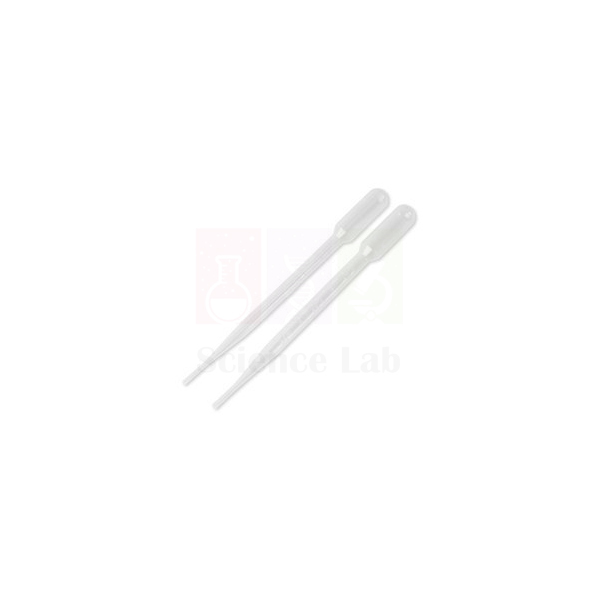
Plastic Microchemistry Pipets
Plastic Microchemistry Pipets (Product Code: SLE/ME/15) are low-density polyethylene pipets used to transfer, drop and hold small volumes of liquid in microscale chemistry practicals. They come in 0.25, 0.5, 0.75 and 1 mL sizes, where the stated capacity includes the bulb, and they can be cleaned and reused, doubling as micro-droppers or tiny reaction vessels. They are supplied by Jain Scientific Equipments Pvt Ltd (ScienceLab), Ambala, India.
Specifications
| Parameter | Detail |
|---|---|
| Material | Low-density polyethylene (LDPE) |
| Sizes | 0.25 mL, 0.5 mL, 0.75 mL and 1 mL |
| Capacity note | Total capacity includes the bulb |
| Reuse | Can be cleaned and reused |
| Uses | Storing and transferring liquids; micro-dropper; reaction vessel |
| Product code | SLE/ME/15 |
| Supplied by | Jain Scientific Equipments Pvt Ltd (ScienceLab), Ambala, India |
What Are Plastic Microchemistry Pipets Used For?
Microscale chemistry scales practicals down to drops instead of test-tube volumes, which cuts chemical use, cost and waste while keeping every student hands-on. These pipets are the basic tool for that approach: students use them to add reagents drop by drop to a spotting surface, count drops in simple titrations, keep a small amount of indicator ready at the bench, or draw two solutions into the bulb to watch a colour change or precipitate form.
As chemistry lab equipment for school classes, they are easy to hand out in sets. Label one pipet per reagent so solutions never mix, squeeze the bulb before dipping the tip rather than after, and rinse each pipet with water and then distilled water straight after the lesson. Polyethylene should not be heated, and some organic solvents can soften it, so reserve the pipets for aqueous work unless compatibility has been checked.
What to Specify When Ordering
- Size or sizes required: 0.25, 0.5, 0.75 or 1 mL.
- Quantity of each size, for example per student or per class set.
- Any dropper bottles or wash bottles to be supplied alongside.
Supplier
Jain Scientific Equipments Private Limited supplies these microchemistry pipets under its ScienceLab name from Ambala, Haryana, to schools, colleges, teacher-training institutes and dealers in India and international markets. They can be combined with reagent bottles, beakers and wash bottles in a single consignment for microscale programmes. Learn more on the ScienceLab profile page.
Related Measuring Equipment
Microscale practical sets often include:
- Transfer Pipette 3ml — a larger plastic pipette for bigger transfers.
- Dropper Bottle, 10 ml — small bottles for holding each reagent at the bench.
- Wash Bottle LDPE with Narrow Mouth — for rinsing the pipets before reuse.
- Plastic Beaker Set of 5 — plastic beakers for stock solutions and rinse water.
Further pipetting items are listed under Measuring.
Frequently Asked Questions
What sizes are Plastic Microchemistry Pipets available in?
Plastic Microchemistry Pipets are listed in 0.25 mL, 0.5 mL, 0.75 mL and 1 mL sizes. Each stated capacity is the total volume including the bulb, not only the stem, so allow for this when planning how much liquid to draw up.
What material are Plastic Microchemistry Pipets made from?
Plastic Microchemistry Pipets are made of low-density polyethylene. This flexible plastic lets the bulb be squeezed easily and does not shatter like glass when dropped, which suits younger students working with small volumes.
Can Plastic Microchemistry Pipets be reused?
Yes. Plastic Microchemistry Pipets can be cleaned and reused. Rinse them several times with water and then distilled water straight after use, dry them tip-down, and keep separate pipets for each reagent to avoid cross-contamination.
How is a Plastic Microchemistry Pipet used as a reaction vessel?
In microscale work, a Plastic Microchemistry Pipet can hold a few drops of two reagents inside its bulb so students can watch colour changes or precipitates form. This uses far smaller amounts of chemicals than test-tube reactions and reduces waste.
Are Plastic Microchemistry Pipets suitable for all chemicals?
Plastic Microchemistry Pipets suit most aqueous solutions used in school chemistry. Low-density polyethylene can soften with some organic solvents and should not be heated, so check compatibility or ask us before using them with solvents or hot liquids.
Who supplies Plastic Microchemistry Pipets?
Jain Scientific Equipments Pvt Ltd (ScienceLab), Ambala, Haryana, India, supplies Plastic Microchemistry Pipets to schools, colleges and dealers in India and international markets. State the sizes and quantities you need through the contact page for a quotation.
Request a Quote
Tell us which sizes and how many pipets you need on the contact page, or add them to the enquiry cart with dropper bottles and beakers for a single quotation.
Last updated: 24 September 2026